

Detox Water Benefits: 7 Healthy Morning Infused Water Ideas (Day by day)
There is something refreshing about beginning the day with a glass of water.
For some people, plain water is enough. For others, adding a few slices of lemon, cucumber, ginger, mint or a few traditional spices makes the morning ritual more enjoyable—and that can make it easier to stay hydrated throughout the day.
This is where detox water has become popular around the world.
You may have seen claims that detox water can “flush toxins,” “clean the liver,” “melt belly fat,” “boost immunity” or prevent several health problems. Some of these claims are much stronger than the available evidence supports.
The truth is actually more practical.
Your body already has sophisticated systems—including the liver, kidneys, digestive tract and lungs—that process and eliminate waste. There is no good evidence that a particular homemade detox drink can magically remove accumulated “toxins” from a healthy person’s body. The NCCIH notes that research on commercial detox and cleansing programs is limited and that there is no compelling evidence that detox diets eliminate toxins or provide lasting weight-management benefits.
But that doesn’t mean infused water is pointless.
A glass of water flavoured with natural ingredients can encourage you to drink more water, replace sugary beverages and start the day with a simple wellness habit. Water itself is essential for normal body function and helps prevent dehydration.
At Vaarso Organic, we like to look at traditional practices through both cultural wisdom and a modern wellness lens. So rather than calling these drinks miracle detox treatments, let’s explore how they can be used sensibly as part of a healthy daily routine.
What Is Detox Water?
Detox water is simply water infused with fruits, vegetables, herbs, seeds or spices.
Common ingredients include:
- Lemon
- Lime
- Cucumber
- Mint
- Ginger
- Turmeric
- Fenugreek seeds
- Cumin seeds
- Carom seeds
- Fennel seeds
- Basil seeds
- Tulsi
- Fresh herbs
The exact combination varies from culture to culture.
In India, infused drinks have a long culinary and traditional wellness history. Similar practices exist in Middle Eastern, Mediterranean, Asian and other food cultures.
The important point is that detox water is not a medical treatment.
Its biggest everyday advantage may simply be that it makes water more interesting.
The CDC specifically recommends water as a healthier alternative to sugary drinks and notes that adding lemon or lime can be an easy way to add flavour.
Why Drink Water First Thing in the Morning?
During sleep, you naturally go several hours without drinking.
Starting the morning with water is therefore a simple way to begin replenishing fluids.
Hydration supports many normal body functions, including:
- Maintaining body temperature
- Lubricating joints
- Supporting normal digestion
- Helping the body remove waste through urine and bowel movements
- Supporting normal physical and mental functioning
The amount of water a person needs varies depending on factors such as age, body size, activity, climate, pregnancy and breastfeeding. There is no single glass-count that is perfect for everyone.
So rather than obsessing over a fixed number, pay attention to your thirst, activity and environment.
7 Morning Detox Water Ideas Inspired by Traditional Wellness
The following seven-day routine is inspired by the ingredients in the original traditional recommendation. Think of it as a hydration and mindful-morning routine, not a seven-day medical detox.
You can repeat your favourite combination instead of changing it every day.
Monday: Ginger, Lemon & Turmeric Water
Start the week with a warm or room-temperature infusion made with: 
- A few thin slices of fresh ginger
- A squeeze of lemon
- A small pinch of turmeric
- Warm water
Ginger has a long history of use in traditional medicine, particularly for digestive discomfort and nausea. Modern research has investigated ginger for several health applications, although evidence varies depending on the condition and the form used.
Turmeric has also been used traditionally in Indian and other Asian health systems for centuries. Its bright yellow colour comes largely from curcuminoids, including curcumin.
Traditional wellness perspective
Ayurvedic food culture has long appreciated warming spices such as ginger and turmeric. Traditionally, these ingredients are often associated with supporting Agni, or digestive fire.
From a modern perspective, however, it is better to view this drink as a flavourful hydration option, rather than a guaranteed immunity booster, fat burner or detox treatment.
Tuesday: Fenugreek Seed Water
Fenugreek, known as methi, is one of the most familiar traditional ingredients in Indian kitchens.
For a simple infusion, some people soak a small amount of fenugreek seeds in water overnight and drink the strained water in the morning. 
Fenugreek is particularly interesting because it has actually been studied in relation to blood glucose.
A 2023 systematic review and meta-analysis of 14 trials involving 894 participants found reductions in some glucose measures with fenugreek, although the researchers noted concerns about study quality and variation between trials. A more recent meta-analysis of randomized trials also reported improvements in fasting glucose, post-meal glucose and HbA1c, while noting that higher-quality research is still needed.
An important caution
If you take diabetes medication, don’t start drinking concentrated fenugreek preparations regularly without discussing it with your healthcare professional.
Fenugreek should be viewed as a traditional food/herbal ingredient with emerging evidence, not as a replacement for diabetes treatment.
Wednesday: Cumin Water
Cumin, or jeera, is another ingredient that has been part of traditional cooking for centuries.
A simple cumin infusion can be made by soaking or gently simmering a small amount of cumin seeds in water and allowing the drink to cool to a comfortable temperature. 
Cumin has a warm, earthy flavour and can be an enjoyable alternative to sweetened morning drinks.
Traditional Indian food culture often pairs cumin with meals because of its distinctive flavour and association with digestion.
However, claims that cumin water “melts belly fat” or automatically causes weight loss are too strong.
If replacing a sugary morning beverage with unsweetened cumin water helps reduce overall calorie and sugar intake, that dietary change may be beneficial.
The cumin water itself should not be presented as a fat-burning medicine.
Thursday: Ajwain Water
Ajwain, also called carom seed, has a distinctive aroma and is widely used in South Asian cooking.
Traditionally, ajwain water is used as a home beverage after heavy meals or when people feel digestive discomfort.
A simple preparation can involve lightly crushing or gently steeping a small amount of ajwain in hot water.
Traditional Ayurvedic perspective 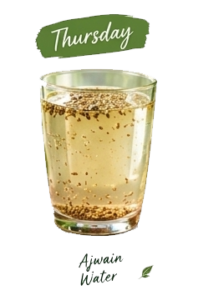
In traditional Ayurvedic practice, aromatic spices are often valued for their relationship with digestion and Agni.
Modern science, however, has not established ajwain water as a cure for gas, bloating or indigestion.
If you regularly experience severe, persistent or unexplained abdominal symptoms, it is better to identify the underlying cause rather than continually treating the symptoms with home remedies.
Friday: Lemon & Cucumber Water
This may be the simplest detox water of the week.
Add: 
- Fresh cucumber slices
- Lemon or lime slices
- Fresh water
- Optional mint leaves
Allow it to infuse for a short period and enjoy it chilled or at room temperature.
There is nothing magical about this combination—and that’s perfectly fine.
Its biggest advantage is flavour.
Some people drink more water when it tastes fresh and interesting. The CDC specifically suggests adding lemon or lime to water as one way to make hydration more appealing.
What about “detoxing”?
Cucumber and lemon water does not literally wash toxins out of your body.
Your kidneys and liver already perform essential waste-processing functions.
Instead, think of this drink as hydrating, refreshing and low in calories when prepared without added sugar.
Saturday: Mint & Basil Seed Water
Mint gives water a refreshing flavour, while basil seeds—known in some Indian traditions as sabja—are commonly used in drinks and desserts.
If using basil seeds, soak them adequately in water so they swell before consuming.
They can add texture and some fiber to the drink.
Mint has a long history of culinary and traditional use, particularly in digestive preparations.
A word about portion size 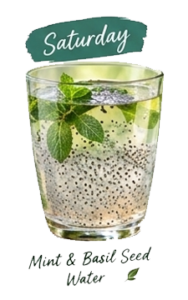
More is not necessarily better.
A large amount of seeds can add substantial fiber and may cause digestive discomfort for some people.
Start with a modest amount and see how your body responds.
Sunday: Fennel Water
Fennel seeds, or saunf, have a long culinary tradition across South Asia, the Middle East and parts of the Mediterranean.
Many people enjoy fennel after meals because of its refreshing, aromatic taste.
For a simple fennel infusion: 
- Lightly crush a small amount of fennel seeds.
- Add them to warm water.
- Allow the flavour to infuse.
- Strain if desired.
- Drink without added sugar.
Fennel water can be a pleasant way to increase fluid intake, but claims that it directly “melts fat” or guarantees weight loss should be avoided.
If weight management is your goal, the bigger factors remain overall food intake, physical activity, sleep and long-term lifestyle habits.
Benefits of Detox Water
When we remove exaggerated detox claims, there are still several genuine reasons these drinks can be useful.
1. Encourages Hydration
This is probably the most practical benefit.
If adding cucumber, lemon, mint or herbs makes you more likely to drink water, that’s a good habit.
Adequate hydration supports normal body function and helps prevent dehydration.
2. Can Replace Sugary Beverages
This is a particularly useful change.
Replacing soda, sweetened tea, sugary coffee or other high-calorie drinks with unsweetened infused water can reduce added sugar and calorie intake.
The CDC recommends choosing water instead of sugary drinks and suggests using fruit or herbs for flavour.
3. Adds Variety to Your Routine
Healthy habits are easier to maintain when they don’t feel boring.
A jug of cucumber-mint water in the refrigerator can make plain hydration more enjoyable.
4. Provides Small Amounts of Plant Compounds
When fresh herbs, spices, fruits or vegetables are infused into water, some flavour compounds and small amounts of soluble components may enter the drink.
However, don’t assume that infused water provides the same nutrition as eating the whole food.
For example, eating a whole lemon provides more nutritional material than simply adding a few slices to water.
5. Creates a Mindful Morning Ritual
This benefit is easy to overlook.
Preparing your morning drink can become a small moment of pause before the day begins.
Ayurveda places considerable emphasis on daily routines, or Dinacharya. While traditional Ayurvedic concepts should not be treated as modern clinical evidence, the broader idea of creating consistent, mindful habits can be useful.
Detox Water and Weight Loss: What Should You Know?
“Detox water for weight loss” is one of the most common searches online.
But drinking a special water mixture does not directly melt body fat.
If detox water helps with weight management, it is usually because it can support better beverage choices.
For example:
Sugary soda → infused water
can mean fewer calories and less added sugar.
That is a meaningful change.
But:
Plain water → lemon water
does not suddenly activate a special fat-burning process.
Sustainable weight management is built around eating patterns, physical activity, sleep and overall energy balance.
The NCCIH notes that evidence supporting detox diets for lasting weight management is weak.
Detox Water and “Toxin Removal”
This is perhaps the most important myth to address.
You will often see statements such as:
“Detox water removes years of toxins.”
There is no good scientific basis for this type of claim.
Your body already has natural systems for handling waste and foreign substances.
The liver plays a central role in metabolism and processing many substances. Your kidneys filter the blood and help eliminate waste through urine. Your digestive system and lungs also play important roles in normal elimination and regulation.
Drinking water supports normal body function, but that doesn’t mean infused water is washing accumulated toxins from your organs.
So at Vaarso Organic, we prefer a more honest message:
Hydrate your body. Nourish it well. Support the natural processes it already has.
Nutrition: What Is Actually in Detox Water?
The nutritional value depends heavily on the ingredients and how much you use.
| Ingredient | Main nutritional/traditional contribution |
|---|---|
| Lemon/Lime | Vitamin C and flavour |
| Cucumber | Water and small amounts of micronutrients |
| Ginger | Aromatic plant compounds |
| Turmeric | Curcuminoids and flavour |
| Fenugreek | Fiber and plant compounds when consumed rather than merely infused |
| Cumin | Aromatic compounds |
| Ajwain | Traditional digestive spice |
| Mint | Fresh flavour and plant compounds |
| Basil seeds | Fiber and texture when consumed |
| Fennel | Aromatic compounds and traditional digestive use |
One important point:
Infused water is not the same as eating the whole ingredient.
If you want fiber, protein, minerals and other nutrients, eat a varied diet containing whole vegetables, fruits, legumes, grains, nuts and seeds.
How to Prepare Detox Water Safely
Making infused water is simple, but hygiene matters.
Step 1: Wash ingredients
Wash fresh fruits, vegetables and herbs thoroughly.
Step 2: Use clean water
Use safe drinking water.
Step 3: Keep it simple
You don’t need ten ingredients in one bottle.
Two or three ingredients are usually enough.
Step 4: Avoid added sugar
If the purpose is to replace sugary beverages, adding sugar defeats much of the advantage.
Step 5: Refrigerate when appropriate
Fresh fruit and herbs should not be left at room temperature for prolonged periods.
Step 6: Make fresh batches
A smaller fresh batch is often better than leaving fruit-infused water around for days.
A Simple Weekly Detox Water Plan
Here’s a practical version of the traditional seven-day idea:
| Day | Infusion | Main purpose |
|---|---|---|
| Monday | Ginger + Lemon + Turmeric | Flavourful morning hydration |
| Tuesday | Fenugreek seed water | Traditional metabolic wellness |
| Wednesday | Cumin water | Traditional digestive drink |
| Thursday | Ajwain water | Traditional digestive routine |
| Friday | Lemon + Cucumber | Refreshing hydration |
| Saturday | Mint + Basil seeds | Refreshing, fiber-containing option |
| Sunday | Fennel water | Traditional after-meal style drink |
You don’t need to follow this schedule rigidly.
If cucumber water is your favourite, drink it every day.
Consistency matters more than variety.
Ayurveda, Veda and the Culture of Morning Rituals
Traditional Indian wellness has never been only about ingredients.
It has also been about routine.
Ayurveda’s concept of Dinacharya describes daily practices intended to support balance and wellbeing. Traditional routines may include waking at an appropriate time, personal hygiene, movement, mindful eating and other practices.
The modern interpretation doesn’t have to be complicated.
Wake up.
Drink some water.
Take a few quiet breaths.
Move your body.
Eat a nourishing breakfast when appropriate.
Begin your work with a clear mind.
This is perhaps the deeper wisdom behind many traditional morning rituals.
The drink is only one small part.
The routine is the real habit.
Who Should Be Careful With Detox Drinks?
Natural ingredients are not automatically suitable for everyone.
People taking medication should be cautious with concentrated herbal preparations because herbs can interact with medicines.
Ginger, for example, can cause heartburn, abdominal discomfort or diarrhea in some people, and NCCIH advises people taking medicines to discuss ginger or other herbal products with a healthcare professional.
Turmeric supplements also deserve caution. Traditional culinary use of turmeric is different from taking concentrated curcumin supplements. Evidence for many health claims remains limited, and some highly bioavailable curcumin products have been associated with liver injury.
People who are pregnant, have kidney or liver disease, have diabetes, take blood-thinning medicines or take several prescription medications should seek professional advice before using concentrated herbal preparations regularly.
And if you have persistent digestive symptoms, unexplained weight loss, severe abdominal pain, jaundice, repeated vomiting or other concerning symptoms, don’t rely on detox water—get appropriate medical evaluation.
What to Avoid in a “Detox” Routine
Avoid extreme approaches such as:
- Drinking only detox water all day
- Skipping nutritious meals
- Taking large amounts of herbs
- Using laxatives for “cleansing”
- Following juice-only diets for prolonged periods
- Adding excessive sugar or honey
- Taking multiple herbal supplements together
- Believing detox water can cure chronic diseases
The NCCIH warns that some detox and cleansing programs can be unsafe and that evidence supporting their claimed benefits is limited.
A healthy routine should leave you nourished and energetic—not weak, hungry or dehydrated.
Final Thoughts: Keep the Water, Lose the Miracle Claims
The idea of starting the morning with detox water sounds attractive because it promises something extraordinary from something very simple.
But perhaps we don’t need extraordinary.
A glass of lemon-cucumber water can simply be a refreshing way to drink more water.
Ginger water can be a warming morning ritual.
Fennel water can remind us of traditional food culture.
Fenugreek can be an interesting ingredient that continues to be studied for metabolic health.
And a seven-day routine can become a gentle reminder to slow down and take care of ourselves.
The real “detox” isn’t about flushing mysterious toxins from the body.
It is about reducing unhealthy habits and replacing them with better ones.
- Drink more water.
- Choose fewer sugary drinks.
- Eat more whole foods.
- Move regularly.
- Sleep well.
- Manage stress.
- Enjoy traditional ingredients as part of a varied diet.
That is the kind of natural wellness approach that makes sense for modern life—and it fits beautifully with the philosophy of Vaarso Organic: Better Lives through mindful, natural choices.
Frequently Asked Questions About Detox Water
1. What is detox water?
Detox water is water infused with fruits, vegetables, herbs, seeds or spices. It is mainly a flavourful way to increase water intake.
2. Does detox water really remove toxins?
There is no strong evidence that homemade detox water removes accumulated toxins from the body. Your liver, kidneys and other organs already perform important waste-processing functions.
3. What is the best detox water for mornings?
There is no single “best” recipe. Lemon-cucumber, ginger-lemon, mint or fennel water can all be simple options. Choose something you enjoy and can drink safely.
4. Can detox water help with weight loss?
It may help indirectly if it replaces sugary, high-calorie drinks. However, detox water does not directly melt body fat or guarantee weight loss.
5. Can I drink detox water every day?
For most healthy adults, plain or naturally infused water can be part of daily hydration. There is no need to use strong herbal mixtures every day.
6. Can I add honey to detox water?
You can, but honey is still an added sugar. If your goal is to replace sugary drinks or manage blood glucose, unsweetened water is usually the simpler choice.
7. Is lemon water good for digestion?
Some people find warm lemon water pleasant and refreshing, but lemon water should not be promoted as a guaranteed treatment for digestive disorders.
8. Can ginger water help digestion?
Ginger has traditionally been used for digestive discomfort and nausea, and some research supports particular uses. However, evidence varies by condition and preparation.
9. Can fenugreek water lower blood sugar?
Fenugreek has been studied for blood glucose management, and several meta-analyses have reported potential improvements in glucose measures. However, the evidence is not a reason to replace diabetes medication.
10. Can cumin water burn belly fat?
There is no good evidence that cumin water directly burns belly fat. Weight management depends on the overall diet, activity and lifestyle pattern.
11. Can I drink detox water instead of breakfast?
It is generally not a good idea to replace nutritious meals with water-only “detox” routines. Your body needs adequate energy, protein, vitamins, minerals and other nutrients.
12. How long can infused water be stored?
For food safety, keep fresh fruit- or herb-infused water refrigerated and prepare fresh batches regularly rather than leaving it at room temperature for long periods.
13. Can children drink detox water?
Simple fruit- or herb-infused water may be fine for many children, but strong herbal preparations should not automatically be given to children without appropriate professional guidance.
14. Is detox water part of Ayurveda?
Ayurvedic traditions include many forms of herbal drinks and infused preparations, but modern “detox water” is not a single standardized Ayurvedic treatment. Traditional concepts should be distinguished from modern medical evidence.