
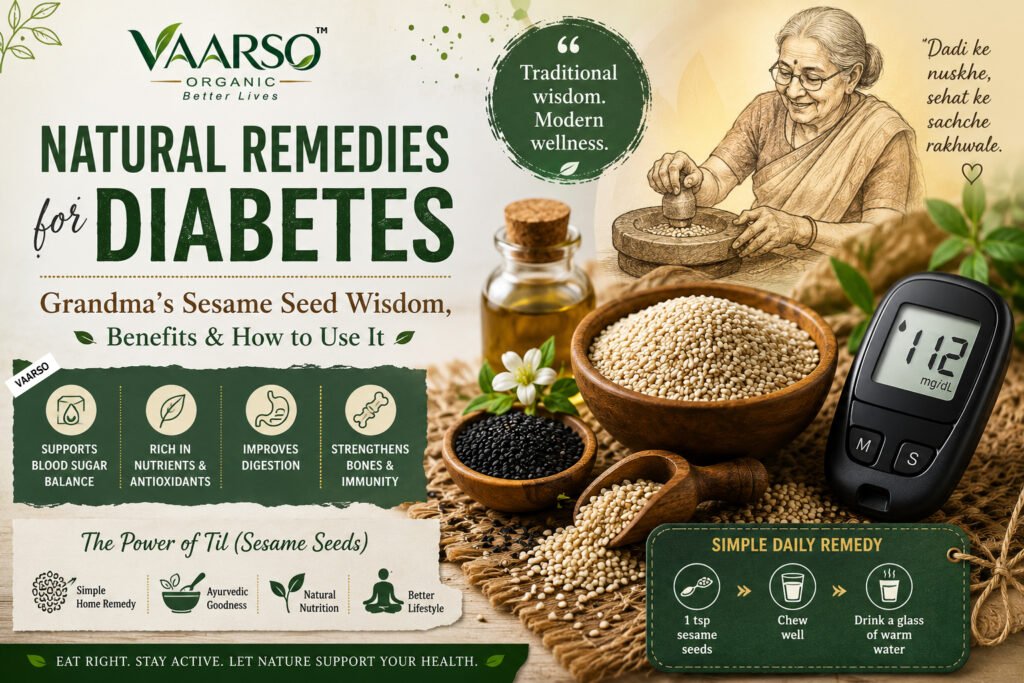
Natural Remedies for Diabetes – Sesame Seeds (Till) & Ayurvedic Wellness
There are some health lessons that seem to travel through generations without ever needing a textbook.
A grandmother may not have talked about glycemic indexes, insulin sensitivity or metabolic health. She might simply have said, “Eat a little til. Keep your food simple. Walk after meals. Don’t eat too much sweet food.”
In many Indian homes, sesame seeds—known as til—have been part of everyday cooking for generations. They appear in chutneys, laddoos, breads, snacks and festive foods. Ayurveda and traditional Indian food culture have also given sesame an important place as a nourishing ingredient.
Today, people are once again looking for natural remedies for diabetes, traditional foods and practical ways to support healthy blood sugar.
But there is an important distinction we should make.
Sesame seeds are a nutritious food, not a cure for diabetes. They may have a useful place in a balanced diet, and research has found promising effects of sesame and sesame products on some blood-glucose measures. However, sesame should not replace prescribed diabetes medicines, glucose monitoring or professional medical care.
At Vaarso Organic, we believe traditional wisdom becomes even more valuable when we understand it carefully—respecting Ayurveda and cultural food practices while also looking at what modern nutrition and research tell us.
So, let’s take a closer look at Grandma’s sesame remedy, its benefits, nutrition, traditional uses and the sensible way to include it in everyday life.
What Are Natural Remedies for Diabetes?
The phrase natural remedies for diabetes is often used to describe foods, herbs, lifestyle practices and traditional approaches believed to support healthy blood sugar.
But “natural” does not automatically mean “proven” or “safe for everyone.”
Type 2 diabetes is a metabolic condition in which the body does not use insulin effectively and/or cannot produce enough insulin to maintain normal blood glucose. Managing it usually involves a combination of nutrition, physical activity, weight management where appropriate, sleep, stress management, glucose monitoring and medication when prescribed.
This is why it is better to think about natural remedies as supportive lifestyle choices, rather than replacements for diabetes treatment.
And this is where sesame seeds become interesting.
Why Did Grandma Recommend Sesame Seeds?
Traditional kitchens often valued ingredients that were: 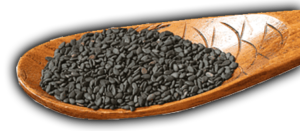
- Nutrient-dense
- Affordable
- Easy to store
- Versatile
- Suitable for everyday cooking
Sesame fits all five.
The tiny seeds contain plant protein, dietary fiber, healthy fats and several minerals, including magnesium, calcium, iron, zinc and copper.
In traditional Indian culture, sesame has also been associated with nourishment and strength. Ayurveda gives sesame (Tila) an established place in traditional dietary and wellness practices.
There is something quite sensible about this traditional approach.
Instead of searching for one extraordinary ingredient, traditional food culture often focused on regular nourishment and balance.
That philosophy still makes sense today.
Sesame Seeds and Blood Sugar: What Does Research Say?
This is the question many people want answered.
A systematic review and meta-analysis published in Phytotherapy Research examined controlled clinical trials involving sesame seeds and sesame products. The researchers reported significant reductions in fasting blood glucose and HbA1c in the included studies, although sesame did not significantly improve measures of insulin resistance. The studies also varied in the sesame products used and intervention periods.
That sounds encouraging—but it needs to be interpreted carefully.
It does not mean:
“Eat one spoon of sesame and diabetes will disappear.”
It means sesame consumption has shown potentially beneficial effects on certain glucose measurements in clinical research, while more research is needed to understand exactly how much, in what form and for whom it may be useful.
This is an important difference.
The best approach is therefore to include sesame as part of an overall eating pattern rather than treating it as a stand-alone diabetes remedy.
Nutritional Benefits of Sesame Seeds
One reason sesame is so interesting is its nutritional density.
1. Dietary Fiber
Whole sesame seeds provide dietary fiber. Fiber can contribute to digestive health and help make meals more satisfying.
For someone trying to build a healthier eating pattern, adding seeds to vegetables, whole grains or other nutrient-rich foods can be a simple improvement.
2. Healthy Fats
Sesame contains predominantly unsaturated fats.
Healthy fats are an important part of balanced nutrition, although sesame is energy-dense, so portion size still matters.
3. Magnesium
Sesame provides magnesium, a mineral involved in numerous processes throughout the body, including normal energy metabolism and glucose-related functions.
Magnesium-rich foods include seeds, nuts, legumes, whole grains and leafy greens.
4. Calcium
Sesame is particularly notable for its calcium content.
Calcium contributes to normal bone and teeth health, making sesame a useful addition to a varied diet.
5. Plant Protein
Sesame contributes plant-based protein and can complement other protein sources such as lentils, beans, dairy, eggs, tofu and other seeds.
6. Plant Compounds
Sesame contains naturally occurring compounds such as lignans and other antioxidant compounds that have attracted scientific interest.
The important point is that sesame is valuable as a whole food, not because it should be viewed as a miracle ingredient.
Benefits of Sesame Seeds for Overall Wellness
While blood sugar is the focus of this article, sesame offers much more than one potential metabolic benefit.
Supports a Nutrient-Rich Diet
A teaspoon or tablespoon of sesame can add flavour, texture, minerals, protein and healthy fats to an otherwise simple meal.
Supports Digestive Health
The fiber in whole sesame can contribute to overall fiber intake. However, suddenly eating large amounts of seeds may cause digestive discomfort in some people.
Supports Bone Nutrition
Sesame contributes calcium and other minerals important for normal skeletal health.
Adds Healthy Fats
Replacing less nutritious toppings or highly processed ingredients with seeds can be a practical dietary improvement.
Makes Healthy Food More Enjoyable
This may sound simple, but it matters.
A healthy diet is much easier to maintain when the food tastes good.
Sesame’s nutty flavour works beautifully with vegetables, salads, whole grains, yogurt, legumes and homemade chutneys.
Grandma’s Traditional Sesame Remedy
The traditional suggestion shared in many Indian households is simple.
Ingredients
- 1 teaspoon sesame seeds
- 1 glass warm water
Traditional method
In some families, sesame seeds are eaten in the morning, sometimes before breakfast, followed by warm water.
White or black sesame may be used.
The seeds can also be lightly roasted for flavour.
Does it have to be taken on an empty stomach?
Not necessarily.
There is not enough evidence to say that eating sesame on an empty stomach provides a special blood-sugar benefit.
If eating sesame before breakfast feels comfortable, it can be part of your routine. If it doesn’t suit your digestion, adding it to a meal is perfectly reasonable.
The important thing is the overall dietary pattern—not the clock.
How to Use Sesame Seeds in Your Daily Diet
You don’t need to make your diet complicated.
Here are some practical ideas.
Sesame on Vegetables
Sprinkle a teaspoon of roasted sesame over cooked or steamed vegetables.
Sesame Salad Topping
Add sesame to cucumber, tomato, leafy greens and other vegetables.
Sesame Chutney
Prepare a traditional sesame chutney using sesame, herbs, spices and suitable ingredients without loading it with added sugar.
Sesame With Whole Grains
Add sesame to homemade whole-grain flatbreads or breads.
Sesame With Yogurt
A small amount of sesame can add crunch to plain unsweetened yogurt with vegetables and herbs.
Tahini
Tahini is a sesame paste commonly used in Middle Eastern cuisine. It can be incorporated into hummus or used to make a simple dressing.
Sesame Breakfast Bowl
Try plain yogurt or an unsweetened plant-based alternative with seeds, nuts and a suitable portion of whole fruit.
The idea is simple:
Use sesame to improve the nutritional quality of a meal—not to turn it into a “diabetes cure.”
What About Sesame and Jaggery?
This is where traditional wisdom needs a little modern nutritional perspective.
Sesame and jaggery are a classic combination.
Sesame-jaggery laddoos are delicious, culturally important and nutritionally interesting.
But jaggery is still a source of sugar.
So if you have diabetes, eating large quantities of sesame-jaggery sweets because they are “natural” is not a sensible blood-sugar strategy.
You can still enjoy traditional sweets occasionally, but keep portions modest and consider the total carbohydrate content of the meal.
The same principle applies to:
- Sesame chikki
- Sesame laddoos
- Til sweets
- Sweet sesame bars
The presence of sesame does not cancel out the added sugar.
What About Sesame Oil?
Sesame oil has an important place in traditional cooking and Ayurvedic practices.
It can be used as a cooking oil and provides unsaturated fats.
However, the traditional practice of drinking a spoonful of sesame oil specifically to control diabetes should not be presented as a proven treatment.
Whole sesame seeds contain fiber, protein and minerals that are not present in the same way in a spoonful of oil.
Some research has investigated sesame oil and metabolic markers, but the evidence is not sufficient to treat sesame oil as a diabetes medicine.
For everyday nutrition, use oils sensibly and focus on the entire diet.
Sesame and Ayurveda: What Does Traditional Wisdom Tell Us?
Ayurveda looks at food differently from the way modern nutrition labels an ingredient.
It considers food in relation to the individual, digestion, season, lifestyle and overall balance.
Sesame has traditionally been valued as a nourishing food and sesame oil has long been used in Ayurvedic practices such as traditional oil massage.
The Ayurvedic concept of Agni, often translated as digestive fire, also reminds us of something relevant to modern wellness:
Digestion and daily habits matter.
Traditional Indian food culture rarely existed around one isolated ingredient. Meals were combinations of grains, pulses, vegetables, spices, seeds and other foods.
That is perhaps the most useful lesson for modern readers.
We can appreciate Ayurveda as a traditional wellness system while avoiding the claim that a particular food can cure a modern medical condition.
Natural Ways to Support Healthy Blood Sugar
If you’re interested in natural remedies for diabetes, don’t stop at sesame.
Look at your whole routine.
1. Choose More Whole Foods
Vegetables, legumes, whole grains, nuts, seeds, appropriate protein sources and whole fruits can form the foundation of a nutritious diet.
The American Diabetes Association emphasizes non-starchy vegetables, quality carbohydrates, lean or plant-based protein, healthy fats and less added sugar and highly processed food.
2. Reduce Sugary Drinks
Sweetened beverages can add significant amounts of rapidly available sugar without providing much satiety.
Choose water or unsweetened beverages more often.
3. Watch Portion Sizes
Even nutritious foods can contribute excess calories when portions become too large.
Sesame, nuts, seeds and oils are good examples.
4. Stay Physically Active
Walking, cycling, swimming, strength exercises, yoga and other suitable activities can support overall metabolic health.
5. Sleep Well
Sleep is an often-overlooked part of metabolic health.
6. Manage Stress
Meditation, breathing exercises, yoga, time outdoors and other relaxing activities may help create a healthier daily routine.
7. Follow Your Diabetes Care Plan
Natural foods work best alongside appropriate diabetes care, not instead of it.
What About Other Ayurvedic or Herbal Diabetes Remedies?
This is an area where caution is especially important.
Many herbs and traditional ingredients are promoted online as natural diabetes cures.
Some have been studied, but the quality of evidence varies considerably.
The National Center for Complementary and Integrative Health notes that there is currently not enough reliable evidence to conclude that dietary supplements can generally manage or prevent type 2 diabetes. Some supplements may also interact with medicines or cause other health problems.
So, whether it is sesame, cinnamon, bitter melon, fenugreek or another traditional ingredient, “natural” should never be confused with “guaranteed.”
If you take diabetes medication, speak with your healthcare professional before starting concentrated herbal products or supplements.
Who Should Be Careful With Sesame?
Sesame is a common food, but it is also a recognized food allergen.
Anyone with a sesame allergy should avoid sesame and sesame-containing products.
People with diabetes who have kidney disease, take multiple medicines, are pregnant, or have other significant health conditions should be especially cautious about using concentrated supplements or herbal preparations.
And one rule should always remain clear:
Do not stop diabetes medication and replace it with sesame seeds or another home remedy.
Unproven products marketed as “natural diabetes cures” can be dangerous when they are used instead of effective treatment.
A Better Way to Think About Grandma’s Advice
Maybe Grandma wasn’t really saying that sesame was a medicine.
Perhaps she was saying something much simpler:
Eat nourishing food regularly. Don’t overdo sweets. Use traditional ingredients. Keep moving. Live according to a balanced routine.
That message still holds value.
Modern nutrition has given us new language for many of these ideas, but the basic principle remains familiar:
Small, consistent habits can matter more than dramatic health promises.
That’s the approach we believe is worth carrying forward at Vaarso Organic.
A Simple Daily Sesame Routine
If sesame suits your diet, you could make it part of your everyday meals in simple ways. 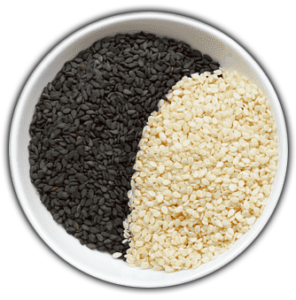
Morning:
Add a teaspoon of sesame to a balanced breakfast.
Lunch:
Sprinkle sesame over vegetables or salad.
Evening:
Use tahini or sesame chutney with a nutritious meal.
Occasionally:
Enjoy a traditional sesame sweet in a sensible portion.
You don’t need to eat sesame three times a day.
You don’t need to drink sesame oil.
And you don’t need to believe that one ingredient will magically change your blood sugar.
Consistency is more useful than exaggeration.
Final Thoughts
The search for natural remedies for diabetes often begins with a desire to find something simple.
Sesame seeds offer a good example of why we should look beyond miracle claims.
They are naturally nutritious, culturally important and versatile. Research has found promising effects of sesame and sesame products on fasting blood glucose and HbA1c, although evidence is not strong enough to consider sesame a diabetes treatment.
The best place for sesame is therefore not on a pedestal as a miracle cure.
It belongs on your plate.
Use it with vegetables, whole grains, legumes, yogurt, salads and other nourishing foods. Keep added sugars under control. Stay active. Sleep well. Manage stress. And continue the diabetes treatment recommended for you.
Perhaps that’s the real connection between Grandma’s wisdom, Ayurveda and modern nutrition:
Good health is not usually about one magical ingredient. It is about thousands of ordinary choices made consistently.
And sometimes, those choices can begin with something as small as a teaspoon of til.
At Vaarso Organic, we love bringing traditional food wisdom together with a thoughtful, modern approach to wellness.
Frequently Asked Questions
1. Can sesame seeds cure diabetes?
No. Sesame seeds cannot cure diabetes. Some research suggests sesame and sesame products may have favourable effects on blood glucose measures, but they should be considered a nutritious food rather than a replacement for diabetes treatment.
2. Are sesame seeds good for people with diabetes?
Sesame can fit into a balanced diet for many people with diabetes. It provides fiber, protein, healthy fats and minerals. Portion size is important because sesame is also calorie-dense.
3. How much sesame should I eat for blood sugar support?
There is no scientifically established daily dose of sesame specifically for treating diabetes. A small serving, such as around one teaspoon to one tablespoon, can be a practical dietary amount depending on your overall diet and individual nutritional needs.
4. Should I eat sesame seeds on an empty stomach?
You can if they suit you, but there is no strong evidence that taking sesame on an empty stomach produces a special diabetes benefit.
5. Are black sesame seeds better than white sesame seeds?
Both black and white sesame provide valuable nutrients. There isn’t sufficient evidence to call one a diabetes treatment or say that one variety is universally better for blood sugar.
6. Can I eat sesame with jaggery if I have diabetes?
You can occasionally enjoy traditional sesame-jaggery foods in a sensible portion, but remember that jaggery is still a source of sugar. Sesame does not cancel out the effect of added sugar.
7. Can sesame laddoos control blood sugar?
No. Sesame laddoos should not be considered a diabetes remedy. Their effect on blood glucose depends on the entire recipe, especially the amount of jaggery or sugar used.
8. Can sesame oil lower blood sugar?
Some research has investigated sesame oil and metabolic health, but the evidence is not sufficient to recommend drinking sesame oil as a diabetes treatment.
9. Can sesame replace diabetes medicine?
Absolutely not. Never stop or change prescribed diabetes medication without speaking with your healthcare professional. Natural foods should complement appropriate diabetes care.
10. Does sesame contain magnesium?
Yes. Sesame seeds are a useful dietary source of magnesium, along with other minerals such as calcium, iron, zinc and copper.
11. Is sesame good for digestion?
Whole sesame contains dietary fiber and can contribute to a fiber-rich diet. However, eating too much at once may cause digestive discomfort in some people.
12. Is sesame part of Ayurveda?
Yes. Sesame (Tila) and sesame oil have longstanding traditional uses in Ayurveda and Indian wellness practices. These traditional uses should be distinguished from modern clinical claims about treating diabetes.
13. What are the best natural remedies for diabetes?
There is no single natural remedy that works for everyone. A balanced diet, regular physical activity, appropriate sleep, stress management and following an individualized diabetes-care plan are more reliable foundations. Evidence for many herbal supplements remains limited.
14. Can people with diabetes eat seeds?
Many seeds, including sesame, chia, flax and pumpkin seeds, can fit into a balanced eating pattern. Choose appropriate portions and consider your overall carbohydrate, calorie and fat intake.
15. Is this sesame remedy suitable for everyone?
No. People with sesame allergy should avoid it. Anyone taking diabetes medicines or dealing with kidney disease, pregnancy or other significant health conditions should discuss major dietary or supplement changes with a healthcare professional.