
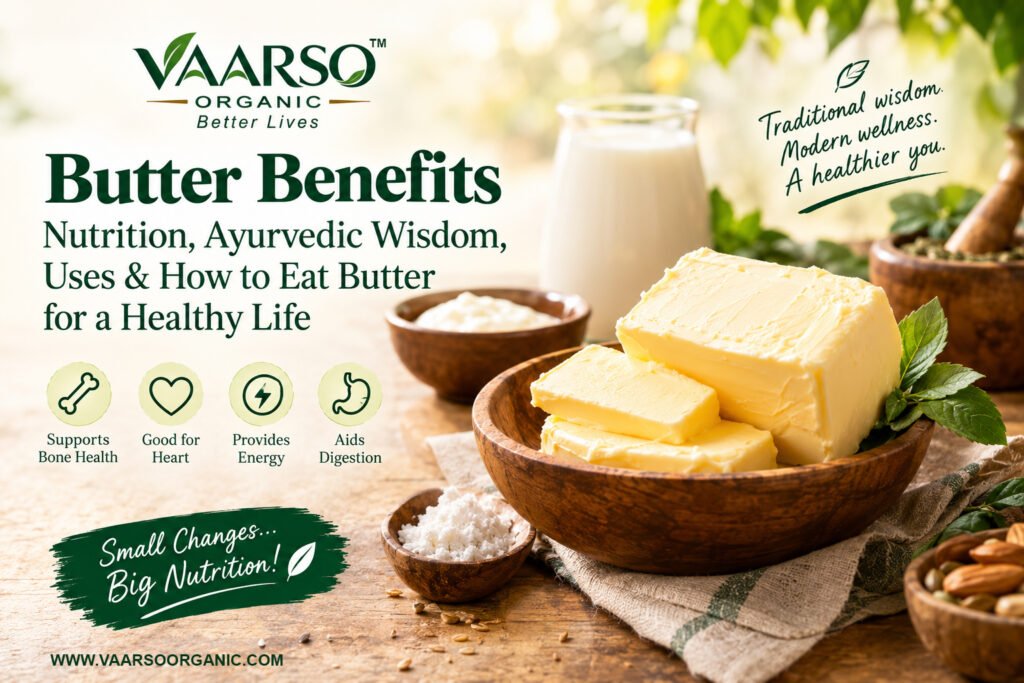
Butter Benefits and Ayurveda – Nutrition, Uses & Healthy Lifestyle
Butter has been part of traditional diets and food cultures for generations. From a simple spread on warm bread to an ingredient in traditional recipes, butter adds richness, flavor and energy to everyday meals.
But what are the actual butter benefits? Is butter healthy? What does Ayurveda say about eating butter? And how much butter can reasonably be included in a balanced diet?
The answers are more nuanced than the popular idea that butter is either a “superfood” or something that should always be avoided.
Butter is primarily a concentrated source of milk fat. It provides energy and small amounts of nutrients such as vitamin A, while also containing a relatively high proportion of saturated fat. Therefore, its place in a healthy lifestyle depends largely on portion size, overall dietary pattern and individual nutritional needs.
Ayurveda also provides an interesting traditional perspective on dairy fats, digestion, food quality and moderation. However, it is important to distinguish traditional Ayurvedic concepts from modern clinical evidence.
In this article, we explore the major Butter Benefits, its nutrition, traditional Ayurvedic perspective, practical uses, butter versus ghee, and simple ways to enjoy butter as part of a balanced lifestyle.
What Is Butter?
Butter is a dairy product traditionally made by churning cream until the fat separates from the liquid portion.
The resulting butter contains mostly milk fat along with small amounts of water and milk solids. Its exact nutritional composition can vary depending on whether it is salted or unsalted and how it is produced.
Butter is energy-dense, which means even a small quantity can contribute a significant amount of calories.
This is one reason butter can be useful in meals when used thoughtfully—but excessive consumption can make it easy to increase total calorie and saturated-fat intake.
Butter Benefits: What Does Butter Offer?
When consumed in reasonable amounts, butter can have a place in a varied diet.
Here are some of the potential Butter Benefits worth understanding.
1. Provides Concentrated Energy
One of the most obvious benefits of butter is its energy content.
Because butter is primarily fat, it provides substantially more calories per gram than carbohydrates or protein.
Adding a small amount of butter to a meal can therefore increase its energy density and make food more satisfying.
For people with higher energy requirements, this can sometimes be useful. However, people trying to reduce calorie intake should remember that butter can add calories quickly.
2. Contains Vitamin A
Butter naturally contains vitamin A, although the amount varies according to the product and production methods.
Vitamin A plays several important roles in the body, including supporting:
- Normal vision
- Immune function
- Skin and tissue maintenance
- Normal growth and development
However, butter should not be considered a primary source of vitamin A. A diverse diet containing vegetables, fruits, eggs, dairy products and other nutrient-rich foods provides a broader range of vitamins and minerals.
3. Helps Add Flavor to Nutritious Foods
Healthy eating does not have to mean eating bland food.
A small amount of butter can add richness and flavor to vegetables, whole grains, potatoes, legumes and other foods.
This can make nutritious meals more enjoyable and sustainable.
For example, lightly finishing steamed vegetables with a small amount of butter may make them more appealing than eating them completely plain.
The important point is how much butter is used, not simply whether butter is present.
4. Provides Dietary Fat
Dietary fat is an essential part of human nutrition.
Fat contributes to:
- Energy production
- Cell structure
- Absorption of fat-soluble vitamins
- Hormone-related biological processes
- Flavor and texture of foods
However, different types of dietary fat have different effects on health.
Butter contains a significant amount of saturated fat. Therefore, it should not necessarily be the primary fat source in the diet.
Unsaturated fats from foods such as nuts, seeds, avocados and plant oils can play an important role in a heart-conscious eating pattern.
5. Can Be Part of a Balanced Diet
One of the most practical Butter Benefits is that you do not necessarily have to completely eliminate butter to eat healthily.
Healthy eating is about the overall pattern of your diet.
A diet containing vegetables, fruits, legumes, whole grains, nuts, seeds and appropriate protein sources can occasionally include butter without automatically becoming unhealthy.
The key is moderation.
A small amount used for taste is very different from consuming large amounts of butter every day.
Butter and Ayurveda: A Traditional Perspective
Ayurveda has a long history of discussing food according to qualities, digestion, constitution and individual suitability.
However, an important distinction should be made:
Classical Ayurvedic literature gives particularly extensive attention to ghrita (ghee), rather than treating ordinary butter and ghee as exactly the same substance.
Butter and ghee are related, but they are not identical.
Ayurvedic food philosophy commonly considers qualities such as:
- Guru – heavy
- Snigdha – unctuous/oily
- Madhura – sweet
- Agni – digestive capacity
- Ahara – food and nourishment
From a traditional perspective, rich and unctuous foods may be suitable in appropriate quantities depending on the individual, season, digestive capacity and overall diet.
This is one reason traditional dietary wisdom often emphasizes individual suitability rather than one food being universally good for everyone.
Butter in Indian Food Culture
Butter is not simply a nutritional ingredient.
It also carries cultural meaning. 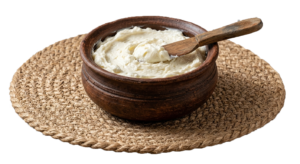
Traditional dairy foods have been associated with hospitality, celebrations, family meals and regional cuisines across India and many other parts of the world.
The image of Makhan is particularly familiar in Indian cultural and devotional traditions associated with Krishna. 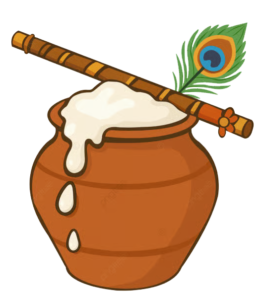
These traditions help explain why butter has such a strong emotional and cultural connection with food.
But cultural importance should not be confused with unlimited nutritional consumption.
Traditional diets generally involved different activity levels, food patterns and portion sizes than many modern lifestyles.
Butter Nutrition: What Is Inside Butter?
Butter is predominantly fat.
A typical serving provides:
- Fat
- Saturated fat
- Small amounts of protein
- Small amounts of carbohydrates
- Vitamin A
- Energy
The exact nutritional values depend on the product.
Why does saturated fat matter?
Saturated fat can raise LDL cholesterol in many people.
For individuals with elevated LDL cholesterol or cardiovascular risk factors, replacing some saturated fat with unsaturated fats may be a healthier approach.
This does not mean that eating a small amount of butter automatically causes heart disease.
Rather, it means butter should be considered within the context of the overall dietary fat pattern.
Butter Benefits vs. Possible Concerns
It is useful to look at both sides.
| Potential Benefits | Considerations |
|---|---|
| Provides energy | Calorie-dense |
| Contains vitamin A | Not a major nutrient source |
| Adds flavor | Easy to overconsume |
| Provides dietary fat | High in saturated fat |
| Versatile ingredient | May not suit every dietary pattern |
| Traditional food | Portion size matters |
This balanced view is more useful than calling butter either completely healthy or completely unhealthy.
Butter vs Ghee: Are They the Same?
Butter and ghee are often discussed together, but they are different foods. 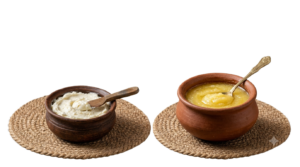
Butter contains milk fat along with water and milk solids.
Ghee is produced by heating butter and removing much of the water and milk solids, leaving clarified milk fat.
Ayurvedic literature has a much more developed traditional discussion of ghrita than ordinary table butter.
Therefore, claims traditionally associated with ghee should not automatically be transferred to butter.
This distinction is particularly important when discussing Ayurveda and nutrition.
Is Butter Good for Digestion?
There is no simple answer that applies to everyone.
Some people tolerate butter comfortably, while others may experience digestive discomfort after eating high-fat foods.
From an Ayurvedic perspective, digestion—or Agni—is an important consideration when discussing rich and unctuous foods.
Modern nutrition similarly recognizes that high-fat meals can affect digestion differently from person to person.
If butter consistently causes:
- Bloating
- Loose stools
- Nausea
- Abdominal discomfort
it may be sensible to reduce the quantity and discuss persistent symptoms with a healthcare professional.
Can Butter Help With Weight Gain?
Because butter is energy-dense, it can increase calorie intake.
For someone who genuinely needs additional calories, adding a small amount of butter to an otherwise nutritious meal may contribute to increased energy intake.
But butter should not be considered a special weight-gain treatment.
Healthy weight gain is better supported through an overall nutritious eating pattern containing adequate:
- Protein
- Whole grains
- Legumes
- Nuts and seeds
- Fruits and vegetables
- Healthy fats
- Total calories
Is Butter Good for Weight Loss?
Butter is not a fat-burning food.
Because it contains concentrated calories, large amounts can make it harder to maintain a calorie deficit.
If your goal is weight management, focus on:
- Portion control
- High-fiber foods
- Adequate protein
- Vegetables and fruits
- Regular physical activity
- Good sleep
- Overall calorie balance
A small amount of butter can still fit into some weight-management diets, but it should be treated as a flavoring or dietary fat rather than a weight-loss ingredient.
Butter and Heart Health
Heart health is one area where moderation becomes particularly important.
Butter contains considerable saturated fat. For people who have high LDL cholesterol or cardiovascular risk, replacing some butter with foods rich in unsaturated fats may be beneficial.
Examples include:
- Nuts
- Seeds
- Avocado
- Olive oil
- Other unsaturated plant oils
This does not mean you must never eat butter.
Instead, think about what butter is replacing in your diet.
Replacing butter with an unsaturated fat can have different nutritional implications than simply adding butter on top of an already calorie-dense diet.
Healthy Ways to Use Butter
The easiest way to enjoy the Butter Benefits while keeping portions sensible is to use butter strategically.
1. Spread It Lightly
A small amount of butter on whole-grain bread or toast can add flavor without making it the dominant ingredient.
2. Finish Cooked Vegetables
A small amount of butter can be added to cooked vegetables for flavor.
Try it with:
- Carrots
- Green beans
- Peas
- Broccoli
- Sweet potatoes
3. Add to Whole Grains
A modest amount can be used with foods such as:
- Oats
- Brown rice
- Whole-grain breads
- Millet
- Traditional grain preparations
4. Use in Traditional Recipes
Butter can be part of traditional recipes and festive foods.
The key is to enjoy these foods occasionally and mindfully rather than assuming that traditional automatically means unlimited.
5. Combine With Nutrient-Rich Foods
Rather than eating butter alone, use it alongside foods that provide fiber, protein, vitamins and minerals.
For example:
Whole-grain toast + vegetables + a small amount of butter
is nutritionally more balanced than relying heavily on butter as a major food.
How Much Butter Should You Eat?
There is no universal amount of butter that is appropriate for every person.
Your needs depend on:
- Age
- Activity level
- Total calorie intake
- Overall dietary pattern
- Cardiovascular risk
- Blood lipid levels
- Individual food tolerance
- Other sources of saturated fat
For many healthy adults, using a small portion for flavor can be a reasonable approach.
If your healthcare professional has advised you to limit saturated fat because of high LDL cholesterol, cardiovascular disease or another medical concern, follow that individualized advice.
Who Should Be More Careful With Butter?
Butter may need to be limited when someone is already consuming a diet high in saturated fat.
Extra attention may be appropriate for people with:
- High LDL cholesterol
- Cardiovascular disease
- Certain metabolic conditions
- Calorie-restricted diets
- Difficulty controlling calorie intake
This does not mean everyone with these concerns must completely avoid butter. Dietary recommendations should be individualized.
Butter and a Modern Ayurvedic Lifestyle
A modern interpretation of Ayurvedic food wisdom does not need to mean rejecting modern nutrition science.
Instead, the two perspectives can complement each other.
Ayurveda encourages awareness of:
What you eat → How much you eat → When you eat → How well you digest → Whether the food suits you
Modern nutrition adds another important layer:
What nutrients does the food provide, and how does it fit into your overall dietary pattern?
Together, these ideas encourage mindful eating rather than fear of individual foods.
Traditional Wisdom Meets Modern Nutrition
There is value in respecting traditional food knowledge, but traditional claims should be interpreted carefully.
For example, ghee has been described extensively in Ayurvedic texts and traditions. That does not mean every claim about ghee has been scientifically established, nor does it mean butter has identical properties.
Similarly, modern nutrition can tell us about calories, fatty-acid composition, cholesterol and nutrient content, but food is also connected to culture, enjoyment and social life.
A healthy relationship with food can include all of these perspectives.
Practical Daily Approach
If you enjoy butter, consider these simple habits:
Choose quality
Select a reputable butter appropriate for your dietary preferences.
Watch the portion
A little can provide plenty of flavor.
Balance your fats
Do not rely exclusively on butter. Include a variety of fat sources, especially unsaturated fats.
Eat a diverse diet
Pair rich foods with vegetables, whole grains, legumes, fruits, nuts and seeds.
Avoid the “healthy food” trap
Even natural or traditional foods can be excessive when eaten in large quantities.
Listen to your body
If a food repeatedly causes discomfort, consider reducing it and seeking professional advice when appropriate.
Butter Benefits: The Bottom Line
So, what are the real Butter Benefits?
Butter can provide energy, dietary fat, vitamin A and rich flavor. It also has an important place in many traditional food cultures.
At the same time, butter is calorie-dense and relatively high in saturated fat. Therefore, more is not necessarily better.
From an Ayurvedic perspective, rich and unctuous foods can be considered according to individual suitability, digestion and quantity. However, classical Ayurvedic discussions of ghee should not automatically be presented as evidence for identical benefits from ordinary butter.
The most practical approach is simple:
Enjoy butter mindfully, keep portions reasonable, and make the overall quality of your diet the priority.
At Vaarso Organic, we believe better living is not about fearing individual foods. It is about understanding them, using them wisely and building sustainable habits rooted in nutrition, tradition and balance.
Vaarso Organic — Better Lives.
Frequently Asked Questions About Butter Benefits
1. What are the main Butter Benefits?
Butter provides energy, dietary fat, vitamin A and flavor. It can be included in a balanced diet when consumed in sensible portions.
2. Is butter healthy?
Butter can fit into a healthy diet in moderation. However, it is high in saturated fat, so people should consider their overall dietary fat intake.
3. What does Ayurveda say about butter?
Ayurveda discusses dairy fats and especially ghee in considerable detail. Traditional perspectives emphasize qualities, digestion, suitability and moderation. Butter should not automatically be treated as identical to ghee.
4. Is butter good for digestion?
Individual tolerance varies. Some people digest moderate amounts comfortably, while others may experience digestive discomfort after rich or high-fat meals.
5. Can butter help with weight gain?
Because butter is calorie-dense, it can contribute to increased calorie intake. However, healthy weight gain should come from an overall nutritious diet rather than relying heavily on butter.
6. Can butter help with weight loss?
Butter does not burn body fat. Because it is energy-dense, portion control is particularly important when managing body weight.
7. Is butter better than ghee?
Neither is universally “better.” They are different foods with different compositions. Ghee is clarified butter, and traditional Ayurvedic literature has much more extensive discussion of ghee.
8. Can I eat butter every day?
Some people can include small amounts of butter regularly. However, the appropriate amount depends on your total diet, health status and saturated-fat intake.
9. Is butter good for the heart?
Butter contains saturated fat, which can raise LDL cholesterol. People concerned about cardiovascular health may benefit from replacing some saturated fats with unsaturated fats.
10. Can butter be part of an Ayurvedic lifestyle?
Yes, butter can be incorporated into a traditional-inspired diet when it suits the individual and is consumed mindfully. Ayurveda generally emphasizes dietary suitability, digestion and moderation.