
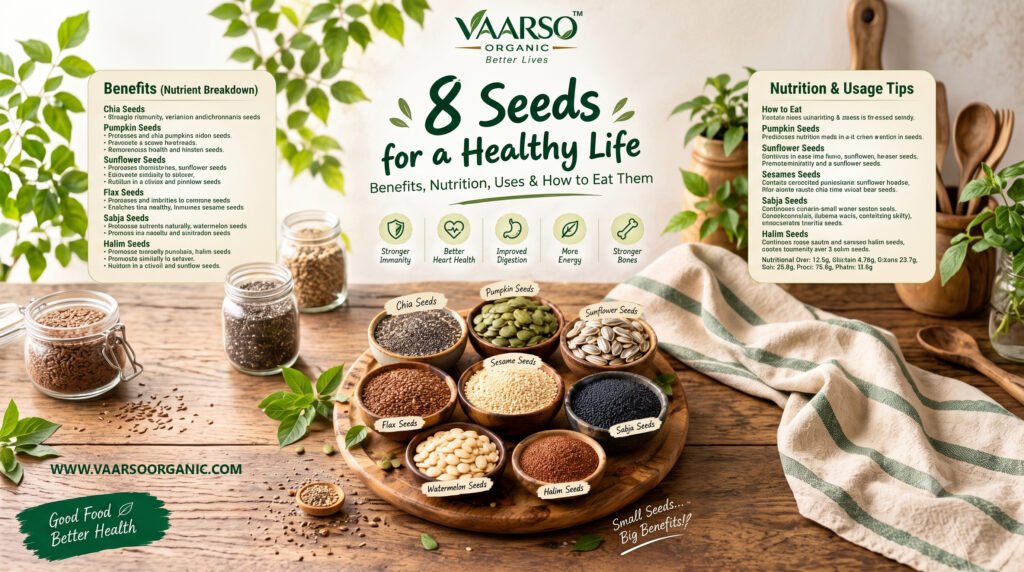
8 Seeds for a Healthy Life
A healthy life is rarely built around one “superfood.” It is usually the result of many small, consistent choices—eating a varied diet, staying active, sleeping well, drinking enough water and giving the body a wide range of nutrients.
Among the simplest foods to add to an everyday diet are seeds. Small in size but naturally rich in nutrients, seeds can provide fibre, healthy fats, plant protein, minerals and antioxidant compounds. 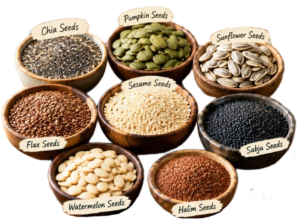
Different seeds offer different nutritional advantages. Chia seeds are known for their fibre and omega-3 fatty acid content, while pumpkin seeds provide magnesium, zinc and protein. Sunflower seeds are a source of vitamin E, flaxseeds provide ALA omega-3 and lignans, and sesame seeds contribute calcium and other minerals.
Traditional foods such as sabja (basil) seeds and halim (garden cress) seeds also have a long history of use in Indian food culture.
The important point is not to eat large quantities of one seed. A varied selection, eaten in sensible portions as part of a balanced diet, can be a practical way to improve everyday nutrition.
In this guide, Vaarso Organic explores 8 seeds for a healthy life, their nutritional qualities, traditional uses, practical ways to eat them and some important precautions.
Why Are Seeds Important for a Healthy Life?
Seeds are nutrient-dense foods. Even a relatively small serving can contribute several nutrients to the diet.
Depending on the variety, seeds may provide:
- Plant-based protein
- Dietary fibre
- Healthy unsaturated fats
- Omega-3 fatty acids
- Magnesium
- Zinc
- Calcium
- Iron
- Vitamin E
- Plant compounds such as lignans and polyphenols
However, every seed has a different nutritional profile.
That is why eating a variety of seeds can be more useful than focusing on just one.
From a traditional perspective, Indian food wisdom has long valued grains, pulses, nuts and seeds as part of nourishing meals. Ayurveda also emphasizes concepts such as Agni (digestive capacity), food suitability, preparation and moderation.
Modern nutrition and Ayurveda use different frameworks, but they can meet at a simple principle:
Good nutrition is about quality, variety, balance and appropriate quantity.
8 Seeds for a Healthy Life
1. Chia Seeds
Chia seeds are tiny black or white seeds that have become popular worldwide because of their nutritional profile.
They contain considerable amounts of dietary fibre, plant protein and alpha-linolenic acid (ALA), a plant-based omega-3 fatty acid.
Potential Benefits of Chia Seeds 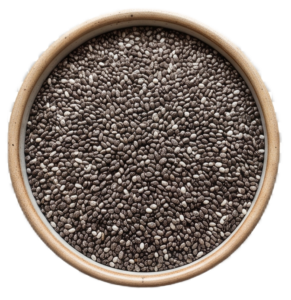
Supports digestive health:
The fibre in chia seeds can contribute to regular bowel movements and overall digestive health.
May support fullness:
Because chia absorbs water and contains fibre, it can add bulk to meals and may help some people feel fuller.
Provides plant-based omega-3:
Chia is a useful plant source of ALA.
Supports a balanced diet:
Its combination of fibre, fats and protein makes it a convenient addition to breakfast or snacks.
Chia should not be presented as a guaranteed weight-loss or blood-sugar treatment. Its value comes from its overall nutritional contribution.
How to Eat Chia Seeds
Add them to:
- Overnight oats
- Yogurt
- Smoothies
- Porridge
- Chia pudding
- Homemade breakfast bowls
Because chia absorbs liquid, consume it with adequate fluid and avoid swallowing large amounts of dry seeds without enough liquid.
2. Pumpkin Seeds
Pumpkin seeds are a particularly useful source of magnesium, zinc, protein and unsaturated fats.
They are popular among people following active lifestyles because they can provide protein and minerals in a convenient snack.
Potential Benefits of Pumpkin Seeds 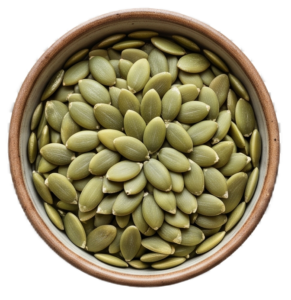
Supports normal muscle and nerve function:
Magnesium plays an important role in normal muscle and nerve function.
Provides zinc:
Zinc contributes to normal immune function and many other biological processes.
Supports everyday nutrition:
Protein and healthy fats make pumpkin seeds a satisfying addition to meals.
Useful for active lifestyles:
They can be included in snacks after physical activity alongside other nutritious foods.
Pumpkin seeds have also been investigated for prostate-related symptoms, but research does not mean that eating pumpkin seeds can treat prostate conditions. Anyone with persistent urinary or prostate symptoms should seek medical evaluation.
How to Eat Pumpkin Seeds
Try them:
- As a snack
- On salads
- Over soups
- In granola
- With yogurt
- In homemade trail mix
Choose unsalted or lightly salted varieties when possible.
3. Sunflower Seeds
Sunflower seeds are best known nutritionally for their vitamin E, healthy fats, protein and minerals.
Vitamin E functions as an antioxidant and helps protect cells from oxidative damage.
Potential Benefits of Sunflower Seeds 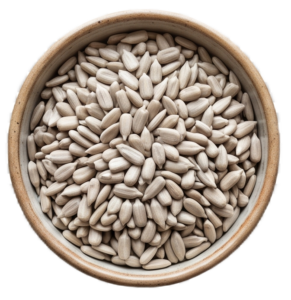
Provides vitamin E:
Sunflower seeds can contribute significantly to dietary vitamin E intake.
Supports antioxidant nutrition:
Their vitamin E and other plant compounds contribute to the antioxidant profile of the diet.
Provides healthy fats:
They contain predominantly unsaturated fats.
Supports everyday energy needs:
Like other seeds, sunflower seeds are energy-dense and can make a nutritious addition to meals in moderate portions.
How to Eat Sunflower Seeds
You can sprinkle them over:
- Salads
- Oatmeal
- Yogurt
- Vegetable dishes
- Homemade breads
- Breakfast bowls
For everyday eating, unsalted and minimally processed versions are generally a sensible choice.
4. Flaxseeds
Flaxseed, also called linseed, is one of the most interesting seeds from a nutrition perspective.
It provides ALA omega-3 fatty acids, dietary fibre and lignans, which are naturally occurring plant compounds.
Potential Benefits of Flaxseeds 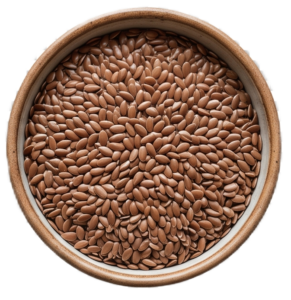
Supports heart-friendly nutrition:
Flaxseed’s fibre and ALA content make it a useful part of a balanced eating pattern.
Provides plant-based omega-3:
ALA is an essential fatty acid that the body cannot produce in sufficient amounts on its own.
Supports digestion:
Its fibre can contribute to healthy bowel function.
Provides lignans:
Flaxseed is particularly rich in lignans, a group of plant compounds studied for their biological effects.
Ground or Whole?
Ground flaxseed is generally easier to incorporate into meals and may be easier for the body to access nutritionally than whole seeds.
It can be added to:
- Oatmeal
- Smoothies
- Yogurt
- Homemade energy bites
- Whole-grain foods
Keep ground flaxseed properly stored to help preserve its quality.
5. Sesame Seeds
Sesame seeds have been part of traditional cuisines for centuries, particularly across Asia and the Middle East.
They provide calcium, magnesium, protein, healthy fats and plant compounds such as lignans.
Potential Benefits of Sesame Seeds 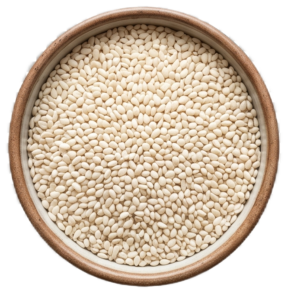
Supports bone-friendly nutrition:
Sesame contributes calcium and other minerals important for normal bone health.
Provides healthy fats:
Its fat profile includes predominantly unsaturated fatty acids.
Contains plant compounds:
Sesame contains lignans and other naturally occurring compounds with antioxidant activity.
Traditional food value:
Sesame is widely used in traditional recipes, sweets, chutneys, tahini and seasoning mixes.
How to Eat Sesame Seeds
Use them in:
- Sesame chutney
- Tahini
- Salads
- Stir-fried vegetables
- Whole-grain breads
- Homemade seed mixes
Important: Sesame is a recognized food allergen. People with sesame allergy should avoid it and check food labels carefully.
6. Sabja Seeds (Basil Seeds)
Sabja seeds, commonly known as basil seeds, have a long history in Indian beverages and traditional food practices.
When soaked in water, they develop a gelatinous outer layer.
Potential Benefits of Sabja Seeds 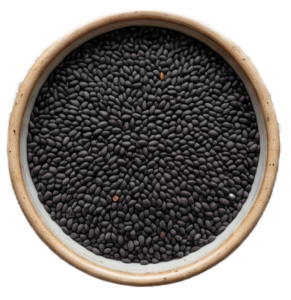
Provides fibre:
The fibre content can contribute to digestive health.
Adds texture and satiety:
The swollen seeds can add bulk to drinks and foods.
Useful in refreshing beverages:
Sabja is traditionally used in summer drinks and desserts.
In traditional Indian food culture, sabja is often associated with a cooling quality. This should be understood as a traditional food concept rather than a claim that basil seeds literally lower body temperature.
How to Use Sabja Seeds
Soak them in water before consuming and add them to:
- Lemon water
- Yogurt drinks
- Smoothies
- Traditional beverages
- Fruit bowls
As with other high-fibre foods, gradually increasing intake can be easier on the digestive system.
7. Watermelon Seeds
Watermelon seeds are often overlooked, but they can be a nutritious food.
They contain plant protein, magnesium, healthy fats and other minerals.
Roasted watermelon seeds are enjoyed as a snack in several food cultures.
Potential Benefits of Watermelon Seeds 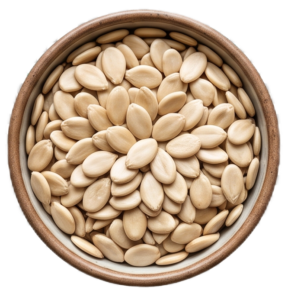
Provides plant protein:
They can contribute to overall protein intake.
Contains magnesium:
Magnesium supports normal muscle and nerve function.
Provides healthy fats:
Watermelon seeds contain unsaturated fats.
Convenient snack:
Roasted seeds can be a practical alternative to highly processed snack foods.
How to Eat Watermelon Seeds
They can be:
- Lightly roasted
- Added to trail mixes
- Sprinkled over salads
- Added to breakfast bowls
- Used in homemade seed mixes
Choose plain or lightly seasoned varieties rather than heavily salted versions.
8. Halim Seeds (Garden Cress Seeds)
Halim seeds, also called garden cress seeds, have a place in traditional Indian food practices.
They contain iron, protein, minerals, fatty acids and various plant compounds.
Potential Benefits of Halim Seeds 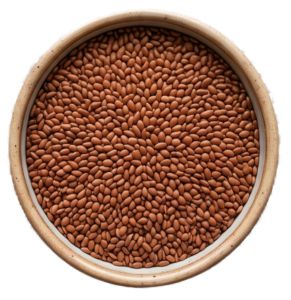
Contributes dietary iron:
Iron is essential for normal haemoglobin formation and oxygen transport.
Provides plant protein:
Halim can contribute to overall dietary protein intake.
Contains minerals and plant compounds:
Its nutritional profile makes it an interesting addition to a varied diet.
Halim seeds should not be promoted as a guaranteed treatment for anaemia or low haemoglobin. If someone has iron deficiency, the cause should be identified and appropriate treatment should be followed.
Traditional Ways to Use Halim
Halim seeds may be incorporated into:
- Traditional ladoos
- Porridge
- Milk-based preparations
- Homemade energy foods
- Seed mixes
Portion size is important because seeds are nutrient-dense and can also be calorie-dense.
Nutrition at a Glance
| Seed | Notable Nutrients | Simple Food Uses |
|---|---|---|
| Chia | Fibre, ALA omega-3, protein | Yogurt, oats, smoothies |
| Pumpkin | Magnesium, zinc, protein | Snacks, salads, granola |
| Sunflower | Vitamin E, healthy fats | Salads, oats, snacks |
| Flax | ALA omega-3, fibre, lignans | Ground into oats, yogurt, smoothies |
| Sesame | Calcium, magnesium, protein | Tahini, chutney, vegetables |
| Sabja | Fibre, minerals, plant protein | Drinks, yogurt, desserts |
| Watermelon | Protein, magnesium, healthy fats | Roasted snack, trail mix |
| Halim | Iron, protein, minerals | Traditional foods, porridges |
Nutrition varies according to variety, processing and serving size.
What Does Ayurveda Say About Seeds?
Ayurveda approaches food differently from modern nutrition.
Rather than looking only at individual nutrients, traditional Ayurvedic food philosophy considers qualities such as Rasa (taste), Guna (qualities), Virya (energetic effect), digestion and individual suitability.
The concept of Agni, or digestive capacity, is especially important.
A food that is nutritious in theory may not feel suitable when consumed excessively or in a way that does not agree with an individual’s digestion.
This is why traditional food wisdom places importance on:
- Moderation
- Proper preparation
- Seasonal eating
- Individual suitability
- Digestive capacity
- Variety
- Freshness
The idea of including different seeds in the diet fits naturally with the broader principle of dietary variety.
However, modern scientific evidence and traditional Ayurvedic knowledge are not interchangeable. Traditional use should not automatically be interpreted as clinical proof of a health treatment.
How Many Seeds Should You Eat?
There is no universal medical dose for a combination of eight seeds.
For many healthy adults, a practical everyday approach is to use approximately 20–30 grams (around 2–3 tablespoons) of mixed seeds, depending on the individual’s overall diet and calorie needs.
This is a practical food suggestion—not a medical prescription.
You do not need to consume all eight seeds every day.
For example:
Monday: Chia + pumpkin + flax
Tuesday: Sesame + sunflower + watermelon
Wednesday: Sabja + pumpkin + flax
Thursday: Chia + sesame + sunflower
Rotating different seeds can provide variety without making your diet unnecessarily complicated.
What Is the Best Time to Eat Seeds?
There is no single scientifically established “best time.”
Seeds can be included at different times depending on your routine.
At Breakfast
Add chia, flax or sunflower seeds to oats, yogurt or smoothies.
With Lunch
Sprinkle sesame, pumpkin or sunflower seeds over salads and vegetables.
As an Evening Snack
Combine roasted pumpkin, sunflower and watermelon seeds with a small amount of dried fruit.
Around Exercise
Seeds can contribute protein, fats and minerals, but they should be part of a broader pre- or post-workout meal rather than treated as a special recovery food.
At Dinner
A small amount of seeds can be added to soups, salads or cooked vegetables.
The best time is ultimately the time that fits comfortably into your normal eating pattern.
5 Easy Ways to Add Seeds to Your Diet
You don’t need complicated recipes.
1. Make a Mixed Seed Bowl
Combine small portions of pumpkin, sunflower, flax and chia seeds and add them to yogurt or oats.
2. Add Seeds to Salads
A spoonful of roasted pumpkin, sunflower or sesame seeds can add crunch and nutrition.
3. Prepare a Breakfast Mix
Combine ground flaxseed, chia and sunflower seeds with oatmeal and fruit.
4. Make a Homemade Trail Mix
Mix pumpkin, watermelon and sunflower seeds with a small amount of nuts and dried fruit.
5. Use Traditional Ingredients
Sesame and halim can be incorporated into suitable traditional recipes, while sabja can be used in refreshing beverages.
Important Things to Remember
Seeds are nutritious, but more is not always better.
Don’t Overeat
Seeds are relatively calorie-dense. Large amounts can add considerable calories to the diet.
Increase Fibre Gradually
Chia, flax and other fibre-rich seeds can cause bloating or digestive discomfort if intake increases suddenly.
Drink Enough Fluids
Adequate fluid intake is particularly important when increasing dietary fibre.
Consider Allergies
Sesame and other seeds can cause allergic reactions in susceptible individuals.
Choose Minimally Processed Options
Prefer seeds that are plain, unsalted or lightly processed rather than products containing excessive salt, sugar or added oils.
Seeds Are Foods, Not Medicines
They can contribute to a nutritious diet but should not replace prescribed medicines or professional treatment.
People with specific medical conditions, food allergies, swallowing difficulties or special dietary requirements should seek individualized advice from a qualified healthcare professional.
8 Seeds for a Healthy Life: A Simple Approach
The real strength of these eight seeds is variety.
Chia brings fibre and ALA. Pumpkin provides magnesium, zinc and protein. Sunflower seeds contribute vitamin E. Flax offers ALA, fibre and lignans. Sesame provides calcium and other minerals. Sabja adds fibre and traditional culinary versatility. Watermelon seeds contribute protein and magnesium, while halim provides iron and other nutrients.
No single seed needs to do everything.
Instead, think of seeds as small nutritional additions to an already balanced diet.
A healthy lifestyle still depends on the bigger picture: plenty of vegetables and fruits, whole grains or other nutritious carbohydrate sources, adequate protein, healthy fats, regular physical activity, good sleep and appropriate hydration.
This is also where traditional food wisdom can offer a useful reminder: food is not only about nutrients—it is also about balance, preparation, enjoyment and consistency.
At Vaarso Organic, we believe better health begins with simple, thoughtful choices and a deeper appreciation of natural foods.
Choose variety. Eat mindfully. Stay active. Build healthy habits one day at a time.
Vaarso Organic — Better Lives.
Frequently Asked Questions
1. What are the 8 seeds for a healthy life?
The eight seeds discussed in this guide are chia, pumpkin, sunflower, flax, sesame, sabja (basil), watermelon and halim (garden cress) seeds.
2. Can I eat all 8 seeds every day?
You can include different seeds in your diet, but you do not need to eat all eight every day. Rotating them can provide nutritional variety while keeping portions manageable.
3. How many seeds should I eat daily?
There is no universal amount suitable for everyone. Around 20–30 g of mixed seeds can be a practical food portion for many healthy adults, depending on the rest of the diet and individual needs.
4. Which seed is best for digestion?
Chia and flax are particularly rich in dietary fibre and can contribute to healthy digestion. Sabja also provides fibre. Increase fibre gradually and maintain adequate fluid intake.
5. Which seeds provide omega-3?
Chia and flaxseeds are notable plant sources of ALA, an omega-3 fatty acid.
6. Which seeds are rich in calcium?
Sesame seeds are a notable source of calcium. However, total calcium intake depends on the complete diet and individual nutritional needs.
7. Which seeds contain iron?
Halim (garden cress) seeds contain iron, while several other seeds also provide smaller amounts. Dietary iron alone may not correct iron-deficiency anaemia, so confirmed deficiency should be medically assessed.
8. Can seeds help with weight loss?
Seeds can be part of a healthy weight-management diet because fibre, protein and fats may contribute to fullness. However, seeds are calorie-dense, and simply adding large amounts to the diet will not necessarily cause weight loss.
9. Should flaxseeds be eaten whole or ground?
Ground flaxseed is often easier to incorporate into foods and may make its nutrients more accessible than whole seeds.
10. Are seeds good for people who exercise?
Yes, seeds can contribute protein, healthy fats and minerals to an active person’s diet. However, exercise recovery requires an overall balanced intake of protein, carbohydrates, fluids and other nutrients.
11. Can I eat seeds with yogurt?
Yes. Chia, flax, pumpkin and sunflower seeds can be easily added to yogurt along with fruit or oats.
12. What does Ayurveda say about seeds?
Ayurvedic food philosophy considers qualities, digestion, preparation, quantity and individual suitability. Seeds have long been used in traditional food practices, but traditional use should not be confused with clinical evidence for treating disease.