
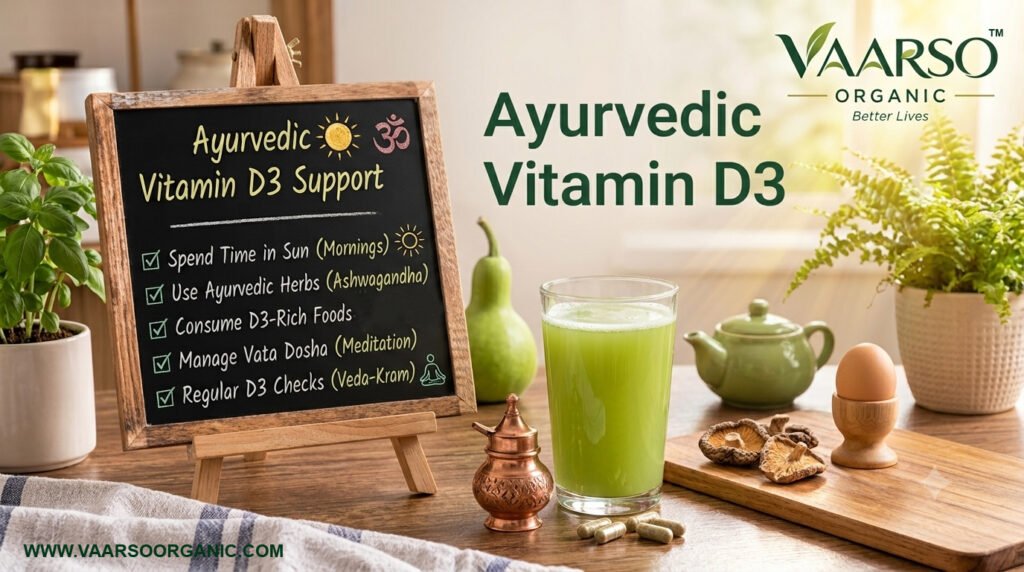
Natural Vitamin D3 Support: Ayurvedic Herbs, Nutrition & Sunlight
Vitamin D3 is often called the “sunshine vitamin,” but its role in the body goes far beyond sunlight. It helps the body absorb calcium, supports normal bone mineralization, contributes to muscle function and plays a role in immune function. Vitamin D3 can be obtained from sunlight, certain foods and supplements.
In traditional Indian wellness, however, nourishment has never been viewed as simply taking one isolated nutrient. Ayurveda emphasizes Ahara (food), Dinacharya (daily routine), sunlight, digestion, rest and overall balance as parts of a healthy lifestyle.
This is where an Ayurvedic-inspired approach to Vitamin D3 support becomes interesting.
A traditional combination sometimes discussed for nourishment and bone wellness includes Shatavari, Ashwagandha, sesame and Praval Pishti. These ingredients have different traditional roles, but it is important to understand one key point:
This Ayurvedic combination should not be considered a direct source of Vitamin D3 or a proven treatment for Vitamin D deficiency.
Vitamin D3 itself is produced in the skin following UVB exposure and is also available from selected foods and supplements.
So, rather than presenting Ayurveda as a replacement for Vitamin D3 supplementation, we can look at it as part of a broader natural wellness approach that supports nutrition, bone health and daily vitality.
What Is Vitamin D3?
Vitamin D is a fat-soluble nutrient that exists mainly as Vitamin D2 and Vitamin D3.
Vitamin D3, or cholecalciferol, is produced by the body when UVB radiation from sunlight reaches exposed skin. It is also available through certain foods and dietary supplements.
Once Vitamin D enters the body, it undergoes several metabolic steps before becoming biologically active. One of its important functions is helping the intestine absorb calcium and maintain appropriate calcium and phosphorus levels for healthy bones.
Vitamin D also contributes to:
- Normal bone development and maintenance
- Calcium absorption
- Normal muscle function
- Normal neuromuscular function
- Immune system function
- Healthy mineral metabolism
For most adults, the general recommended intake is 600 IU (15 mcg) per day from age 19–70 and 800 IU (20 mcg) after age 70, although individual needs can differ.
Why Is Vitamin D3 Important for Bone Health?
Think of your bones as a living structure that is constantly being renewed.
Calcium is one of the main minerals required for maintaining bone structure. Vitamin D helps the digestive system absorb calcium efficiently.
When Vitamin D levels are inadequate over time, calcium metabolism can be affected, potentially contributing to poor bone mineralization.
Long-term deficiency can lead to conditions such as rickets in children and osteomalacia in adults. Vitamin D and calcium are also important components of a broader strategy for maintaining bone health and reducing osteoporosis risk.
However, healthy bones require more than Vitamin D alone.
A balanced approach also includes:
- Adequate protein
- Calcium-rich foods
- Magnesium and other minerals
- Regular physical activity
- Strength and weight-bearing exercise
- Healthy body weight
- Adequate sleep
- Good overall nutrition
Ayurveda and the Idea of Nourishment
Ayurveda traditionally looks at health from a broader perspective.
Instead of focusing only on an isolated nutrient, traditional Ayurvedic thinking considers:
- Ahara – appropriate nourishment through food
- Dinacharya – healthy daily routine
- Agni – digestive capacity
- Bala – strength and resilience
- Ojas – traditional concept of vitality
- Proper rest and activity
- Seasonal and individual considerations
This holistic perspective can complement modern nutritional thinking.
But Ayurveda and modern nutrition should not be confused with one another. A traditional herb may have a long history of use without being a scientifically established treatment for a vitamin deficiency.
That distinction is especially important when discussing Vitamin D3.
A Traditional Ayurvedic-Inspired Vitamin D3 Support Formula
The traditional combination you referred to contains:
| Ingredient | Traditional quantity |
|---|---|
| Shatavari Powder | 50 g |
| Ashwagandha Powder | 50 g |
| Sesame Powder | 50 g |
| Praval Pishti | 25 g |
The ingredients are traditionally combined as a powder preparation.
The commonly suggested traditional method is 1 teaspoon in the morning with warm milk, sometimes taken on an empty stomach.
However, this exact recipe and dose should not be presented as a medically established Vitamin D3 treatment.
There is currently no reliable basis for saying that one teaspoon of this mixture will raise blood Vitamin D3 to a predictable level.
If someone has confirmed Vitamin D deficiency, the appropriate dose and form of Vitamin D should be determined according to their individual situation and healthcare professional’s advice.
Understanding the Ingredients
1. Shatavari Powder
Shatavari (Asparagus racemosus) is a traditional Ayurvedic botanical commonly associated with nourishment and restorative wellness.
Traditionally, Shatavari has been used in formulations intended to support:
- General nourishment
- Digestive wellness
- Reproductive wellness
- Strength and vitality
- Traditional restorative care
However, Shatavari itself should not be described as a natural source of Vitamin D3.
Its role in this type of preparation is better understood as part of a broader traditional nutritional and restorative approach.
2. Ashwagandha Powder
Ashwagandha (Withania somnifera) is one of the better-known herbs in Ayurvedic traditions.
Modern research has investigated different Ashwagandha preparations, particularly in areas such as stress and sleep. However, evidence varies considerably depending on the preparation and health outcome being studied.
It should not be described as a Vitamin D3 supplement.
People should also use caution with Ashwagandha. NCCIH notes possible gastrointestinal effects and rare reports of liver injury, and recommends avoiding it during pregnancy and breastfeeding. It may also interact with certain medicines and may not be appropriate for people with thyroid or autoimmune disorders or those preparing for surgery.
3. Sesame Powder
Sesame seeds are particularly interesting from a nutritional perspective.
They provide:
- Healthy fats
- Plant protein
- Fibre
- Calcium
- Magnesium
- Phosphorus
- Zinc
- Other micronutrients and plant compounds
Sesame therefore fits naturally into a nutrient-dense diet supporting overall bone and nutritional health.
But there is an important distinction:
Sesame is not a meaningful replacement for Vitamin D3.
Its nutritional value may complement a balanced diet, while Vitamin D must come from sunlight, dietary sources containing Vitamin D, fortified foods or supplements when required.
4. Praval Pishti
Praval Pishti is a traditional Ayurvedic mineral preparation associated with coral-derived material.
Because it is a mineral-based Ayurvedic preparation rather than an ordinary food ingredient, it should not be treated like sesame powder or a kitchen spice.
The quality, preparation method, purification process and source matter.
NCCIH notes that some Ayurvedic preparations can contain potentially toxic amounts of metals such as lead, mercury or arsenic. This does not mean every Ayurvedic product contains harmful levels, but it does highlight why mineral-containing preparations should be sourced responsibly and used under appropriate professional guidance.
For this reason, Praval Pishti should not be self-prescribed simply because it is described as “natural.”
Can This Ayurvedic Formula Increase Vitamin D3 Naturally?
This is perhaps the most important question.
The short answer is: not reliably.
Shatavari, Ashwagandha, sesame and Praval Pishti do not provide a predictable amount of Vitamin D3 equivalent to a Vitamin D3 supplement.
Your body primarily produces Vitamin D3 through a biochemical process involving UVB exposure to the skin. Vitamin D can also come from certain foods and supplements.
Therefore, it would be inaccurate to say:
“Take this Ayurvedic powder and your Vitamin D3 deficiency will disappear.”
A more accurate statement is:
“This traditional combination may be viewed as part of a broader Ayurvedic-inspired nutritional routine, while Vitamin D status should be addressed separately through appropriate sunlight exposure, dietary sources and supplementation when necessary.”
That distinction makes the approach both more responsible and more useful.
Vitamin D3 and Sunlight
Sunlight is one of the most natural ways the human body produces Vitamin D.
When UVB radiation reaches exposed skin, it initiates Vitamin D synthesis. However, the amount produced varies considerably depending on:
- Skin pigmentation
- Age
- Latitude
- Season
- Time of day
- Clothing
- Cloud cover
- Air pollution
- Amount of skin exposed
This is why there is no single sunlight duration that works for everyone worldwide.
At the same time, more sunlight is not necessarily better.
Excessive UV exposure increases the risk of skin damage and skin cancer. WHO recommends sensible sun protection and emphasizes balancing Vitamin D needs with protection from excessive UV exposure.
So the goal should be sensible sunlight, not prolonged sun exposure or sunburn.
Vitamin D3 Nutrition: What Foods Provide It?
Very few foods naturally contain substantial amounts of Vitamin D.
Some useful sources include:
Fatty fish
- Salmon
- Trout
- Tuna
- Mackerel
Other animal foods
- Egg yolks
- Beef liver
- Cheese
Fortified foods
Depending on the country and product, Vitamin D may be added to:
- Milk
- Plant-based milk alternatives
- Breakfast cereals
- Yogurt
- Some other fortified foods
Mushrooms
Certain mushrooms can provide Vitamin D2, especially those exposed to UV light during processing or cultivation.
For people following vegetarian or vegan diets, fortified foods and appropriate supplements may become particularly useful depending on their nutritional needs.
Vitamin D3 Benefits: What Does It Actually Do?
Rather than claiming that Vitamin D3 cures multiple diseases, it is better to focus on its established physiological roles.
1. Supports Calcium Absorption
Vitamin D helps the intestine absorb calcium.
This is one of its most important roles in maintaining healthy bones.
2. Supports Bone Health
Adequate Vitamin D contributes to normal bone mineralization and maintenance.
3. Supports Muscle Function
Vitamin D is involved in normal muscle function, making adequate status particularly relevant as people age.
4. Supports Normal Immune Function
Vitamin D also contributes to normal immune system function.
However, it should not be promoted as a universal immunity booster or cure for infections.
5. Supports Healthy Mineral Metabolism
Vitamin D works together with calcium and phosphorus to maintain important physiological processes related to bones and muscles.
What About Joint Pain, Tiredness and Weakness?
Many people associate low Vitamin D with:
- Bone discomfort
- Muscle weakness
- General tiredness
- Reduced physical strength
Vitamin D deficiency can contribute to musculoskeletal problems, but these symptoms are not specific to Vitamin D deficiency.
Tiredness or joint pain can also occur because of:
- Iron deficiency
- Vitamin B12 deficiency
- Thyroid disorders
- Poor sleep
- Stress
- Overtraining
- Arthritis
- Infections
- Other nutritional problems
- Various medical conditions
Therefore, taking an Ayurvedic powder simply because you feel tired is not a substitute for finding the underlying cause.
How to Use the Traditional Formula Responsibly
If someone is interested in the traditional combination of Shatavari, Ashwagandha, sesame and Praval Pishti, a cautious approach is important.
The traditional preparation is:
Shatavari Powder – 50 g
Ashwagandha Powder – 50 g
Sesame Powder – 50 g
Praval Pishti – 25 g
These ingredients are traditionally blended into a powder.
The commonly described traditional serving is:
1 teaspoon with warm milk in the morning.
However, this should be understood as a traditional recipe, not an evidence-based Vitamin D3 dosage.
Before using it regularly, particularly when Praval Pishti is included, consult a qualified Ayurvedic practitioner or healthcare professional.
Who Should Be Especially Careful?
Extra caution is appropriate for:
- Pregnant or breastfeeding women
- Children
- Older adults taking multiple medicines
- People with liver or kidney conditions
- People with thyroid disorders
- People with autoimmune conditions
- People preparing for surgery
- People taking diabetes medication
- People taking blood-pressure medication
- People taking sedatives or thyroid medication
- Anyone with a diagnosed Vitamin D deficiency
- Anyone taking several dietary supplements
Ashwagandha can interact with certain medicines and may not be appropriate for some health conditions.
Mineral-based Ayurvedic preparations also deserve careful sourcing and professional supervision.
How Do You Know If You Need More Vitamin D?
If there is a genuine concern about Vitamin D deficiency, guessing based on symptoms is not the best approach.
A healthcare professional may consider your:
- Diet
- Sun exposure
- Age
- Skin pigmentation
- Medical history
- Medications
- Absorption problems
- Kidney or liver health
- Risk factors for deficiency
A blood test measuring 25-hydroxyvitamin D [25(OH)D] is commonly used to assess Vitamin D status.
This is particularly important when someone has persistent symptoms or has been advised to take high-dose Vitamin D.
Can You Take Vitamin D3 Supplements?
Sometimes, yes.
Vitamin D3 supplements can be useful when dietary intake and sunlight are insufficient or when a healthcare professional recommends supplementation.
Vitamin D3 is generally more effective than Vitamin D2 at raising and maintaining blood 25(OH)D levels, although both forms can increase Vitamin D status.
But more is not always better.
For adults, the general upper intake level is 4,000 IU (100 mcg) per day unless higher amounts are specifically recommended and monitored by a healthcare professional. Excessive Vitamin D can lead to abnormally high calcium levels and other health problems.
A Simple Daily Routine for Natural Vitamin D3 Support
A practical routine does not need to be complicated.
Morning
☀️ Enjoy sensible outdoor activity and sunlight while following appropriate UV protection.
Breakfast
🥛 Include a nutritious meal containing protein, healthy fats and calcium-rich foods.
During the day
🥗 Eat a varied diet containing vegetables, fruits, whole grains, legumes, nuts and seeds.
Movement
🚶 Include walking, resistance training or other suitable weight-bearing activity.
Evening
🌙 Prioritize adequate sleep and maintain a regular bedtime.
Overall
💧 Stay hydrated and avoid relying on supplements as a replacement for a balanced diet.
This is much closer to the traditional Ayurvedic idea of daily lifestyle and nourishment than simply taking one powder.
Ayurveda and Modern Nutrition Can Work Together
There does not need to be a conflict between traditional wellness and modern nutritional science.
Ayurveda can encourage us to think about:
- Food quality
- Digestion
- Daily routine
- Rest
- Movement
- Seasonal habits
- Mindful eating
- Traditional herbs
Modern nutrition helps us understand:
- Nutrient requirements
- Vitamin deficiencies
- Blood testing
- Food fortification
- Supplement safety
- Clinical evidence
Together, these perspectives can encourage a more balanced approach.
The important thing is not to make traditional remedies responsible for something they cannot reliably provide.
Ayurveda can be part of a healthy lifestyle, but confirmed nutrient deficiencies deserve appropriate nutritional and medical attention.
Final Thoughts
Natural Vitamin D3 Support: An Ayurvedic Approach is ultimately about looking beyond a single supplement or home remedy.
Vitamin D3 is an essential nutrient involved in calcium absorption, bone health, muscle function and immune function. Sunlight, selected foods, fortified foods and supplements can all contribute to maintaining Vitamin D status.
The traditional combination of Shatavari, Ashwagandha, sesame and Praval Pishti may be discussed within the context of Ayurvedic nourishment and wellness, but it should not be presented as a proven Vitamin D3 replacement or guaranteed treatment for deficiency.
The more sustainable approach is simple:
Sunlight + Nutrition + Movement + Rest + Appropriate Supplementation + Responsible Traditional Wellness
That is where traditional wisdom and modern nutrition can meet.
Vaarso Organic — Better Lives.
Frequently Asked Questions
1. Is this Ayurvedic powder a source of Vitamin D3?
No. The combination of Shatavari, Ashwagandha, sesame and Praval Pishti should not be considered a predictable source of Vitamin D3.
Vitamin D3 is produced by the skin after UVB exposure and can also be obtained from certain foods and supplements.
2. Can sesame powder increase Vitamin D3?
Sesame is nutritious and provides minerals, healthy fats, protein and other nutrients, but it is not a meaningful source of Vitamin D3.
3. Does sunlight increase Vitamin D3?
Yes. UVB radiation from sunlight triggers Vitamin D production in the skin. However, the amount produced differs from person to person, and excessive UV exposure can damage the skin.
4. Can Vitamin D3 help calcium absorption?
Yes. Vitamin D plays an important role in helping the body absorb calcium from the digestive tract.
5. Can this formula cure Vitamin D deficiency?
There is not enough evidence to make that claim. Confirmed deficiency should be addressed using an appropriate treatment plan.
6. Is Ashwagandha safe for everyone?
No. Ashwagandha is not appropriate for everyone. It may interact with medications and should be avoided during pregnancy and breastfeeding. People with certain thyroid or autoimmune conditions should also seek professional advice before using it.
7. Is Praval Pishti safe to take every day?
It should not be treated like an ordinary food ingredient. Because it is a mineral-based Ayurvedic preparation, quality, preparation and sourcing are important. Professional guidance is advisable.
8. Can Vitamin D3 improve joint pain?
Vitamin D is important for bones and muscles, but joint pain has many possible causes. Vitamin D supplementation should not be promoted as a universal treatment for joint pain.
9. How can I naturally support healthy Vitamin D levels?
A balanced approach can include sensible sunlight exposure, Vitamin D-containing or fortified foods, adequate nutrition and appropriate supplementation when medically indicated.
10. Can I take Vitamin D3 supplements with Ayurvedic herbs?
Possibly, but this depends on the individual, the products and other medicines being taken. Discuss combined supplement use with a qualified healthcare professional, especially if you have an existing medical condition.