
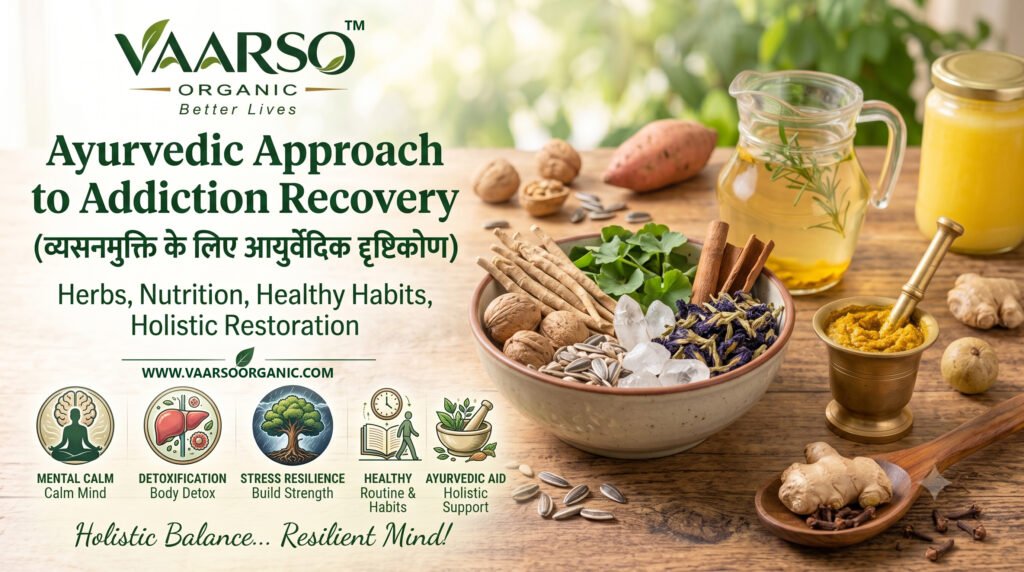
Ayurvedic Addiction Recovery: Traditional Herbs, Healthy Habits & a Safer Path to Freedom
Breaking an addiction is rarely just a matter of willpower.
Whether the substance is tobacco, nicotine, alcohol, cannabis, opioids such as opium, or another addictive substance, repeated use can become connected with the brain, emotions, daily routine, relationships and environment. That is why simply saying “I will stop from tomorrow” can be much harder than it sounds.
Ayurveda offers a different way of looking at the journey. Traditional Indian wellness places importance on Ahara (food), Vihara (lifestyle), Dinacharya (daily routine), mental balance and self-discipline. In that sense, recovery is not only about removing a substance. It is also about rebuilding a healthier daily life.
Several Ayurvedic herbs—including Ashwagandha, Brahmi, Shatavari, Guduchi (Giloy) and Licorice (Mulethi)—have traditional roles in wellness. But there is an important distinction between traditional use and clinically proven addiction treatment.
Current WHO guidance supports behavioural counselling and evidence-based medicines for tobacco cessation, while its tobacco-cessation guideline does not make a recommendation for traditional, complementary or alternative therapies because evidence is insufficient.
For alcohol or opioid dependence, stopping suddenly can sometimes be medically dangerous. Alcohol withdrawal, in particular, can cause seizures or delirium and may require supervised medical treatment.
So the most responsible Ayurvedic approach is not “replace addiction treatment with herbs.”
It is:
Use traditional wellness practices as complementary support while getting appropriate professional help for dependence and withdrawal.
What Is Addiction?
Addiction is more than a bad habit.
Repeated use of an addictive substance can produce changes in reward, motivation, learning and behaviour. Over time, a person may continue using the substance even when they understand its negative effects.
Common examples include: 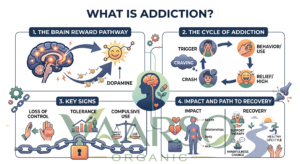
- Tobacco and nicotine
- Alcohol
- Cannabis
- Opioids such as opium and heroin
- Certain prescription medicines when misused
- Stimulant drugs
- Other psychoactive substances
Addiction can affect physical health, sleep, mood, relationships, work and finances.
The good news is that recovery is possible.
And recovery does not have to mean doing everything perfectly from the first day. For many people, it is a process involving professional treatment, behavioural support, family support, healthier routines and learning how to manage cravings and triggers.
Ayurveda and the Idea of Breaking a Habit
Ayurveda traditionally emphasizes balance rather than quick solutions.
Concepts such as Dinacharya, or a structured daily routine, encourage regularity in sleeping, eating, activity and personal care.
From a traditional perspective, unhealthy habits can become deeply integrated into one’s routine. Therefore, changing the routine itself can become part of the recovery process.
This is particularly relevant today.
A person may associate:
- Tea with tobacco
- Social gatherings with alcohol
- Stress with smoking
- Loneliness with substance use
- Certain friends or places with cannabis
- After-meal routines with chewing tobacco
Breaking addiction therefore involves more than removing the substance.
The situations surrounding the substance also need attention.
Can Ayurvedic Herbs Cure Addiction?
This question deserves a clear answer.
There is currently insufficient high-quality evidence to say that an Ayurvedic herb can independently cure substance-use disorder or safely replace established addiction treatment.
For tobacco cessation, WHO recommends behavioural support and pharmacological treatments such as nicotine replacement therapy, varenicline, bupropion and cytisine where appropriate.
That does not mean traditional herbs have no place in wellness.
They may be considered for areas such as:
- Stress management
- Relaxation
- General nutritional support
- Sleep routines
- Mindful self-care
- Replacing unhealthy daily rituals
But these are supportive roles, not substitutes for addiction treatment.
1. Ashwagandha: Traditional Support for Stress and Recovery
Ashwagandha (Withania somnifera) is one of the best-known Ayurvedic herbs worldwide.
Traditional Ayurvedic practice has long associated it with strength, resilience and general wellbeing.
Modern research has investigated Ashwagandha particularly in relation to stress and sleep. NCCIH notes that some preparations may help with stress and insomnia, although research quality and preparations vary, and evidence is insufficient for many other conditions.
Why might it be relevant during recovery?
Withdrawal and recovery can be stressful.
A person may experience: 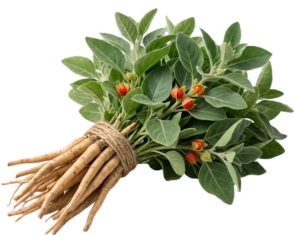
- Irritability
- Restlessness
- Difficulty sleeping
- Anxiety
- Cravings
- Changes in appetite
- Emotional ups and downs
Ashwagandha should not be described as a treatment for these withdrawal symptoms.
Instead, when medically appropriate, it may be considered as part of a broader stress-management routine.
How to use Ashwagandha
There is no universally appropriate dose for addiction recovery.
The quantity depends on the preparation, concentration, health status and medications.
NCCIH also reports potential interactions with sedatives, thyroid medicines, immunosuppressants, diabetes medicines and blood-pressure medicines, among others. Rare cases of liver injury have also been reported.
Therefore, regular internal use should be discussed with a qualified healthcare professional.
2. Brahmi: Calmness, Focus and Mindful Living
Brahmi has a long history in Ayurvedic traditions.
It is traditionally associated with: 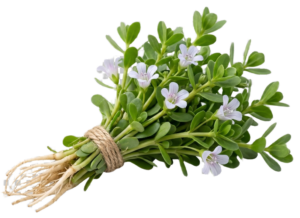
- Mental calmness
- Concentration
- Memory
- Mental balance
- Meditative practices
For someone trying to change an addictive habit, the ability to pause before reacting to a craving can be valuable.
But Brahmi does not eliminate nicotine dependence, alcohol dependence or opioid dependence.
Its potential role is better understood as part of a mindful lifestyle, rather than a detoxification treatment.
Traditional ways of incorporating Brahmi
Depending on the preparation, Brahmi may be used traditionally as:
- Herbal tea
- Powder
- Food preparation
- Traditional formulations
Follow the product instructions and professional advice rather than assuming that a larger quantity will provide greater benefits.
3. Shatavari: Traditional Nourishment and Balance
Shatavari (Asparagus racemosus) is another important Ayurvedic herb. 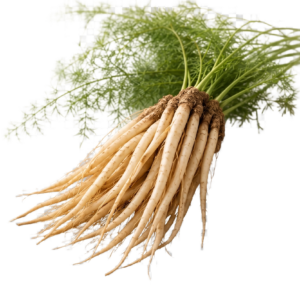
It has traditionally been used in formulations associated with nourishment and general vitality.
It is sometimes suggested during addiction recovery because the recovery process can be physically and emotionally demanding.
However, there is not enough clinical evidence to describe Shatavari as a treatment for addiction or withdrawal.
Its role, when appropriate, should remain within general wellness rather than being promoted as an anti-addiction medicine.
4. Guduchi (Giloy): Traditional Ayurvedic Herb
Guduchi (Tinospora cordifolia) is commonly known as Giloy. 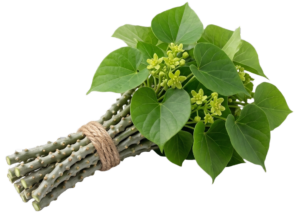
Ayurvedic traditions have used Guduchi in various formulations and contexts.
It is sometimes marketed as a herb that “cleanses toxins” from the body.
That wording needs caution.
Your liver and kidneys already perform important roles in processing and eliminating substances from the body. There is no established herbal drink that can simply “flush addiction toxins” from the body.
More importantly, Guduchi itself is not automatically risk-free. Case reports and safety concerns, including liver injury, have been associated with some Guduchi products. Therefore, it should not be treated as a universally safe detox remedy.
The better Ayurvedic lesson
Rather than thinking:
“Which herb will remove the toxins?”
think:
“Which habits can help my body and mind return to a healthier routine?”
That is a much more responsible approach.
5. Mulethi (Licorice): Traditional Herbal Use With Important Caution
Mulethi or Licorice root (Glycyrrhiza glabra) has been used traditionally in herbal preparations and is familiar in many cultures. 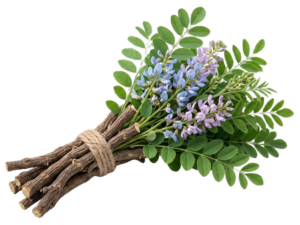
It is sometimes recommended for people who smoke because of its traditional association with throat and respiratory comfort.
But this should not be confused with evidence that licorice removes tobacco damage or reverses smoking-related disease.
There is another important issue: licorice is not harmless simply because it is natural.
Glycyrrhizin in licorice can cause serious adverse effects, particularly with high or prolonged consumption. It can contribute to high blood pressure, low potassium and abnormal heart rhythms, with greater concern among people who already have hypertension, heart or kidney conditions.
So chewing licorice throughout the day as a substitute for tobacco is not a universally safe strategy.
Nutrition During Addiction Recovery
Nutrition can become especially important when someone is changing a long-standing substance-use pattern.
Some substances can affect appetite, sleep, hydration or food choices. Recovery may also change eating patterns.
The goal should not be a complicated “detox diet.”
Instead, focus on simple, nourishing food.
Protein
Include suitable protein sources such as:
- Eggs
- Yogurt
- Milk or fortified alternatives
- Lentils
- Beans
- Chickpeas
- Tofu
- Fish
- Lean meats, where appropriate
- Nuts and seeds
Protein helps make meals more satisfying and supports normal tissue maintenance.
Fruits and vegetables
Colourful fruits and vegetables provide fibre, vitamins, minerals and plant compounds.
Examples include:
- Berries
- Citrus fruits
- Apples
- Amla
- Leafy greens
- Carrots
- Tomatoes
- Broccoli
- Squash
Whole grains
Oats, whole-wheat foods, brown rice, barley and other whole grains can provide carbohydrates and fibre.
Healthy fats
Nuts, seeds, avocado and unsaturated plant oils can form part of a balanced diet.
Hydration
Water is important, but there is no universal need to force several litres of water each day.
Fluid requirements vary with body size, climate, activity, diet and health conditions.
Benefits of a Healthy Recovery Routine
A structured lifestyle can support recovery in several ways.
Better daily structure
A predictable routine can reduce the amount of unplanned time associated with substance use.
Better sleep habits
Consistent sleep and wake times can help establish a healthier rhythm.
More awareness of triggers
Keeping track of cravings can help identify patterns.
Healthier food choices
Replacing irregular eating with balanced meals can support general wellbeing.
Physical activity
Walking, yoga, strength training or another enjoyable activity can become a healthy alternative to habitual substance-use routines.
Social support
Recovery becomes easier to navigate when trusted people know what support is needed.
How to Handle a Craving
A craving can feel urgent, but it does not mean that you have to act on it immediately.
Try creating a short pause.
The 10-minute reset 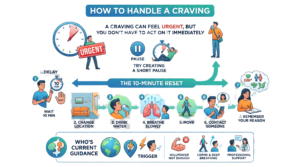
When a craving appears:
1. Delay
Tell yourself you will wait 10 minutes.
2. Change location
Move away from the place where you normally use the substance.
3. Drink water
A simple glass of water can provide a useful pause.
4. Breathe slowly
Take several slow breaths.
5. Move
Walk outside or stretch.
6. Contact someone
Message or call a trusted person.
7. Remember your reason
Write down why you decided to quit.
WHO’s current tobacco-cessation guidance similarly emphasizes identifying triggers, using coping strategies such as walking or deep breathing, and seeking professional support rather than relying only on willpower.
Ayurveda, Yoga and Meditation
One of the most interesting connections between traditional Indian culture and modern recovery is the emphasis on self-awareness.
Yoga and meditation are not cures for addiction.
But practices that encourage breathing, attention and relaxation may become useful complementary habits for some people.
A simple routine could include:
Morning:
5–10 minutes of breathing or meditation.
Daytime:
A walk or physical activity.
Evening:
Screen-free relaxation and regular sleep preparation.
The objective is not perfection.
It is to create a life in which the addictive habit has less space.
Tobacco Addiction: Don’t Rely on Herbs Alone
Tobacco dependence is strongly linked to nicotine addiction.
People quitting cigarettes, chewing tobacco, nicotine pouches or other tobacco products may experience cravings, irritability, difficulty concentrating and other withdrawal symptoms.
WHO recommends combining behavioural support with evidence-based tobacco-cessation treatment. Counselling and medication can significantly improve the likelihood of quitting.
Therefore, someone using tobacco should consider:
- A healthcare professional
- Tobacco-cessation counselling
- Quitline services where available
- Nicotine replacement therapy when appropriate
- Prescription medicines where appropriate
- Support from family and friends
Ayurvedic herbs can be discussed as complementary wellness practices—not as replacements for these treatments.
Alcohol Addiction Requires Special Care
This is perhaps the most important safety point in this article.
A person who is physically dependent on alcohol should not assume that stopping suddenly at home is always safe.
Alcohol withdrawal can become severe and may involve:
- Tremors
- Sweating
- Severe anxiety
- Confusion
- Hallucinations
- Seizures
- Delirium
WHO recommends medically supported alcohol withdrawal for people with alcohol dependence, with medication and monitoring based on the severity and individual circumstances.
Therefore, herbs such as Ashwagandha, Brahmi or Shatavari should never be presented as substitutes for medically supervised alcohol withdrawal.
If severe symptoms develop, urgent medical care is required.
Opioids and Cannabis: Why Professional Support Matters
Opioid dependence can involve significant withdrawal symptoms and carries a serious risk of overdose, particularly when tolerance changes after a period of abstinence.
Cannabis withdrawal can also produce symptoms such as irritability, sleep disturbance and changes in appetite.
In both situations, professional assessment can help determine the appropriate treatment and support.
Traditional wellness practices may complement recovery, but they should not delay evidence-based care.
How to Build a Sustainable Ayurvedic-Inspired Recovery Routine
Rather than creating a complicated list of herbs, start with the basics.
Morning
- Wake at a consistent time.
- Drink water according to your needs.
- Eat a nourishing breakfast.
- Practise a few minutes of breathing or meditation.
Daytime
- Stay physically active.
- Eat regular balanced meals.
- Avoid situations that strongly trigger substance use, particularly early in recovery.
- Stay connected with supportive people.
Evening
- Keep dinner balanced and moderate.
- Reduce unnecessary stimulation.
- Practise relaxation.
- Maintain a consistent bedtime.
Weekly
Reflect on:
- What triggered cravings?
- What helped?
- What situations should be avoided?
- Who provided useful support?
- What needs to change next week?
This is where the traditional idea of Dinacharya can become practical rather than theoretical.
What About “Detox” After Addiction?
The word detox is frequently used in natural-health marketing.
But detoxification from an addictive substance is not the same thing as drinking an herbal tea.
Medical detoxification refers to safely managing withdrawal and the body’s adjustment after stopping a substance.
For some substances, especially alcohol and certain drugs, withdrawal can be dangerous.
Therefore:
Herbal tea ≠ medical detox.
Water ≠ treatment for addiction.
Ayurvedic herbs ≠ replacement for evidence-based addiction care.
A healthier interpretation of Ayurvedic wellness is to support the body with nutritious food, regular sleep, movement, stress management and appropriate traditional practices while receiving the right clinical support.
When Should Someone Seek Professional Help?
Professional help is particularly important when:
- Substance use is daily or difficult to control
- Withdrawal symptoms occur when stopping
- The person has previously experienced withdrawal seizures
- Alcohol or opioid dependence is present
- Substance use is affecting work or relationships
- There is depression, severe anxiety or suicidal thinking
- Multiple substances are being used
- Attempts to quit repeatedly fail
- The person is pregnant
- There are significant liver, heart, kidney or other health problems
Seeking help is not a sign of weakness.
Addiction can involve powerful biological and behavioural mechanisms, and treatment exists for it.
A Vedic Thought for Modern Recovery
Indian philosophical traditions often place importance on self-mastery rather than suppression.
The deeper lesson is not simply:
“Don’t do this.”
It is:
“Build a life in which you no longer need this.”
That distinction matters.
When someone stops tobacco but remains surrounded by the same triggers, the same stress and the same routine, cravings may remain difficult.
But when the person gradually changes their environment, food, sleep, relationships, activities and coping mechanisms, recovery becomes part of a larger transformation.
This is one way to understand the spirit behind:
“Ayurveda = not merely medicine, but the art of living.”
Final Thoughts
Addiction recovery is a journey, not a single herbal recipe.
Ashwagandha, Brahmi, Shatavari, Guduchi and Mulethi all have places in traditional herbal culture, but none should be promoted as a proven standalone cure for tobacco, alcohol, cannabis or opioid dependence.
The strongest foundation is a combination of:
Professional support + behavioural strategies + healthy nutrition + regular sleep + physical activity + supportive relationships + appropriate traditional wellness practices.
At Vaarso Organic, we believe natural wellness should respect both traditional wisdom and responsible modern evidence.
Nature can be part of the journey.
But when addiction is involved, getting the right help is part of taking care of yourself—not a failure of self-discipline.
Vaarso Organic — Better Lives.
FAQs
1. Can Ayurveda completely cure addiction?
There is not enough high-quality evidence to say that Ayurvedic herbs alone can cure substance-use disorders. Ayurveda-inspired lifestyle practices may be complementary to professional addiction treatment.
2. Which Ayurvedic herbs are traditionally associated with recovery and wellbeing?
Ashwagandha, Brahmi, Shatavari, Guduchi and Mulethi have traditional uses in Ayurvedic practice. Their roles should not be confused with clinically proven addiction treatments.
3. Can Ashwagandha reduce withdrawal symptoms?
There is insufficient evidence to recommend Ashwagandha as a treatment for substance withdrawal. It has been studied more extensively for stress and sleep, but it also has potential side effects and medication interactions.
4. Can Brahmi help someone quit tobacco?
Brahmi may be incorporated into a traditional wellness routine, but it has not been established as a tobacco-cessation treatment. Evidence-based counselling and cessation medicines should remain central to tobacco treatment.
5. Can Giloy detox the body after addiction?
There is no established evidence that Giloy can “detox” the body from addiction. Some Guduchi products have also been associated with liver-safety concerns, so it should not automatically be considered harmless.
6. Is Mulethi safe to chew every day instead of tobacco?
Not necessarily. Regular or high consumption of glycyrrhizin-containing licorice can cause serious effects, including increased blood pressure, low potassium and abnormal heart rhythms.
7. Can I stop alcohol suddenly and use Ayurvedic herbs for withdrawal?
If someone is physically dependent on alcohol, suddenly stopping can be dangerous. Alcohol withdrawal can involve seizures and delirium and may require medically supervised treatment.
8. Is quitting tobacco possible without medication?
Some people quit without medication, but WHO recommends evidence-based behavioural support and pharmacological options because combining appropriate treatments can improve cessation outcomes.
9. What foods should I eat during addiction recovery?
Focus on varied whole foods: vegetables, fruits, whole grains, adequate protein, nuts, seeds and appropriate healthy fats. Regular meals can also help create a more stable daily routine.
10. Does drinking lots of water remove addiction from the body?
No. Hydration is important, but excessive water intake does not cure addiction or safely manage serious withdrawal.
11. Can yoga and meditation help?
Yoga and meditation may be useful complementary practices for relaxation, stress management and establishing a healthier routine. They should not replace appropriate addiction treatment.
12. What is the most important step in quitting an addiction?
Recognising the problem and seeking appropriate support is an important starting point. For many people, a structured treatment plan, counselling and ongoing support are more useful than trying to rely entirely on willpower.
13. What if I relapse?
Relapse does not mean that recovery is impossible. Treat it as a signal to reassess triggers, treatment and support. Contact your healthcare or addiction-treatment provider and return to the recovery plan.
14. Can Ayurvedic supplements interact with medicines?
Yes. “Natural” does not automatically mean interaction-free. Ashwagandha, licorice and other supplements can interact with medicines or cause adverse effects. Always disclose supplements to your healthcare provider.