
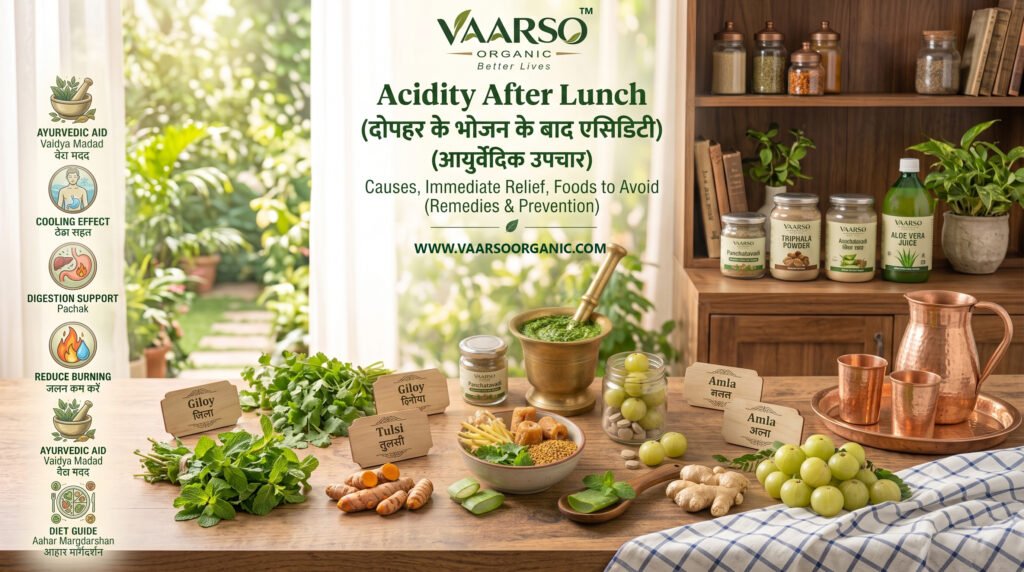
Acidity After Lunch? Ayurvedic Remedies, Food Tips & Healthy Habits for Better Digestion
Acidity after lunch can turn an otherwise normal afternoon into an uncomfortable one.
You finish your meal, return to work or your daily routine, and suddenly notice a burning sensation in your upper abdomen or chest. Sometimes there is sour burping, bloating, heaviness, nausea or an unpleasant taste in the mouth. For some people, the discomfort becomes so familiar that they begin planning their meals around it.
But acidity is not always simply “too much acid.”
Heartburn, acid reflux, indigestion and gastritis can produce overlapping symptoms, while the underlying causes can be quite different. Indigestion, for example, may involve upper-abdominal burning, fullness, bloating, nausea or belching, whereas heartburn is more closely associated with stomach contents moving back into the esophagus.
This is where an Ayurvedic approach can offer an interesting perspective—not as a promise of an instant cure, but as a way of looking at food, digestion, daily routine and individual tolerance together.
Traditional Indian kitchens have long used ingredients such as cumin, coriander, fennel and Amla around meals. Today, these practices can be considered alongside modern nutritional knowledge and appropriate medical care.
At Vaarso Organic, we believe natural wellness is not about finding one magical ingredient. It is about building habits that respect the body and making informed choices.
Ayurveda is not merely a collection of remedies. It is a way of living with awareness.
What Does Acidity After Lunch Actually Mean?
The word “acidity” is commonly used to describe several digestive sensations.
You might experience: 
- Burning in the upper abdomen
- Burning behind the breastbone
- Sour or bitter taste
- Burping or regurgitation
- Bloating
- Nausea
- Feeling unusually full
- Discomfort after eating
- A sensation of food coming back toward the throat
Acid reflux occurs when stomach contents move back into the esophagus. When reflux happens repeatedly and causes troublesome symptoms or complications, it may be diagnosed as GERD.
Indigestion is different, although the symptoms can overlap. It can include upper-abdominal burning or discomfort, early fullness, bloating, nausea and belching.
Therefore, acidity after lunch should not automatically be treated as a simple excess-acid problem.
Why Does Acidity After Lunch Happen?
Lunch is often the largest meal of the day for many people. It can also be followed by long hours of sitting at a desk, travelling, drinking coffee or taking a nap.
Several factors may contribute to symptoms.
1. Eating a very large meal
An excessively large meal can leave you uncomfortably full and may aggravate reflux symptoms in susceptible people.
2. Spicy or oily food
Spicy foods and high-fat meals are commonly reported triggers for GERD symptoms, although individual responses vary.
3. Too much tea or coffee
Caffeine can trigger reflux symptoms in some individuals. That does not mean everybody needs to completely avoid coffee or tea; your own response matters.
4. Eating too quickly
When you eat quickly, it can be easier to overeat or miss the body’s signals of fullness.
5. Lying down after lunch
This is particularly relevant for people who experience reflux.
NIDDK notes that people with GERD symptoms may benefit from eating meals at least three hours before lying down or going to bed.
6. Individual food triggers
Tomatoes, citrus, chocolate, alcohol, mint, caffeine, spicy foods and high-fat foods are among foods and drinks commonly associated with GERD symptoms. But not everyone reacts to all of them.
Acidity After Lunch Through an Ayurvedic Lens
Ayurveda gives a central place to Agni, traditionally understood as digestive fire.
Agni is an Ayurvedic concept and should not simply be equated with stomach acid. It represents a broader traditional understanding of digestion, appetite and transformation of food.
Ayurveda also emphasizes:
- Ahara – food and nourishment
- Vihara – lifestyle and daily activities
- Dinacharya – daily routine
- Ritu – seasonal considerations
- Manas – mental and emotional balance
This gives us a useful modern lesson.
Instead of asking only:
“What can I take for acidity?”
we can also ask:
“What am I eating, how much am I eating, how quickly am I eating, and what am I doing afterward?”
That change in thinking can make digestive wellness much more practical.
1. Cumin Water: A Traditional After-Meal Choice
Cumin (Jeera) is one of the most familiar digestive spices in Indian cooking.
It is used in curries, rice dishes, lentils, spice blends and traditional beverages. Cumin water is also commonly used as a simple post-meal drink.
How to prepare it 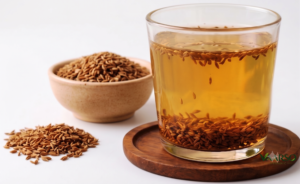
A mild traditional preparation can be made with:
- ½ teaspoon roasted cumin powder
- 1 glass comfortably warm water
Mix well and sip slowly.
Traditional wellness use
Cumin is traditionally associated with digestive comfort and is commonly included in food and after-meal preparations.
However, it would be too strong to say that cumin water immediately neutralizes stomach acid or cures acid reflux. High-quality clinical evidence does not establish it as a treatment for GERD.
How to use it
If cumin agrees with you, a small glass after lunch can become part of a mindful digestive routine.
If it causes burning, nausea or discomfort, stop using it.
2. Coriander and Fennel: A Traditional Digestive Combination
Another familiar combination is coriander and fennel.
Fennel seeds are traditionally served after meals in many parts of South Asia, while coriander is a staple culinary herb around the world.
The traditional preparation supplied for this blog is: 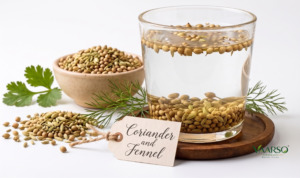
- Coriander – 1 part
- Fennel – 1 part
- Mishri – ½ part
A small amount may be taken after a meal.
A modern adjustment
You do not necessarily need mishri.
Mishri is still a form of added sugar, so people trying to reduce sugar intake may prefer plain fennel or a simple coriander-fennel infusion.
Potential benefits
This combination can contribute to:
- A pleasant post-meal ritual
- Freshness after eating
- Traditional digestive comfort
- A caffeine-free alternative to tea or coffee
But it should not be promoted as a guaranteed treatment for chronic reflux, ulcers or gastritis.
3. Amla: Traditional Nutrition With Individual Suitability
Amla, or Indian gooseberry, has an important place in Ayurvedic and Indian food traditions. 
It is a nutritious fruit containing vitamin C and various plant compounds.
Traditionally, Amla is used in foods, beverages and Ayurvedic preparations.
The traditional suggestion is approximately ½ teaspoon of Amla powder with honey.
However, there is an important point that is often missed:
Amla is naturally acidic.
Some people may tolerate it well, while others with reflux symptoms may find acidic foods uncomfortable.
Acidic foods such as citrus and tomatoes are among foods commonly reported to trigger GERD symptoms in some people.
So rather than saying “Amla is always good for acidity,” a more responsible approach is:
Use it only if your body tolerates it well.
4. Milk and Ghee: Traditional Food, Not a Universal Acidity Remedy
Milk and ghee have deep cultural and culinary importance in Indian traditions, and ghee has an especially prominent place in classical Ayurvedic food discussions.
The supplied traditional remedy recommends: 
- 1 cup warm milk
- About ½ teaspoon ghee
However, this should not be presented as a universally effective treatment for acidity or ulcers.
High-fat foods can worsen reflux symptoms in some people.
Milk can also cause bloating or digestive discomfort in people who do not tolerate lactose well.
The Ayurvedic lesson of individual suitability
If a food traditionally considered nourishing makes you feel worse, you do not have to force yourself to consume it.
A practical wellness approach asks:
Is it suitable for me?
That question remains valuable whether we are talking about Ayurveda or modern nutrition.
Benefits of a Better Post-Lunch Routine
Sometimes the most useful “acidity remedy” is not a powder or drink.
It is a change in routine.
Better meal awareness
Eating slowly gives you more opportunity to notice fullness.
More comfortable digestion
Moderate portions may reduce the feeling of excessive fullness after lunch.
Better reflux management
Remaining upright after eating can be particularly important if lying down triggers your symptoms.
Better afternoon energy
A balanced meal followed by gentle movement may be more comfortable than eating a heavy meal and immediately returning to prolonged sitting.
Greater awareness of triggers
A simple food-and-symptom diary can help you identify patterns.
What Should You Eat When You Experience Acidity After Lunch?
There is no universal “acidity diet.”
Different people react differently to foods, and nutritional needs also vary.
A balanced lunch can include:
Vegetables
Choose vegetables you tolerate well. Cooked vegetables may be more comfortable for some people than very large raw salads.
Whole grains
Depending on your dietary pattern, options may include:
- Oats
- Whole-wheat foods
- Brown rice
- Quinoa
- Barley
- Other minimally processed grains
Protein
Protein can come from:
- Lentils
- Beans
- Tofu
- Eggs
- Fish
- Lean meat
- Yogurt, if tolerated
- Other plant-based protein sources
There is no need to remove an entire food group simply because you experience occasional acidity.
Healthy fats
Nuts, seeds and unsaturated oils can be part of a balanced diet, but very high-fat meals may worsen reflux for some people.
Foods That May Make Acidity Worse
Instead of creating a huge list of “forbidden foods,” observe your own symptoms.
Commonly reported GERD triggers include:
🌶️ Very spicy foods
🍟 High-fat or greasy meals
☕ Coffee and other caffeinated drinks
🍫 Chocolate
🍊 Certain acidic foods
🍷 Alcohol
🌿 Mint
🥤 Some carbonated drinks
NIDDK recommends paying attention to foods and drinks that actually worsen your symptoms rather than assuming every person needs to avoid the same foods.
This is an important principle:
A food is not automatically “bad” simply because somebody else reacts to it.
What About Tea and Coffee After Lunch?
For many people, afternoon tea or coffee is part of their daily routine.
But if your pattern looks like this:
Lunch → strong tea/coffee → burning → sour burping
then caffeine may be worth examining.
Try reducing:
- The quantity
- The strength
- The frequency
- The timing
You may not need to eliminate caffeine entirely.
The goal is to discover what works for your body.
Should You Drink Cold Water After Lunch?
Many traditional households advise avoiding very cold water after meals.
However, there is not strong evidence that ordinary cold water itself causes reflux in everyone.
Rather than worrying excessively about water temperature, focus on:
- Adequate hydration
- Comfortable drinking temperature
- Avoiding very large quantities at once if they make you uncomfortable
- Maintaining good overall eating habits
If warm or room-temperature water feels better to you, there is nothing wrong with choosing it.
Should You Sleep After Lunch?
If you frequently experience acidity after lunch, immediately lying down is a habit worth reconsidering.
For people with GERD symptoms, eating at least three hours before lying down or going to bed may improve symptoms.
Instead of lying down immediately:
- Sit upright
- Take a gentle walk
- Return to work while remaining upright
- Practise a few minutes of calm breathing
If you regularly feel an overwhelming need to sleep after meals, particularly alongside other symptoms, it may also be worth discussing with a healthcare professional.
A Simple 30-Minute Post-Lunch Routine
Here is a practical routine that does not require complicated ingredients.
0–10 minutes: Slow down
Finish your meal calmly.
Avoid immediately rushing back into stressful work.
10–20 minutes: Gentle movement
Take a comfortable walk.
It doesn’t need to be exercise training.
20–30 minutes: Stay upright
Return to your routine without lying down.
If you enjoy cumin water or a mild fennel-coriander preparation and it suits you, this can be incorporated into the routine.
The goal is not to create a complicated ritual.
The goal is consistency.
Nutrition Matters More Than One Herbal Remedy
Digestive wellness begins with the overall diet.
A nutritious lifestyle should provide:
- Adequate protein
- Fibre
- Vitamins and minerals
- Whole-food carbohydrates
- Healthy fats
- Sufficient fluids
At the same time, repeatedly eating very large portions of ultra-processed, fried or highly fatty meals may make digestive symptoms harder to manage.
NIDDK notes that dietary changes may help people with indigestion, but different individuals can have different food triggers.
This is why a personalized approach is often more useful than a rigid “acidity food chart.”
Ayurveda and the Idea of Eating With Awareness
Traditional Indian food culture contains a beautiful idea that modern life sometimes forgets:
Food is not only fuel. It is part of daily life.
Ayurvedic thought places importance on food quality, quantity, timing, digestion and routine.
Indian traditions also historically connected meals with season, climate, activity and individual constitution.
We can bring that idea into a modern worldwide lifestyle without insisting that everyone follow an ancient diet literally.
Eat according to your needs.
Notice how food affects you.
Respect hunger and fullness.
Avoid turning every meal into a rushed activity.
And understand that digestive symptoms are information—not something to be ignored indefinitely.
Monsoon and Seasonal Eating
The original traditional advice specifically highlights acidity during the monsoon.
The rainy season itself is not necessarily the direct cause of acidity. However, seasonal changes can alter eating and activity habits.
People may consume more:
- Fried snacks
- Spicy foods
- Restaurant foods
- Tea
- Sweets
while moving less.
That combination may be more relevant than the weather alone.
A sensible seasonal routine is therefore:
- Prefer freshly prepared foods.
- Avoid repeatedly eating very oily meals.
- Maintain food hygiene.
- Drink safe water.
- Keep portions moderate.
- Remain physically active.
- Avoid lying down immediately after meals.
How to Use Ayurvedic Herbs Responsibly
Natural products deserve the same thoughtful approach as other health products.
Herbal products can vary in strength, preparation and quality. Some supplements can interact with medicines, and contamination is also a recognized safety concern.
For that reason:
- Buy products from reliable sources.
- Check the ingredient list.
- Avoid unknown combinations.
- Do not assume “natural” means risk-free.
- Tell your healthcare professional about herbal products you use.
- Be especially careful during pregnancy, breastfeeding or when taking regular medication.
NCCIH also advises people not to use Ayurvedic medicine to delay appropriate conventional medical care.
When Is Acidity After Lunch a Medical Problem?
Occasional heartburn may be related to food or lifestyle.
But repeated symptoms deserve attention.
See a healthcare professional if your symptoms are frequent, persistent or interfering with your daily life.
Seek prompt medical attention if you experience:
- Chest pain
- Difficulty or pain when swallowing
- Persistent vomiting
- Vomiting blood
- Black or tar-like stools
- Severe or persistent abdominal pain
- Unexplained weight loss
- Loss of appetite
- Shortness of breath
- Yellowing of the skin or eyes
These can indicate a condition that should not be managed only with home remedies.
Can Ayurvedic Remedies Replace Acid-Reflux Medicines?
No.
If you have been diagnosed with GERD, gastritis, an ulcer or another digestive condition, do not stop prescribed treatment simply because a traditional remedy feels more natural.
Treatment depends on the underlying cause. Medical treatment for indigestion, for example, can involve dietary changes, over-the-counter medicines or prescription medicines depending on the diagnosis.
Ayurvedic-inspired lifestyle practices can be complementary, but they should not delay necessary medical care.
A Vaarso Organic Approach to Better Digestion
At Vaarso Organic, we see natural wellness as a combination of traditional wisdom + responsible modern understanding.
For someone experiencing acidity after lunch, that could mean:
🌿 Choosing traditional digestive ingredients thoughtfully
🥗 Eating a balanced diet
🍽️ Keeping portions comfortable
⏰ Maintaining regular meal habits
🚶 Moving gently after lunch
☕ Observing caffeine intake
🧘 Managing stress
💧 Staying hydrated
🛌 Avoiding immediate lying down
👨⚕️ Seeking professional advice when symptoms persist
There is no need to turn digestion into a complicated project.
Sometimes, the smallest consistent changes are the ones that become sustainable.
Final Thoughts: Acidity After Lunch Is a Signal Worth Understanding
Acidity after lunch may seem like a small problem, but when it happens repeatedly, it can affect your comfort, concentration, sleep and quality of life.
Traditional ingredients such as cumin, coriander, fennel and Amla have an important place in Indian culinary and Ayurvedic traditions. They can be part of a thoughtful wellness routine when they suit the individual.
But the bigger lesson goes beyond herbs.
Your lunch matters.
Your portion matters.
Your eating speed matters.
Your afternoon routine matters.
And your individual response matters.
Rather than searching for one “powerful” home remedy, start by understanding the complete pattern.
Eat mindfully. Live regularly. Observe your body. Use traditional wisdom responsibly.
That is where the deeper meaning of Ayurveda begins.
Ayurveda is not merely a medicine cabinet—it is an art of living.
Vaarso Organic — Better Lives.
FAQs: Acidity After Lunch
1. Why do I get acidity after lunch every day?
Daily symptoms can be associated with meal size, food triggers, caffeine, reflux, indigestion or another digestive condition. Persistent symptoms should be discussed with a healthcare professional rather than treated indefinitely with home remedies.
2. What is the best Ayurvedic remedy for acidity after lunch?
There is no single remedy that is best for everyone. Traditional options such as mild cumin water or fennel-coriander preparations may suit some people, but they are not established cures for GERD.
3. Can cumin water reduce acidity?
Cumin water is traditionally used for digestive comfort. However, there is not enough clinical evidence to describe it as a proven treatment for acid reflux.
4. Can fennel be eaten after lunch?
Yes, a small amount of fennel is traditionally consumed after meals. It can be part of a food-based digestive routine if you tolerate it well.
5. Is Amla good for acidity?
Amla is a nutritious traditional food, but it is naturally acidic. Some people tolerate it well while others may find acidic foods aggravate reflux. Your individual response matters.
6. Can milk and ghee cure acidity?
No. Milk and ghee should not be described as cures for acidity or ulcers. High-fat foods can worsen reflux in some people.
7. Should I stop tea and coffee if I have acidity?
Not necessarily. Caffeine can trigger symptoms in some people. Observe whether reducing the amount or changing the timing improves your symptoms.
8. Can I sleep immediately after lunch?
If you experience reflux, it is better to remain upright. NIDDK recommends leaving at least three hours between a meal and lying down or going to bed for people whose GERD symptoms occur when lying down.
9. Does spicy food always cause acidity?
No. Spicy foods can trigger symptoms in some people, but individual responses vary.
10. What should I eat for lunch if I have acidity?
Choose a balanced meal with foods you tolerate well, such as vegetables, whole grains and an appropriate protein source. Avoid foods that repeatedly trigger your symptoms.
11. Is acidity the same as acid reflux?
Not necessarily. “Acidity” is an everyday term. Heartburn is commonly associated with acid reflux, while indigestion can cause upper-abdominal burning, fullness, bloating and other symptoms.
12. Can acidity be caused by stress?
Stress can be associated with digestive symptoms and disorders of gut-brain interaction, although it is not the only possible cause.
13. Can Ayurvedic remedies replace GERD medicines?
No. Traditional approaches should not replace medically indicated treatment. Discuss herbal products with your healthcare professional, particularly if you take medicines or have an existing health condition.
14. When should I see a doctor for acidity?
If symptoms are frequent, persistent or worsening, seek medical advice. Chest pain, difficulty swallowing, persistent vomiting, vomiting blood, black stools, unexplained weight loss or shortness of breath require prompt medical attention.