

Osteoporosis and Ayurveda: Causes, Symptoms, Nutrition, Prevention & Holistic Bone Care
- Osteoporosis and Ayurveda
- Natural bone health support
- Osteoporosis symptoms
- How does Ayurveda approach osteoporosis?
- Can Ayurveda cure osteoporosis?
Bones support every step we take, protect vital organs, and allow us to move through daily life. Yet bone health is easy to overlook because changes in bone strength often happen silently. By the time osteoporosis is discovered, a person may already have experienced a fracture.
Osteoporosis is a condition in which bones become less dense and structurally weaker, making them more likely to break. It can affect women and men, particularly as they grow older. Although age and hormonal changes influence bone health, nutrition, physical activity, certain medical conditions, and medicines can also play important roles.
Ayurveda offers a traditional perspective on healthy ageing, balanced nutrition, daily routines, and maintaining physical function. When considered alongside modern medical knowledge, these principles can encourage a thoughtful approach to bone wellness.
At Vaarso Organic, we believe natural wellness begins with awareness and consistent habits. In this article, we explore osteoporosis, its causes and symptoms, essential nutrients, safe exercise, Ayurvedic perspectives, and practical ways to support stronger bones throughout life.
What Is Osteoporosis?
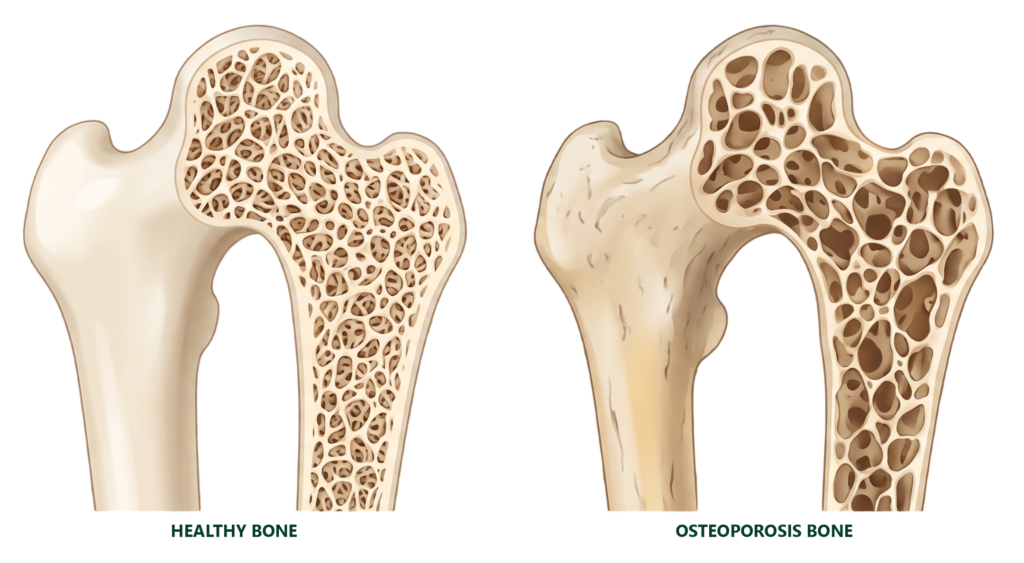
Osteoporosis is a bone disease characterised by reduced bone mass and deterioration of bone structure. These changes make bones more fragile and increase the risk of fractures, particularly in the hip, spine, and wrist.
Bone is living tissue. The body continually removes old bone and replaces it with new tissue through a process called bone remodelling. During childhood and early adulthood, bone formation generally exceeds bone breakdown, allowing bone mass to increase. With ageing, this balance can shift, and bone loss may gradually become greater than bone formation.
Osteoporosis develops when this process weakens bones enough to increase fracture risk. It is sometimes called a silent disease because it usually causes no obvious symptoms in its early stages.
Importantly, osteoporosis is not simply a condition that affects women. Women are at increased risk after menopause because declining oestrogen levels accelerate bone loss, but men can also develop the disease, particularly in later life.
Causes and Risk Factors of Osteoporosis
Osteoporosis usually develops through a combination of factors rather than one single cause.
1. Ageing and hormonal changes
Bone density often begins to decline with age. Women may experience more rapid bone loss during the years surrounding menopause. Men can also lose bone strength as they age, particularly when testosterone levels are low or other health conditions are present.
2. Insufficient calcium and vitamin D
Calcium is a major mineral in bones, while vitamin D helps the body absorb calcium. Consistently inadequate intake of these nutrients can contribute to poor bone health.
3. Low protein intake and restrictive diets
Protein supports muscles and the structural framework of bone. Undernutrition, very restrictive diets, and being significantly underweight may increase the risk of bone loss and falls.
4. Inactivity and limited strength training
Bones respond to physical loading. People who remain inactive for long periods may lose bone and muscle strength. Weight-bearing activity, resistance training, and balance exercises can support bone health and help reduce falls when chosen appropriately.
5. Family history and previous fractures
A parent who experienced a hip fracture or a personal history of a low-trauma fracture may indicate increased risk. Family history does not guarantee osteoporosis, but it is worth discussing with a healthcare professional.
6. Medical conditions and medicines
Certain hormonal disorders, digestive conditions that affect nutrient absorption, inflammatory diseases, and some other illnesses can affect bone health. Long-term use of medicines such as glucocorticoid steroids can also increase bone-loss risk.
Smoking and heavy alcohol consumption are additional risk factors.
Symptoms: How Can You Recognise Osteoporosis?
Osteoporosis may not cause pain until a fracture occurs. This is why relying on symptoms alone is not a reliable way to assess bone strength.
Possible warning signs include:
A fracture following a minor fall or relatively small impact
Persistent back pain that may be related to a spinal fracture
Gradual loss of height
A stooped or rounded upper back
Reduced mobility following a fracture
Back pain and changes in posture can have many causes, so they do not automatically mean osteoporosis. However, sudden severe back pain, especially in someone with osteoporosis risk factors, deserves medical assessment.
People with risk factors should discuss whether a bone-health evaluation is appropriate rather than waiting for symptoms to appear.
How Is Osteoporosis Diagnosed?
A healthcare professional may assess your age, medical history, family history, previous fractures, medicines, diet, and lifestyle. Depending on your circumstances, they may recommend a bone mineral density test, commonly called a DEXA or DXA scan.
This scan measures bone mineral density, usually at the hip and spine. The result helps clinicians evaluate bone health and fracture risk. Blood tests may also be used to investigate vitamin D deficiency, calcium-related problems, or other possible causes of bone loss.
The appropriate screening age and testing schedule vary by country and individual risk. If you have had a fracture after a minor fall, take long-term steroid medication, or have other significant risk factors, ask your healthcare professional whether testing is appropriate.
Early identification allows people to take preventive measures and receive treatment when needed.
Osteoporosis and Ayurveda: Understanding the Traditional Perspective
Ayurveda is a traditional Indian system of health that emphasises food, daily routines, movement, rest, and an individual’s overall constitution. Rather than viewing wellbeing as the result of one ingredient or one habit, it encourages attention to the broader pattern of daily living.
In Ayurvedic literature, bones are discussed in relation to Asthi Dhatu, one of the body’s tissue categories within the traditional framework. Concepts such as Vata, Agni (digestive capacity), and Ahara (food) also feature in traditional discussions of ageing, nourishment, and physical function.
These concepts are part of Ayurveda’s own explanatory system. They should not be treated as direct equivalents of modern measurements such as bone mineral density, nor do they replace a clinical diagnosis.
What can Ayurvedic lifestyle principles contribute?
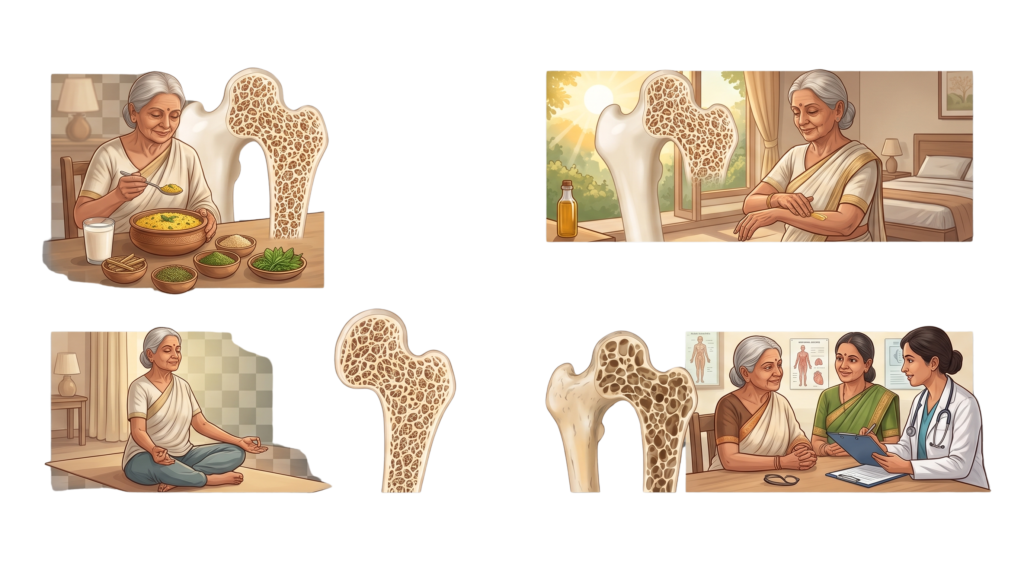
1. Regular, balanced meals
Ayurveda places importance on nourishing food and appropriate eating routines. In practical terms, this can encourage people to eat sufficient calories, include protein-rich foods, and obtain calcium and other essential nutrients consistently.
2. A sustainable daily routine
Regular sleep, appropriate movement, and manageable daily habits can support general health. A routine should be adapted to the person’s age, mobility, medical conditions, and fracture risk.
3. Mindful movement
Gentle movement, breathing practices, and relaxation may support wellbeing. However, yoga poses that involve forceful spinal bending, twisting, unsupported balance, or a risk of falling may be unsuitable for people with osteoporosis. Exercises should be selected with a qualified physiotherapist or healthcare professional when fracture risk is elevated.
4. Individualised care
Ayurveda traditionally emphasises individual differences. This can be a useful reminder that dietary needs, activity levels, and health goals vary from person to person. Individualised care should still include appropriate medical assessment and evidence-based treatment.
Can Ayurveda cure osteoporosis?
There is currently insufficient high-quality clinical evidence to conclude that Ayurveda, herbal remedies, or traditional preparations can independently cure osteoporosis or reliably prevent osteoporotic fractures.
Some traditional products may be marketed for bone strength, but marketing claims are not proof of effectiveness. Certain Ayurvedic preparations have also been found to contain potentially toxic metals, including lead, mercury, or arsenic. Product quality, ingredients, interactions, and safety therefore matter.
If you are considering an Ayurvedic preparation, discuss it with your healthcare professional and a qualified practitioner. Do not stop prescribed osteoporosis medication or delay a recommended bone-density assessment in favour of a natural remedy.
Nutrition for Stronger Bones: Essential Nutrients
Nutrition is one of the foundations of bone health, although no single food can prevent or cure osteoporosis.
Calcium
Calcium contributes to the mineral structure of bones. Suitable sources include:
Milk, yoghurt, and cheese
Calcium-fortified plant-based drinks
Calcium-set tofu
Some leafy green vegetables
Sardines or other small fish eaten with their bones
Certain seeds, beans, and fortified foods
The amount needed depends on age, sex, health status, and local dietary guidance. Food is often the best starting point. Supplements may be appropriate when dietary intake is insufficient, but taking excessive calcium without advice is not beneficial for everyone.
Vitamin D
Vitamin D helps the body absorb calcium and supports normal muscle function. Sources include oily fish, egg yolks, and foods fortified with vitamin D. The body can also produce vitamin D through sunlight exposure, although production varies with skin pigmentation, season, latitude, clothing, age, and other factors.
A supplement may be recommended when intake or vitamin D levels are inadequate. Ask a healthcare professional about the right dose, particularly if you have kidney disease or take regular medication.
Protein
Protein helps maintain muscles and supports the framework of bone. Include suitable foods such as eggs, dairy products, fish, poultry, beans, lentils, tofu, nuts, or seeds according to your dietary preferences.
Adequate muscle strength matters because stronger muscles can improve function and help reduce the risk of falls.
Other nutrients
Magnesium, phosphorus, vitamin K, and other micronutrients also play roles in normal bone function. A varied diet containing vegetables, fruit, whole grains, legumes, nuts, seeds, and appropriate protein sources can help meet many nutritional needs.
High-dose supplements are not automatically better. Correcting a deficiency is different from taking large quantities without a clear reason.
Benefits of Exercise for Bone Health

Exercise helps maintain strength, balance, mobility, and independence. Weight-bearing activities place an appropriate load on the skeleton, while resistance exercises help strengthen muscles.
Depending on ability and medical advice, useful activities may include:
Walking on a suitable, stable surface
Resistance exercises using appropriate weights or bands
Standing balance exercises with support when needed
Stair climbing or dancing for people who can safely perform them
Physiotherapy-led exercise for those with fractures, significant weakness, or mobility limitations
People with established osteoporosis should not assume every exercise is safe. High-impact movements, forceful twisting, repeated deep forward bends, and activities with a substantial fall risk may need to be avoided or modified. A physiotherapist can help create a suitable programme.
Consistency matters more than choosing an extreme workout. Begin at a level appropriate to your current ability and increase activity gradually.
How to Use Daily Habits to Support Bone Health
A practical bone-health routine should combine nutrition, activity, medical follow-up, and fall prevention.
In the morning: Include a nourishing breakfast with a source of protein and, where suitable, calcium-rich or fortified food. If you exercise in the morning, choose activities appropriate to your fitness and fracture risk.
During the day: Eat balanced meals, stay physically active within your limits, and avoid long periods of inactivity. If you work at a desk, take safe movement breaks.
In the evening: Prepare a balanced meal, maintain a regular sleep schedule, and make sure your home environment is safe for walking at night.
Throughout the week: Include suitable strength and balance activities, review your diet, and follow any treatment or exercise plan provided by your healthcare team.
At every stage: Avoid smoking, limit alcohol, take prescribed medication as directed, and discuss persistent pain or a previous low-impact fracture with a professional.
Fall Prevention: An Important Part of Osteoporosis Care
When bones are fragile, preventing falls becomes especially important. Small changes around the home can reduce avoidable risks.
Keep walking areas clear, remove loose rugs where they may cause trips, improve lighting, and install grab rails where needed. Wear stable footwear and have vision or balance problems assessed. If you experience dizziness, discuss it with a healthcare professional, particularly if you take medicines that can affect blood pressure or alertness.
If you have already fractured a bone, ask about a coordinated fracture-prevention plan. Treating osteoporosis and reducing the chance of another fall are both important parts of recovery.
Conclusion: Combine Traditional Wisdom with Evidence-Based Bone Care
Osteoporosis is a serious but manageable condition. Ageing, hormonal changes, nutrition, inactivity, family history, medical conditions, and certain medicines can all influence bone strength. Because the disease often develops without noticeable symptoms, appropriate assessment is essential for people at increased risk.
Ayurveda can offer a traditional framework for thinking about food, routine, mindful movement, and healthy ageing. These principles may complement a bone-health plan, but they should not be presented as a proven cure for osteoporosis.
For stronger bones, focus on adequate calcium, vitamin D, protein, suitable weight-bearing and resistance exercise, fall prevention, and medical care when needed. Supplements and herbal products should be used thoughtfully and with professional guidance.
At Vaarso Organic, we believe that Ayurveda is not just about medicine; it is also an art of living. When traditional wisdom is combined with reliable information and responsible healthcare, it can encourage a more balanced approach to lifelong wellbeing.
Medical disclaimer: This article is for general educational purposes only. It does not replace professional diagnosis, personalised medical advice, or prescribed osteoporosis treatment. Consult a qualified healthcare professional about your individual fracture risk, diet, supplements, exercise plan, or medicines.
Frequently Asked Questions (FAQs)
1. What is osteoporosis in simple words?
Osteoporosis is a condition in which bones lose density and strength, making them more likely to break. It often develops without symptoms until a fracture occurs.
2. Can Ayurveda cure osteoporosis?
There is not enough strong clinical evidence to say that Ayurveda alone can cure osteoporosis. Ayurvedic lifestyle principles may complement healthy habits, but diagnosis and evidence-based treatment remain important. More in depth: Osteoporosis: Diagnosis, Treatment and Steps to Take
3. Which foods are good for bone health?
Calcium-rich foods, adequate protein, vitamin D sources, vegetables, legumes, nuts, seeds, and fortified foods can contribute to a balanced bone-health diet. Individual requirements vary.
4. Does osteoporosis affect men?
Yes. Osteoporosis can affect men as well as women. Risk increases with age and may be influenced by low hormone levels, certain medicines, medical conditions, and lifestyle factors.
5. Is walking enough to prevent osteoporosis?
Walking is a useful weight-bearing activity, but it may not be sufficient on its own for everyone. A suitable programme may also include resistance and balance exercises, along with adequate nutrition and medical care when needed.
6. Does drinking milk prevent osteoporosis?
Milk provides calcium and protein, which support bone health, but drinking milk alone cannot guarantee prevention. People who do not consume dairy can consider suitable calcium-fortified alternatives and other calcium-rich foods.
7. Should everyone with osteoporosis take calcium and vitamin D supplements?
No. The need for supplements depends on dietary intake, vitamin D status, age, medical conditions, and treatment plan. A healthcare professional can advise whether supplementation is appropriate.
8. Is yoga safe for people with osteoporosis?
Some modified yoga and balance practices may be suitable, but certain poses involving deep forward bending, forceful twisting, or a risk of falling may be unsafe. Seek guidance from a qualified professional familiar with osteoporosis.
9. What are the early warning signs of osteoporosis?
Osteoporosis often has no early warning signs. A low-impact fracture, unexplained height loss, or certain types of back pain may prompt assessment, but diagnosis requires professional evaluation.
10. Can osteoporosis be reversed naturally?
Lifestyle changes can support bone health and help reduce fracture risk, but they may not be enough to treat established osteoporosis. Some medical treatments can slow bone loss or increase bone density. Treatment depends on individual risk.
11. Which vitamins are most important for bones?
Calcium is a mineral rather than a vitamin. Vitamin D supports calcium absorption, while adequate protein and other nutrients contribute to bone and muscle health. Supplements should be tailored to individual needs.
12. When should I ask a doctor about osteoporosis?
Seek advice if you have had a fracture after a minor fall, have significant risk factors, take long-term steroid medication, experience unexplained height loss, or are concerned about bone health. Your healthcare professional can determine whether testing or treatment is appropriate.