
Chikungunya: Symptoms, Treatment, Ayurvedic Support, Precautions & Prevention
Chikungunya is a viral illness spread to humans through the bite of an infected mosquito. It often begins suddenly, with fever and severe joint pain that can make even simple activities—walking, standing or holding a cup—uncomfortable. Although many people recover within a week, joint pain and fatigue may continue for weeks or months in some cases.
The illness can affect people in different parts of the world, particularly regions where Aedes mosquitoes are established. Because its symptoms overlap with dengue and other mosquito-borne infections, recognising the warning signs and seeking timely medical advice are essential.
At Vaarso Organic, we believe that wellness involves informed choices, balanced daily habits and respect for both traditional knowledge and modern healthcare. Ayurveda offers a traditional framework for understanding rest, diet, digestion and recovery. However, chikungunya is a viral infection, and Ayurvedic remedies have not been established as a cure for the virus. The safest approach combines appropriate medical assessment, evidence-based symptom management, supportive daily care and mosquito-bite prevention.
What Is Chikungunya? 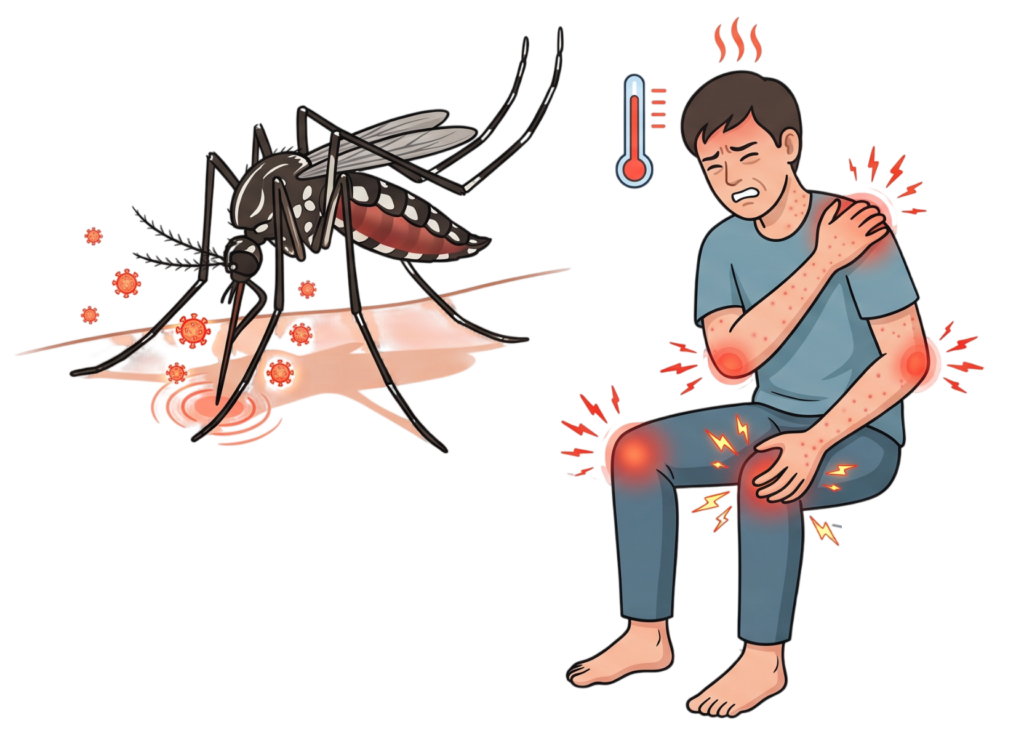
Chikungunya is an infectious disease caused by the chikungunya virus (CHIKV). It is mainly transmitted by infected female Aedes aegypti and Aedes albopictus mosquitoes. These mosquitoes can also transmit dengue and Zika viruses.
The word “chikungunya” is associated with a posture of bending or stooping because of the severe joint pain experienced by some patients.
After an infected mosquito bites a person, symptoms commonly develop within several days. The illness may occur in tropical and subtropical regions, but travel can introduce the virus into new areas where suitable mosquitoes are present.
Chikungunya does not ordinarily spread directly from one person to another through casual contact. The mosquito plays the central role in transmission. During the first week of illness, an infected person may have enough virus in their blood to infect another mosquito. That mosquito can subsequently spread the virus to someone else.
For this reason, preventing mosquito bites is important even after symptoms begin.
What Are the Symptoms of Chikungunya?
Symptoms usually appear around 3–8 days after an infected mosquito bite, although the timing can vary. Some people may experience mild illness, while others develop symptoms that significantly affect daily life.
1. Sudden fever
A high fever is one of the most recognisable symptoms. It may begin abruptly and occur alongside chills, weakness and body discomfort. Fever alone cannot confirm chikungunya because dengue, malaria and other infections can cause similar symptoms.
2. Severe joint pain
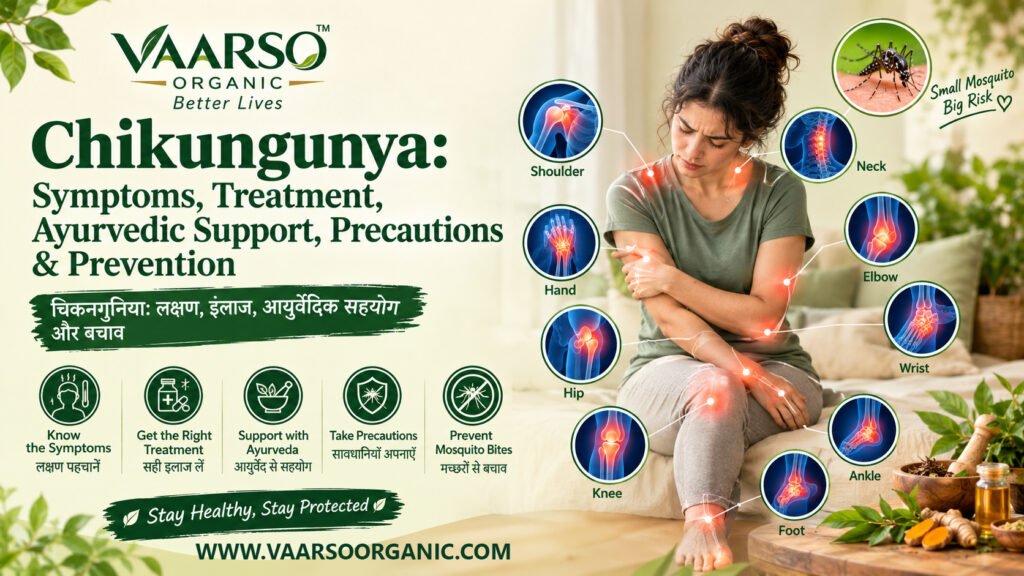
Joint pain is a hallmark of chikungunya. The hands, wrists, ankles, feet and knees may be affected. Pain can make walking, gripping objects or getting out of bed difficult. Some people experience joint swelling and stiffness.
Although many people improve within days, joint discomfort can persist for weeks or months. If pain continues, medical follow-up is important rather than assuming that it is simply a normal part of recovery.
3. Muscle pain and body aches
Muscle aches may accompany joint pain and fever. General discomfort can make ordinary household tasks and work feel exhausting.
4. Headache and fatigue
Headaches, low energy and unusual tiredness are also reported. Fatigue may continue after the fever has settled, so recovery should be gradual.
5. Skin rash
Some people develop a rash during the illness. Its appearance and timing vary, and a rash should be assessed in context with other symptoms.
6. Nausea and other symptoms
Nausea may occur, and some patients experience other symptoms. Less commonly, complications involving the eyes, heart or nervous system can occur.
Seek urgent medical attention for difficulty breathing, confusion, fainting, seizures, severe or persistent abdominal pain, repeated vomiting, bleeding, inability to drink, very little urine, unusual drowsiness or any rapid deterioration. Babies, older adults, pregnant people and those with significant underlying conditions may need especially prompt assessment.
Symptoms alone cannot reliably distinguish chikungunya from dengue. If fever and joint pain develop after mosquito exposure or travel to an affected area, contact a healthcare professional.
How Is Chikungunya Diagnosed?
A clinician considers the symptoms, travel history, local outbreaks and physical examination. Laboratory testing may be recommended to confirm chikungunya or investigate other illnesses.
Depending on how long symptoms have been present, testing may detect the virus directly or look for antibodies produced by the immune system. A healthcare professional can decide which test is appropriate and when it should be performed.
Dengue deserves particular attention because its symptoms overlap with chikungunya, but its complications and medication precautions differ. Do not self-diagnose based on fever, joint pain or a rash alone.
Modern Medical Treatment: What Helps?
There is currently no specific antiviral medicine that reliably cures chikungunya. Medical care focuses on relieving symptoms, maintaining hydration, monitoring for complications and supporting recovery.
1. Fever and pain management
Paracetamol, also known as acetaminophen, may be recommended for fever and pain when appropriate for the individual. Follow the product instructions and a clinician’s advice, especially for children, pregnancy, liver disease or use of other medicines containing paracetamol.
Avoid aspirin, ibuprofen, naproxen and other non-steroidal anti-inflammatory drugs (NSAIDs) until dengue has been ruled out by a healthcare professional. These medicines can increase bleeding risk in dengue. A clinician may consider anti-inflammatory treatment later if appropriate.
Do not start antibiotics, steroids, antimalarials or other prescription medicines on your own. Antibiotics do not treat the chikungunya virus, and unnecessary medicines may cause harm.
2. Rest and hydration
Rest during the acute fever phase. Drink water and other suitable fluids regularly. Oral rehydration solution may be useful when recommended, particularly if fever, sweating, vomiting or poor intake creates a risk of dehydration.
People with kidney, heart or other conditions that require fluid restrictions should follow their clinician’s instructions rather than increasing fluid intake indiscriminately.
3. Joint care and gradual movement
During severe fever and pain, avoid strenuous activity. As the acute illness settles, gentle movement within comfortable limits may help reduce stiffness. Do not force painful joints or return immediately to intense exercise.
If joint pain persists, a clinician may assess for post-viral joint inflammation and recommend individualised treatment, physiotherapy or other appropriate care.
4. Follow-up and monitoring
Seek reassessment if symptoms worsen, fever persists, new symptoms develop or recovery stalls. Persistent joint pain should not be ignored, particularly when it affects sleep, walking or everyday tasks.
For more detail, consult the WHO chikungunya fact sheet and the CDC guidance on treatment and prevention.
Ayurvedic Perspective on Chikungunya: A Supportive, Not Curative, Approach
Ayurveda is a traditional system of health that considers the relationship between food, daily routine, digestion, rest and overall wellbeing. Its classical concepts can provide a cultural framework for discussing how a person cares for themselves during illness. They should not be confused with laboratory-confirmed explanations of viral infection.
In Ayurvedic interpretation, fever may be discussed through the concept of Jwara, while pain, stiffness and reduced mobility may be considered through traditional ideas involving Vata and other doshas. These are concepts within Ayurveda; they do not establish the presence of the chikungunya virus or replace modern diagnosis.
There is not enough high-quality clinical evidence to identify a specific Ayurvedic medicine or treatment protocol as a cure for chikungunya. A responsible Ayurvedic approach should therefore focus on safe supportive practices, professional supervision and coordination with medical care.
1. Individual assessment by a qualified practitioner
If you wish to include Ayurveda in your recovery, consult a qualified Ayurvedic practitioner and tell them about your diagnosis, symptoms, existing conditions, pregnancy status and every medicine or supplement you use.
The acute phase of a febrile illness is not the time to experiment with several herbs, strong detoxification procedures, fasting regimens or unverified mixtures. The practitioner should recognise warning signs and refer you for urgent medical care when necessary.
2. Ahara: simple, nourishing food
Ahara, or food, is an important concept in Ayurveda. During illness, appetite may decrease, and heavy meals may feel uncomfortable. Choose foods that are easy for you to tolerate while still providing energy and nutrients.
Depending on your usual diet and tolerance, suitable options may include:
Soft rice, porridge or other well-cooked grains.
Lentil soup or other well-cooked legumes if tolerated.
Cooked vegetables and light soups.
Fruit, yoghurt or other familiar foods that suit your digestion.
Regular fluids appropriate to your health needs.
There is no single diet that cures chikungunya. Do not force food when nauseated, but seek medical advice if you cannot eat or drink adequately. Avoid restrictive “detox” diets that could reduce your energy intake during recovery.
3. Vihara and Dinacharya: rest and a gentle routine
Vihara refers broadly to lifestyle and behaviour, while Dinacharya describes daily routine in Ayurveda. These ideas can be applied in a practical, modern way.
During fever, prioritise sleep, rest and comfortable surroundings. Once you begin to improve, gradually resume daily activities according to your energy and joint comfort. Short, gentle movements may be more suitable than prolonged bed rest after the acute phase, but strenuous exercise should wait until recovery allows it.
Traditional wisdom about moderation and regularity can complement medical advice. It should not be interpreted as a requirement to follow a rigid schedule while ill.
4. Herbs and traditional preparations: use caution
Plants such as tulsi, ginger, turmeric and giloy are discussed in traditional wellness practices. However, their traditional use does not prove that they eliminate chikungunya virus, prevent complications or shorten the illness.
There is no established universal dose or evidence-based herbal protocol for curing chikungunya. Concentrated extracts, multi-herb formulations and products of uncertain quality may cause side effects or interact with medicines. Some Ayurvedic preparations have also been found to contain toxic metals, including lead, mercury or arsenic.
If considering an herbal product, ask a qualified clinician or pharmacist to review its ingredients, quality, suitability and potential interactions. Do not use herbs instead of medical assessment, and do not stop prescribed medicines without advice.
5. Avoid forceful massage or unverified therapies
When joints are swollen or acutely painful, avoid vigorous massage, painful manipulation, excessive heat or any treatment that makes symptoms worse. There is no good basis for claiming that these practices remove the virus from the body.
If pain persists, seek a medical assessment before trying massage, oils, heat treatments or intensive therapies. A personalised rehabilitation plan may be helpful after serious causes and complications have been considered.
6. Snehana, Swedana and Panchakarma: why timing matters
Traditional Ayurvedic practice includes oil-based treatments, heat therapies and Panchakarma procedures for selected circumstances. These should not be treated as standard acute chikungunya treatments.
During fever, dehydration, significant weakness or an undiagnosed illness, intensive procedures may be inappropriate. There is no established evidence that Panchakarma or sweating therapies cure chikungunya. Consider any such treatment only after medical assessment and a qualified practitioner’s advice, particularly if symptoms persist.
The key principle is simple: use traditional practices to support comfort and routine where appropriate—not to delay diagnosis or promise a cure. Reference by: National Center for Complementary and Integrative Health: Ayurvedic Medicine
Food, Hydration and Daily Care During Recovery
Recovery is not just about reducing fever. The body also needs enough fluid, energy, sleep and time to regain strength.
Eat according to appetite: Choose regular, nourishing meals in portions you can tolerate.
Include varied foods: Grains, vegetables, fruits and protein sources help meet ordinary nutritional needs.
Drink regularly: Water and suitable fluids can help prevent dehydration. Seek advice if you cannot keep fluids down.
Sleep sufficiently: Fatigue can linger, so allow extra recovery time.
Move gradually: Resume walking and everyday activity in stages, guided by symptoms and clinical advice.
Track persistent symptoms: Note ongoing joint pain, swelling, weakness or limitations so you can discuss them at follow-up.
No special food, juice or supplement has been proven to eliminate the virus. Supplements are not automatically safe simply because they are labelled natural.
Precautions: How to Prevent Chikungunya 
Preventing mosquito bites is the most effective way to reduce the risk of infection. The mosquitoes that transmit chikungunya can bite during daylight hours, so protection should not be limited to nighttime.
1. Use an effective mosquito repellent
Choose a locally approved repellent and follow its label instructions. Use it on exposed skin and clothing as directed. Parents and caregivers should follow age-specific instructions for children and avoid applying products where the label advises against it.
2. Wear protective clothing
Long sleeves, long trousers and suitable footwear can reduce exposed skin. Clothing treated with an approved insecticide may offer additional protection when used according to instructions.
3. Keep living spaces protected
Use window and door screens where possible. Air conditioning can help limit mosquito entry when it allows windows and doors to remain closed. Use a properly fitted mosquito net when sleeping in an unscreened area; nets are especially important for infants and people who sleep during the day.
4. Remove standing water
Mosquitoes can breed in water held in containers. At least weekly, inspect and empty, scrub, cover or properly dispose of items such as buckets, flowerpot saucers, tyres, tanks and discarded containers. Follow local public-health advice for water storage and breeding-site control.
5. Prevent onward transmission during illness
During the first week of chikungunya illness, take extra care to avoid mosquito bites. A mosquito that bites an infected person may later transmit the virus to another person. Repellent, screens, protective clothing and nets can help interrupt this cycle.
6. Ask about vaccination when relevant
Chikungunya vaccines have received regulatory approval in some countries, but availability and recommendations differ by location and individual circumstances. Ask a qualified healthcare professional or travel clinic whether vaccination is recommended for you. Do not assume that a vaccine is available or appropriate everywhere.
Who Needs Extra Caution?
Chikungunya can affect people of any age, but some groups may face a greater risk of severe illness or slower recovery:
Newborns and young infants.
Older adults, particularly those over 65.
Pregnant people, especially near delivery.
People with diabetes, high blood pressure, heart disease or other significant health conditions.
If you belong to one of these groups and develop fever after possible mosquito exposure, seek prompt medical advice. Do not rely on home remedies alone.
An Ayurvedic and Cultural Reflection on Recovery
Traditional Indian health philosophy often emphasises Ahara (food), Vihara (lifestyle), moderation and awareness of the body’s changing needs. These ideas can be useful reminders during recovery: eat what you can tolerate, rest when exhausted, return to activity gradually and ask for help when symptoms are concerning.
The broader lesson is not that ancient practices replace modern medicine. Rather, traditional wisdom and contemporary healthcare can have different roles. A thoughtful approach respects cultural knowledge while checking health claims against reliable evidence.
Chikungunya recovery can be frustrating when joint pain lasts longer than the fever. Patience, appropriate clinical follow-up and practical support from family or caregivers may matter more than searching for a single “miracle” ingredient.
Conclusion
Chikungunya is a mosquito-borne viral illness best recognised by sudden fever and often severe joint pain. Most people improve, but some experience prolonged joint symptoms or fatigue, and certain groups are at higher risk of complications.
There is no specific antiviral cure. Timely medical assessment, appropriate fever and pain management, hydration, rest and monitoring form the foundation of care. Until dengue has been ruled out, avoid aspirin and NSAIDs unless a healthcare professional specifically advises otherwise.
Ayurveda can offer a traditional framework for gentle food choices, rest and daily routine, but no Ayurvedic herb or procedure should be presented as a proven cure for chikungunya. Combine cultural wisdom with qualified medical care, and protect yourself and your community by reducing mosquito exposure.
Health disclaimer: This article is for general educational purposes only and is not a diagnosis or a personalised treatment plan. Seek professional medical advice for suspected chikungunya, worsening symptoms, persistent joint pain or concerns about medicines and herbal products. Reference by: World Health Organization (WHO): Chikungunya fact sheet, CDC: Chikungunya symptoms
Frequently Asked Questions (FAQs)
1. What is chikungunya, and how does it spread?
Chikungunya is a viral illness spread mainly through bites from infected Aedes mosquitoes. It is not ordinarily transmitted through casual person-to-person contact.
2. What are the first symptoms of chikungunya?
Sudden fever and joint pain are common early symptoms. Headache, muscle pain, fatigue, joint swelling and rash may also occur.
3. How long does chikungunya last?
Many people begin feeling better within about a week, but joint pain and fatigue can persist for weeks or months. Recovery varies, and persistent symptoms deserve medical review.
4. Is there a specific medicine that cures chikungunya?
No specific antiviral treatment is currently established for chikungunya. Treatment focuses on symptom relief, hydration, rest and monitoring for complications.
5. Can Ayurveda cure chikungunya?
There is insufficient high-quality clinical evidence that Ayurveda or any specific Ayurvedic herb cures chikungunya. Traditional approaches may support general comfort and routine, but they should not replace medical care.
6. Which Ayurvedic herbs are used traditionally during fever or joint discomfort?
Tulsi, ginger, turmeric and other plants appear in traditional wellness practices, but this does not establish that they treat the chikungunya virus. Consult a qualified practitioner and clinician before using concentrated extracts or herbal formulations.
7. Can I take ibuprofen for chikungunya joint pain?
Do not take ibuprofen, aspirin or other NSAIDs until dengue has been ruled out by a healthcare professional. A clinician can advise whether an anti-inflammatory medicine is appropriate later.
8. What foods are suitable during chikungunya recovery?
Choose familiar, nourishing foods that you can tolerate, such as cooked grains, soups, vegetables, fruit and suitable protein sources. Maintain adequate hydration and seek help if nausea or weakness prevents you from eating or drinking.
9. Can chikungunya cause long-term joint pain?
Yes. Some people experience joint pain or stiffness for months, and occasionally longer. Follow up with a healthcare professional if symptoms persist or interfere with daily life.
10. How can I protect my family from chikungunya?
Use effective mosquito repellent, wear protective clothing, fit screens where possible, remove standing water and protect an infected person from mosquito bites during the first week of illness.
11. Is chikungunya dangerous?
Many cases resolve without serious complications, but severe illness can occur. Infants, older adults, pregnant people and people with underlying health conditions need particular care. Seek urgent help for warning signs or rapid deterioration.
12. Is there a vaccine for chikungunya?
Vaccines have received approval in some countries, but availability and recommendations vary. Ask a healthcare professional or travel clinic for current advice relevant to your location and circumstances.