
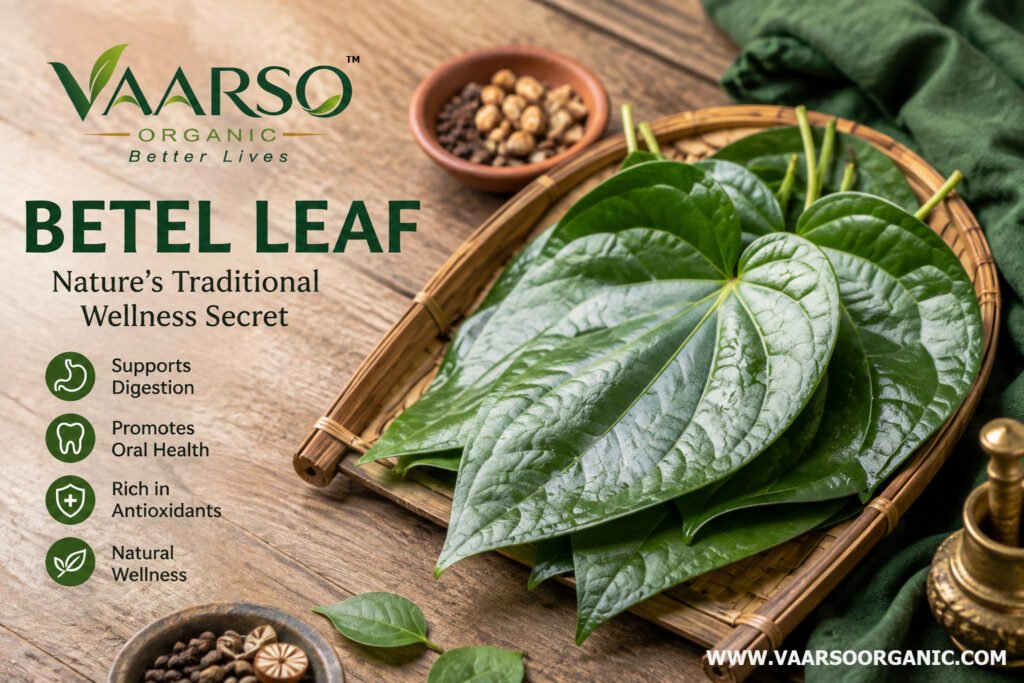
Betel Leaf Benefits: What Does This Traditional Leaf Really Offer?
There are some traditional ingredients that have been part of everyday life for centuries. Betel leaf is one of them. Known as Paan Patta or Nagavalli in different parts of South Asia, this aromatic green leaf has traditionally been used after meals, in cultural practices and in various herbal preparations.
Today, many people are becoming interested in betel leaf benefits because of its traditional connection with digestion, oral freshness and general wellness. You may also find claims that betel leaves can help manage uric acid, acidity, cough and several other health concerns.
But how much can we actually expect from this traditional leaf?
Betel leaf (Piper betle) contains naturally occurring plant compounds that have been studied for antioxidant and other biological properties. However, it is important to separate traditional use from scientifically established medical treatment. Betel leaf should not be considered a medicine or a replacement for prescribed treatment, particularly for conditions such as gout, high uric acid or chronic digestive disorders.
In this detailed guide from Vaarso Organic, we’ll explore the most important betel leaf benefits, its traditional uses, nutrition, possible digestive benefits, how to consume it and important precautions to keep in mind.
What Is Betel Leaf?
Betel leaf comes from Piper betle, a perennial climbing plant belonging to the pepper family.
The plant grows particularly well in warm and humid climates and has been cultivated for generations throughout parts of India, Bangladesh, Sri Lanka, Myanmar, Thailand, Indonesia and other regions of South and Southeast Asia.
The leaves are heart-shaped, glossy and naturally aromatic. Their slightly spicy and refreshing flavour makes them popular in traditional food and chewing preparations.
Betel leaves also have cultural significance. They are commonly associated with hospitality, celebrations and religious ceremonies in several cultures.
When discussing the betel leaf benefits, however, it is essential to distinguish between plain betel leaf and paan preparations.
Plain betel leaf is simply the leaf.
Traditional or commercial paan may contain areca nut, tobacco, slaked lime, sweeteners and other ingredients. Areca nut and tobacco should not be considered part of the health benefits of betel leaf, and tobacco-containing or areca-nut chewing products carry significant health risks.
Betel Leaf Benefits for Everyday Wellness
Betel leaves contain a variety of naturally occurring phytochemicals, including phenolic compounds, flavonoids and aromatic components.
Traditional wellness practices have used the leaves for several purposes.
Let’s look at the potential betel leaf benefits in more detail.
1. Betel Leaf Benefits for Digestion
Supporting digestion is one of the best-known traditional uses of betel leaf.
In many households, a fresh betel leaf has traditionally been consumed after meals. Its aromatic nature and characteristic flavour are thought to contribute to the feeling of freshness and digestive comfort that some people experience after eating.
Some people traditionally chew a plain betel leaf after a heavy meal.
However, if you regularly experience:
- Bloating
- Severe acidity
- Persistent constipation
- Frequent heartburn
- Abdominal pain
- Nausea
- Indigestion
it is important to look beyond home remedies.
Occasional digestive discomfort may be related to eating habits, but persistent symptoms can sometimes indicate an underlying digestive condition.
A healthy digestive routine should include adequate fibre, sufficient water, regular movement and a varied diet.
Betel leaf can be viewed as a traditional wellness ingredient rather than a cure for digestive disease.
2. Betel Leaf and Uric Acid: What Does the Evidence Say?
One of the most common claims associated with betel leaf is that it can help control high uric acid.
So, can betel leaf reduce uric acid?
This requires a careful answer.
Betel leaves contain plant compounds that are being investigated for various biological activities. However, there is currently insufficient high-quality human evidence to establish betel leaf as an effective treatment for high uric acid or gout.
High uric acid can be associated with several factors, including genetics, kidney function, body weight, certain medications, alcohol consumption and dietary patterns.
If a blood test shows elevated uric acid, it is better to understand the underlying cause and follow appropriate medical advice.
People who have gout should not stop prescribed medication and replace it with betel leaves.
Therefore, when discussing betel leaf benefits for uric acid, it is more accurate to say that betel leaf is a traditional plant of interest—not a clinically proven uric-acid treatment.
3. Antioxidant Properties of Betel Leaf
Another area of interest among researchers is the antioxidant potential of betel leaf.
Plants contain numerous naturally occurring compounds that help protect them from environmental stress. Some of these phytochemicals are also being studied for their potential role in human health.
Betel leaves contain phenolic compounds and other plant constituents with antioxidant activity observed in laboratory research.
Antioxidants are part of a healthy diet because the body naturally produces free radicals during normal metabolic processes.
However, eating one particular leaf does not provide complete protection against oxidative stress.
A better approach is to eat a colourful and varied diet that includes:
- Green vegetables
- Seasonal fruits
- Beans and legumes
- Whole grains
- Nuts and seeds
- Herbs and spices
This is consistent with the Vaarso Organic approach to natural wellness—focus on quality ingredients and healthy habits rather than looking for one magical ingredient.
4. Traditional Oral Health and Freshness
Betel leaf has traditionally been chewed after meals and is valued for its strong natural aroma.
Some of the compounds present in betel leaf have also been studied for antimicrobial activity. This is one reason the leaf has attracted interest in traditional oral-care practices.
But chewing betel leaf does not replace proper dental hygiene.
For healthy teeth and gums, continue to:
- Brush twice a day
- Clean between your teeth
- Limit excessive sugar
- Visit your dentist regularly
- Maintain good oral hygiene
And there is an especially important point to remember.
Plain betel leaf is not the same as tobacco paan.
Adding tobacco or areca nut changes the health profile considerably. Regular chewing of areca nut and tobacco-containing products is associated with serious oral-health risks.
If you’re interested in the traditional betel leaf benefits, choose plain, clean leaves rather than tobacco or areca-nut preparations.
5. Traditional Use for Cough and Throat Comfort
Betel leaf has also been used traditionally in several household preparations for cough, cold and throat discomfort.
Some traditional preparations combine betel leaf with ingredients such as honey or warming spices.
For an adult experiencing minor throat irritation, such preparations may feel soothing. But this should not be confused with treating the underlying cause of an infection.
A common cold generally improves with rest, fluids and time.
Seek medical attention if you experience symptoms such as:
- Difficulty breathing
- Chest pain
- Persistent high fever
- Severe weakness
- Symptoms that keep getting worse
- Cough lasting unusually long
Also remember that honey should never be given to children below one year of age.
Betel Leaf Nutrition: What Does It Contain?
When discussing betel leaf benefits, nutrition is another interesting area.
Betel leaf is generally consumed in relatively small quantities, so it should not be considered a major source of calories, protein or essential micronutrients.
Nevertheless, the leaf contains naturally occurring compounds that contribute to its aroma, flavour and potential biological activity.
Depending on the plant variety, growing conditions and preparation, betel leaves can contain:
- Small amounts of vitamins
- Minerals
- Dietary fibre
- Phenolic compounds
- Flavonoids
- Essential-oil components
- Other naturally occurring phytochemicals
The exact nutritional composition can vary.
For this reason, betel leaf is best considered a traditional herbal food ingredient, rather than a replacement for a nutrient-rich diet or dietary supplement.
How to Use Betel Leaf
If you want to explore the traditional betel leaf benefits, keeping the preparation simple is generally the most sensible approach.
1. Plain Betel Leaf After Meals
Take one fresh betel leaf and wash it thoroughly.
Remove the stalk if you prefer and chew the leaf slowly.
There is no need to add tobacco, areca nut or excessive sweeteners.
Some people traditionally consume betel leaf after meals for its refreshing flavour and digestive association.
If you notice mouth irritation, burning, stomach discomfort or any allergic reaction, discontinue use.
2. Betel Leaf With Honey
Betel leaf and honey are traditionally combined in some household preparations.
Wash one fresh leaf thoroughly and use a small amount of honey.
This combination is traditionally used for throat comfort.
However, honey is a source of sugar, so people monitoring their blood glucose should take this into account.
Again, honey should never be given to infants under one year of age.
3. Betel Leaf in Traditional Herbal Preparations
Betel leaves may also be used as an ingredient in traditional herbal preparations.
Fresh leaves and concentrated extracts are not equivalent.
A concentrated extract may contain significantly higher levels of certain plant compounds than a fresh leaf. Therefore, herbal extracts should be used according to the manufacturer’s directions and, when appropriate, professional advice.
Can You Eat Betel Leaf Every Day?
There is no universally established medicinal daily dose of betel leaf for treating a particular health condition.
Traditional food use should also not be confused with medicinal dosing.
For a healthy adult, occasional consumption of a clean, fresh betel leaf may fit into a balanced lifestyle. However, consuming large quantities every day because of claims that it can “remove uric acid” or “cure acidity” is not supported by sufficient clinical evidence.
Always wash fresh leaves properly before consuming them.
Most importantly, avoid combining betel leaves with tobacco or areca nut.
Betel Leaf for Acidity, Gas and Indigestion
Traditional use of betel leaf is closely associated with post-meal digestive comfort.
Some people enjoy chewing a plain leaf after eating because of its aromatic and refreshing character.
But frequent acidity should not simply be dismissed as poor digestion.
Recurring heartburn, acid reflux, stomach pain or bloating can sometimes be linked to gastrointestinal conditions that require proper diagnosis.
Lifestyle habits can make a meaningful difference:
Eat slowly
Taking your time while eating can make meals easier to manage.
Include fibre
Vegetables, fruits, whole grains, legumes, nuts and seeds can help support a balanced diet.
Stay hydrated
Adequate fluid intake supports normal digestive function.
Stay active
Regular physical activity supports overall metabolic and digestive wellness.
Avoid known triggers
If certain foods consistently cause discomfort, identify and manage your personal triggers.
Betel Leaf and Traditional Herbal Wellness
Betel leaf is only one of many plants traditionally used for wellness.
Another well-known traditional herbal combination is Triphala, made from three fruits and widely used in Ayurvedic traditions.
For readers interested in traditional digestive wellness, Vaarso Organic’s Triphala Powder is another option to explore.
Triphala should be used according to the product’s recommended directions and should not be treated as a replacement for medical treatment.
At Vaarso Organic, the focus is on bringing traditional ingredients into modern lifestyles while encouraging responsible and informed use.
Who Should Be Careful With Betel Leaf?
Natural does not automatically mean suitable for everyone.
Speak with a healthcare professional before regularly using herbal preparations if you:
- Are pregnant or breastfeeding
- Take prescription medicines
- Have kidney or liver problems
- Have a chronic digestive condition
- Have known plant allergies
- Have diabetes and are using honey with betel leaf
- Plan to use concentrated betel-leaf extracts
And once again, avoid preparations containing tobacco or areca nut.
Important Difference Between Betel Leaf and Areca Nut Paan
This deserves special attention.
The term “paan” is sometimes used broadly, but the ingredients matter.
Betel leaf:
The fresh leaf of Piper betle.
Areca nut:
The seed of the areca palm, commonly included in chewing preparations.
Tobacco:
An addictive substance sometimes added to chewing products.
These are not interchangeable.
When researching betel leaf benefits, make sure you’re talking specifically about the leaf and not assuming that the effects or risks of a complete paan preparation are the same.
Betel Leaf as Part of a Balanced Lifestyle
A healthy lifestyle doesn’t need to be complicated.
Instead of searching for one food that can solve every health concern, build a routine around several simple habits.
Eat a diverse diet.
Drink enough water.
Move your body regularly.
Get adequate sleep.
Manage stress.
Maintain a healthy weight.
Avoid tobacco.
Limit excessive alcohol.
And don’t ignore symptoms that persist.
Traditional ingredients such as betel leaf and other herbs can be part of a broader wellness lifestyle, but they work best when used sensibly.
Final Thoughts on Betel Leaf Benefits
The story of betel leaf is a good example of how traditional knowledge and modern health information can exist together.
There is a long history of using this aromatic leaf in food, culture and traditional wellness practices. Its natural phytochemicals have also attracted scientific interest.
The potential betel leaf benefits include its traditional association with digestive comfort, oral freshness and antioxidant activity.
At the same time, it is important not to overstate what the evidence tells us.
Betel leaf has not been proven to cure high uric acid, gout, acidity or other medical conditions.
If you have high uric acid or another diagnosed health condition, follow appropriate medical advice. Natural ingredients can complement healthy habits, but they should not replace necessary treatment.
For Vaarso Organic, natural wellness means making informed choices, using quality ingredients and respecting both traditional knowledge and modern evidence.
Nature can be part of a healthier lifestyle—but using nature wisely is what makes the difference.
Frequently Asked Questions About Betel Leaf Benefits
1. What are the main betel leaf benefits?
The most commonly discussed betel leaf benefits include its traditional use for digestive comfort, oral freshness and general wellness. Betel leaf also contains naturally occurring phytochemicals with antioxidant activity observed in research.
2. Can betel leaf reduce uric acid?
There is currently insufficient high-quality human evidence to say that betel leaf lowers uric acid or treats gout. People with high uric acid should follow medical advice and appropriate lifestyle measures.
3. Is betel leaf good for digestion?
Betel leaf has traditionally been consumed after meals and is associated with digestive comfort. However, recurring indigestion, acidity, bloating or abdominal pain should be evaluated by a healthcare professional.
4. How should I use betel leaf?
A fresh leaf can be washed thoroughly and chewed plain. Some traditional preparations combine it with small amounts of honey or other ingredients. Avoid tobacco and areca nut.
5. Can I eat betel leaf every day?
There is no established medicinal daily dose for treating health conditions. Occasional consumption of a clean fresh leaf may be suitable for many healthy adults, but it should not replace medical treatment.
6. Is betel leaf the same as paan?
No. Betel leaf is the leaf of Piper betle. Paan may contain betel leaf along with areca nut, tobacco, lime, sweeteners and other ingredients. The health effects are therefore not the same.
7. Does betel leaf help with acidity?
Betel leaf has a traditional association with digestive comfort after meals. However, it should not be relied upon to treat chronic acidity or acid reflux.
8. What nutrients are present in betel leaf?
Betel leaves contain small amounts of nutrients along with phytochemicals such as phenolic compounds, flavonoids and aromatic components. Their composition varies depending on variety and growing conditions.
9. Can betel leaf be used with honey?
Betel leaf and honey are used together in some traditional practices. Adults may use a small amount, but honey must not be given to infants below one year of age.
10. Is betel leaf good for oral health?
Betel leaf has traditionally been used for oral freshness, and some of its compounds have been studied for antimicrobial activity. However, it cannot replace regular brushing, flossing and professional dental care.
11. Can betel leaf replace medicine?
No. Betel leaf should not replace prescribed medicines, particularly for gout, high uric acid, diabetes, kidney disease, infections or other diagnosed conditions.
12. What other Vaarso Organic products can I explore for digestive wellness?
Vaarso Organic offers traditional herbal products such as Vaarso Triphala Powder, which can be explored as part of a broader natural wellness routine. Always follow the recommended product directions.