
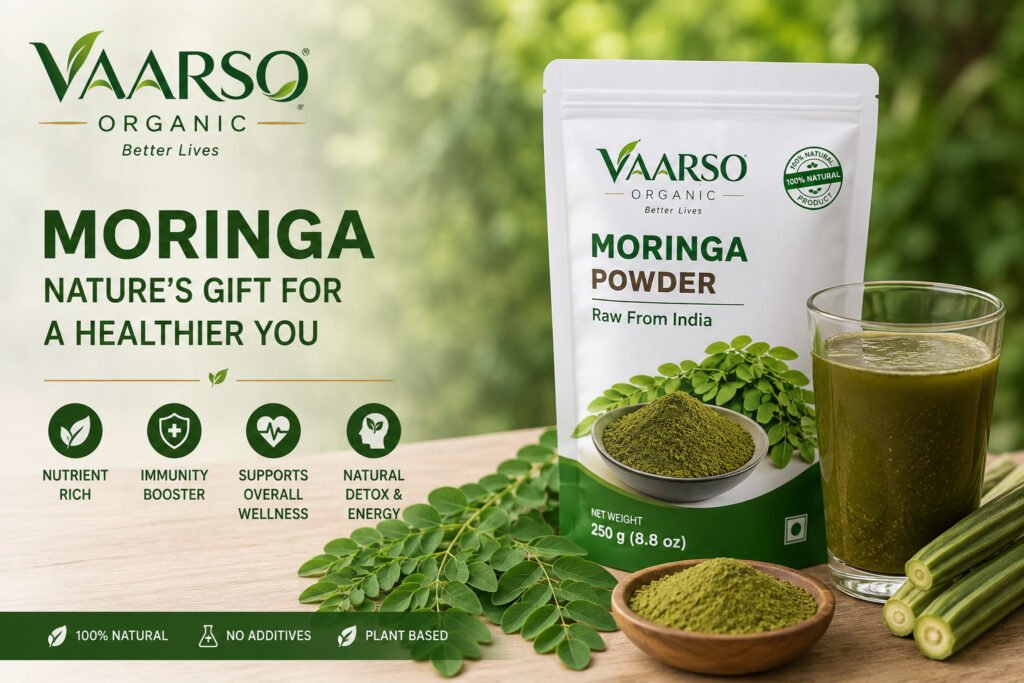
There are some plants that have been part of traditional diets for generations and have gradually attracted attention around the world. Moringa oleifera is one of them.
Known as moringa, drumstick tree, miracle tree, or horseradish tree, this green leafy plant is now used in many parts of Asia, Africa and other tropical and subtropical regions. Its leaves, immature pods and seeds have different culinary and traditional uses, while moringa leaf powder has become a convenient way to add plant-based nutrients to everyday meals.
In traditional wellness discussions, moringa is sometimes described as a plant that can help with hundreds of health problems. You may even come across claims such as “moringa can cure 300 diseases.” Such statements are attractive, but they should not be treated as medical facts.
Moringa is certainly a nutrient-rich plant, but no single food can cure every disease. Research on moringa is promising in some areas, yet human evidence is still limited for many of the therapeutic claims made about it.
At Vaarso Organic, we believe natural wellness starts with understanding what we consume. So, instead of presenting moringa as a miracle cure, let’s look at its nutritional value, potential benefits, everyday uses and practical ways to include it in a balanced diet.
What Is Moringa?
Moringa is obtained from the Moringa oleifera tree, a fast-growing plant belonging to the Moringaceae family. It is widely cultivated in tropical and subtropical parts of the world.
Almost every part of the tree has been used traditionally, including its leaves, flowers, immature pods, seeds, bark and roots. However, these different parts are not interchangeable. The leaves and young pods are commonly used as food, while concentrated preparations made from other parts require considerably more caution.
For everyday nutrition, moringa leaves and moringa leaf powder are the most practical choices.
Fresh leaves can be cooked like other leafy vegetables. Dried leaves can be ground into a fine green powder and added to smoothies, soups, curries or other foods.
This makes moringa particularly interesting for people looking for simple plant-based ingredients that can fit into an ordinary diet.
Why Is Moringa Called a Nutrient-Rich Plant?
Moringa leaves contain a combination of protein, dietary fibre, minerals, vitamins and plant compounds.
Research on dried moringa leaves has found meaningful amounts of protein and minerals, although the exact nutritional composition varies depending on factors such as growing conditions, processing and storage.
Moringa leaves are also known to contain various phytochemicals, including flavonoids, phenolic compounds, carotenoids, glucosinolates and other plant compounds that are being studied for their biological activity.
Nutrients commonly associated with moringa include:
- Protein
- Dietary fibre
- Calcium
- Potassium
- Magnesium
- Iron
- Vitamin A-related carotenoids
- Vitamin C
- Various B vitamins
- Plant antioxidants and polyphenols
However, it is important not to assume that every moringa powder contains the same amount of each nutrient. Processing methods can also affect nutrient levels.
Moringa Benefits: What Does Research Suggest?
Moringa is often discussed for a long list of potential health benefits. Some of these have been investigated in laboratory and animal studies, while a smaller number have been studied in humans.
The important distinction is that a potential biological effect is not the same as a proven treatment for a disease.
Here are some of the more reasonable ways to understand the potential benefits of moringa as part of a healthy diet.
1. Provides Plant-Based Nutrients
One of the strongest reasons to include moringa in food is its nutritional profile.
Moringa leaves provide protein, minerals, vitamins and various plant compounds. Adding a small amount of leaf powder to meals can therefore be one way of increasing dietary variety.
This does not mean moringa should replace vegetables, fruits, legumes or other nutritious foods. Instead, think of it as one more plant ingredient in a balanced diet.
2. Contains Antioxidant Plant Compounds
Moringa leaves contain several compounds with antioxidant activity, including polyphenols and flavonoids.
Antioxidants are substances that help protect cells from oxidative damage associated with reactive molecules in the body. Moringa’s antioxidant properties have been demonstrated in laboratory and experimental research, although the effects of consuming moringa in real-world human diets are still being studied.
This is one reason moringa continues to attract interest in nutritional research.
3. May Support a Balanced Diet for Metabolic Health
Researchers have investigated moringa leaves and leaf powder in relation to blood glucose and lipid metabolism.
Some early human studies have reported possible improvements in glucose or lipid-related measures. However, more recent evidence remains cautious. A 2025 meta-analysis of randomized trials found that moringa supplementation did not consistently improve most cardiometabolic outcomes, and the overall certainty of evidence was very low.
So, moringa may be a useful nutritious food, but it should not replace diabetes, cholesterol or blood-pressure medication.
4. May Complement Heart-Healthy Eating
A heart-friendly lifestyle is built around the overall pattern of eating and living rather than one ingredient.
Moringa can fit into this pattern because its leaves provide plant nutrients and can be used alongside vegetables, legumes, whole grains, fruits and other minimally processed foods.
Some research has explored possible effects of moringa on blood pressure and lipid levels, but the evidence is not strong enough to consider moringa a treatment for cardiovascular disease.
A healthy diet, regular physical activity, adequate sleep and appropriate medical care remain much more important.
5. Provides Iron and Other Minerals
Moringa leaves contain minerals such as iron, calcium, potassium and magnesium.
Iron is needed for normal oxygen transport in the body, while calcium and magnesium have important roles in bones, muscles and other normal body functions.
However, eating moringa does not automatically correct an iron deficiency or anaemia. If blood tests show iron deficiency, the cause should be investigated and treatment should follow professional medical advice.
6. Supports Dietary Variety
This may sound simple, but it is one of the most practical benefits.
Many people repeatedly eat the same foods every day. Adding small amounts of different herbs, leafy greens, seeds and plant foods can make a diet more varied.
Moringa powder can be particularly convenient for people who do not always have access to fresh moringa leaves.
Moringa and Traditional Wellness
Moringa has a long history of traditional use in South Asian and African cultures.
Different parts of the plant have been used traditionally for a variety of purposes, including digestive, inflammatory and other health-related concerns. Modern research has also investigated antioxidant, anti-inflammatory, metabolic and other biological effects.
But traditional use and modern medical evidence are not exactly the same thing.
A traditional preparation may have cultural and historical value without being clinically proven to treat a particular disease. This distinction becomes especially important when discussing serious conditions such as cancer, diabetes, high blood pressure or heart disease.
Moringa Nutrition: What Makes the Leaves Special?
The nutritional value of moringa leaves is one of the main reasons they are sometimes described as a “superfood.”
Studies have reported considerable protein levels in dried moringa leaves, along with minerals and other nutrients. One study found protein levels around 23–29% in the dried leaves it examined, although values can vary considerably between samples.
Moringa leaves also contain naturally occurring plant compounds such as:
Protein
Protein contributes to the maintenance of muscles and other tissues and forms an important part of a balanced diet.
Fibre
Dietary fibre supports normal digestive function and contributes to overall dietary quality.
Calcium
Calcium is important for normal bones and teeth and also participates in muscle and nerve function.
Potassium
Potassium is an essential mineral involved in fluid balance, nerve function and normal muscle activity.
Magnesium
Magnesium participates in numerous biochemical reactions throughout the body.
Iron
Iron is required for haemoglobin formation and normal oxygen transport.
Carotenoids and polyphenols
These plant compounds contribute to the nutritional and antioxidant profile of moringa leaves.
How to Use Moringa Powder
One of the best things about moringa leaf powder is that you don’t need complicated recipes.
A small amount can easily become part of everyday meals.
1. Add It to Water
Mix moringa powder into water and drink it with a meal or at another convenient time.
The flavour is naturally green and slightly earthy, so people who are new to moringa may prefer starting with a small amount.
2. Add Moringa to Smoothies
Moringa works particularly well in smoothies containing:
- Banana
- Apple
- Mango
- Pineapple
- Lemon
- Yogurt
- Plant-based milk
- Other leafy greens
The natural sweetness of fruit can help balance the earthy taste of moringa.
3. Mix It Into Soup
Add moringa powder to vegetable or lentil soup.
This is an easy option for people who prefer savoury foods rather than green drinks.
4. Add It to Dal and Curries
Moringa powder can be mixed into dal, vegetable curries or other home-cooked dishes.
This makes it easier to include in a regular meal rather than treating it like a separate supplement.
5. Sprinkle It Over Food
You can sprinkle a small amount over:
- Salads
- Soups
- Oats
- Rice dishes
- Vegetable bowls
- Yogurt
- Smoothie bowls
The key is consistency and moderation rather than taking large quantities.
How Much Moringa Powder Should You Take?
There is no universally established daily dose of moringa powder for everyone.
Research studies have used different preparations and quantities, making it difficult to recommend one dose as suitable for every adult. Product concentration and processing can also vary.
For this reason, follow the serving instructions provided with the specific product you purchase rather than assuming that more is better.
If you take prescription medicines or have an existing medical condition, speak with your doctor or pharmacist before using concentrated moringa supplements regularly.
Can Moringa Help With Weight Management?
Moringa is sometimes promoted online as a natural weight-loss ingredient.
The reality is more straightforward.
Moringa can be included in a balanced, calorie-conscious diet, but there is not enough high-quality evidence to say that moringa itself causes significant weight loss.
A sustainable approach involves:
- Eating appropriate portions
- Choosing nutrient-dense foods
- Getting enough protein and fibre
- Staying physically active
- Sleeping adequately
- Limiting highly processed foods
Moringa can be part of this lifestyle, but it is not a shortcut.
Can Moringa Cure Diabetes, Cancer or High Blood Pressure?
This is where it is especially important to separate traditional claims from scientific evidence.
Moringa has been investigated for blood glucose, blood pressure, cholesterol, inflammation and cancer-related biological pathways. Some laboratory, animal and small human studies have produced interesting results.
However, current evidence does not establish moringa as a cure for diabetes, cancer, hypertension, heart disease or other serious medical conditions.
A systematic review has specifically noted that evidence for using moringa as evidence-based medicine remains insufficient, particularly because many findings come from laboratory or animal research rather than large clinical trials.
So, if someone has a medical condition, moringa should be considered a food or complementary dietary ingredient—not a replacement for medical treatment.
What About Moringa Roots and Bark?
This is an important point that is often missed in online articles.
Although traditional practices have used many parts of the moringa tree, moringa roots and bark should not be treated like ordinary vegetables or leaf powder.
Research reviews have raised concerns about toxicity associated with certain doses and preparations of different moringa plant parts.
For everyday nutritional use, moringa leaves and immature pods are the more appropriate food choices.
Avoid experimenting with homemade concentrated root or bark preparations, especially for treating a health condition.
Who Should Be Careful With Moringa?
Moringa as a food may be well tolerated by many people, but concentrated supplements are different from ordinary food portions.
Talk to a healthcare professional before regular supplementation if you:
- Take prescription medicines
- Have diabetes or problems with blood sugar
- Have low or high blood pressure
- Have a liver or kidney condition
- Are pregnant or breastfeeding
- Are preparing moringa for a child
- Have a known allergy to plants or herbal products
Most importantly, don’t stop prescribed medication because you have started consuming moringa.
Why Choose Moringa as Part of a Natural Lifestyle?
At Vaarso Organic, we believe natural products should complement sensible everyday habits.
Moringa is interesting because it combines traditional food use with a nutritional profile that continues to be studied by researchers around the world.
Rather than looking for one ingredient to solve every health problem, a better approach is to build simple habits that can be maintained over time:
Eat a varied diet. Stay active. Sleep well. Drink enough water. Manage stress. Get appropriate health check-ups.
And when you want to add a convenient plant-based ingredient to your meals, moringa leaf powder can be a practical choice.
Frequently Asked Questions About Moringa
Is moringa really a “miracle tree”?
Moringa is sometimes called a miracle tree because of its nutritional value and the many traditional uses associated with it. However, “miracle” should not be interpreted as meaning that moringa can cure every disease.
What is moringa powder made from?
Moringa powder is commonly made by drying moringa leaves and grinding them into a fine powder. Always check the product label to confirm which part of the plant has been used.
What are the main benefits of moringa powder?
Moringa leaf powder can provide plant-based nutrients, including protein, minerals and various phytochemicals. Research is also investigating its antioxidant and metabolic effects, although evidence for treating specific diseases remains limited.
Can I take moringa powder every day?
Many people use moringa leaf powder as part of their regular diet, but there is no single scientifically established daily amount suitable for everyone. Follow the product’s serving instructions and consult a healthcare professional if you take medicines or have a medical condition.
Can moringa help with weight loss?
Moringa can be included in a healthy diet, but there is not enough reliable evidence to consider it a weight-loss treatment. Sustainable weight management depends primarily on overall diet, activity, sleep and lifestyle.
Does moringa increase haemoglobin?
Moringa leaves contain iron and other nutrients, but consuming moringa does not guarantee an increase in haemoglobin. Anaemia can have several causes and should be properly evaluated.
Can moringa cure cancer?
No. Moringa should not be promoted as a cure for cancer. Laboratory and animal research has investigated several potentially interesting compounds, but that does not establish moringa as a cancer treatment in humans.
Can moringa replace medicines?
No. Moringa is a food or dietary ingredient and should not be used as a substitute for prescribed medicines or professional medical treatment.
Is moringa safe for everyone?
Not necessarily. Safety can depend on the part of the plant, preparation, quantity and individual circumstances. Leaf-based food products have been studied more extensively than some other plant parts. People taking medication or managing health conditions should seek professional advice before using concentrated supplements.
What is the easiest way to use moringa powder?
You can add a small amount to smoothies, soups, dal, curries, yogurt, oats or other foods. Start with the serving suggested on the product label and adjust according to taste.
Final Thoughts
The idea that “moringa can cure 300 diseases” makes a powerful headline, but good health deserves more than a headline.
Moringa is genuinely an interesting plant. Its leaves provide protein, minerals, vitamins and a variety of naturally occurring plant compounds. It has a long history of food and traditional use, and modern researchers continue to study its potential.
At the same time, there is an important difference between nutritional value, traditional use and proven medical treatment.
Instead of looking at moringa as a cure-all, think of it as one nutritious plant food that can be included in a varied diet.
That is the approach we believe in at Vaarso Organic — keeping natural wellness practical, balanced and informed.
Nature can be part of a healthier lifestyle, but it works best alongside good nutrition, regular movement, adequate rest and appropriate medical care.
Disclaimer: This article is for general educational and nutritional information only. Moringa is not intended to diagnose, treat, cure or prevent any disease. The information provided here should not replace advice from a qualified healthcare professional. If you have a medical condition, take medication, are pregnant or breastfeeding, consult your healthcare provider before using concentrated herbal products.