

Dry Cough vs Wet Cough: Symptoms, Causes, Benefits, Nutrition & How to Manage Them
A cough can interrupt a conversation, disturb a night’s sleep, or make an ordinary day feel exhausting. Sometimes it feels like a constant tickle in the throat, with no mucus coming out. At other times, it feels deep in the chest and brings up phlegm. These are commonly described as a dry cough and a wet cough.
Understanding the difference can help you choose sensible self-care, recognise possible triggers, and know when professional advice is needed. However, the type of cough alone cannot tell you exactly what illness you have. A cough may follow a common cold, occur with allergies or acid reflux, or be linked to a condition that needs medical treatment.
At Vaarso Organic, we believe that wellness begins with awareness, balanced daily habits, nourishing food, and informed choices. Traditional practices may offer comfort, but they should work alongside—not replace—appropriate medical care.
What Is a Dry Cough?
A dry cough is a cough that does not bring up noticeable mucus or phlegm. People often describe it as a tickling, irritating, or scratchy sensation in the throat. Repeated coughing may make the throat feel even more irritated, creating a frustrating cycle.
Common symptoms of a dry cough 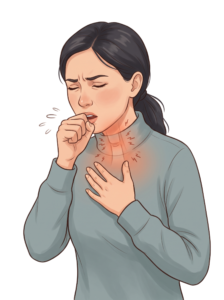
A tickle, itch, or dryness in the throat
Repeated coughing without bringing up phlegm
A sore throat or hoarse voice after frequent coughing
Coughing that becomes worse at night or when lying down
Discomfort triggered by dust, smoke, cold air, or strong fragrances
A dry cough can occur during or after a viral respiratory infection. It may also be associated with allergies, asthma, acid reflux, postnasal drip, smoking, or certain medicines. A cough that becomes worse at night is not automatically a sign of one particular illness; several conditions can cause this pattern.
What can help a dry cough?
Start with simple measures: drink enough fluids, avoid smoke and other irritants, and rest when you feel unwell. A warm drink may soothe an irritated throat. Honey may provide modest relief for some people, particularly during an ordinary upper respiratory infection, although it does not treat every cause of coughing.
Adults and children over one year of age may use honey if it is suitable for them. Never give honey to a child under 12 months, because of the risk of infant botulism.
If the cough is caused by asthma, allergies, acid reflux, or a medicine side effect, soothing the throat alone may not solve the problem. The underlying cause needs attention.
What Is a Wet or Productive Cough?
A wet cough, also called a productive or chesty cough, brings up mucus from the airways. This mucus is often called phlegm or sputum. It may feel as though something is moving in the chest, and you may notice rattling sounds or a sensation of congestion.
Mucus helps trap particles and supports the body’s natural airway-clearing process. Coughing helps move these secretions out. For that reason, a productive cough is not always something that should be completely suppressed.
Common symptoms of a wet cough
Coughing up mucus or phlegm
A congested or heavy feeling in the chest
A rattling sensation when breathing or coughing
A runny or blocked nose alongside the cough
Tiredness or throat irritation after repeated coughing
A wet cough may occur with a cold, bronchitis, or mucus draining from the nose and sinuses into the throat. Pneumonia and other lung conditions can also cause a productive cough. The cause cannot be identified reliably from mucus colour alone.
What can help a wet cough?
Drink water regularly, rest, and avoid smoking and second-hand smoke. Adequate fluids may help keep mucus from becoming too thick, making it easier to clear. A warm drink can be comforting, and a clean humidifier may help if the air is very dry.
Some medicines are designed to loosen mucus, while others reduce coughing. The right choice depends on your age, other symptoms, health conditions, and medicines. Ask a pharmacist or healthcare professional before using cough medicines, especially for children, during pregnancy, or if you have a long-term health condition.
Do not take antibiotics simply because you have phlegm. Many coughs are caused by viruses, against which antibiotics do not work. A clinician can determine whether an antibiotic or another treatment is appropriate.
Dry Cough vs Wet Cough: What Is the Difference?
| Feature | Dry cough | Wet cough |
|---|---|---|
| Mucus | Usually no mucus comes up | Mucus or phlegm comes up |
| Typical feeling | Tickling, scratchy, irritating throat | Chest congestion or mucus movement |
| Possible triggers | Viral infections, allergies, asthma, reflux, smoke | Viral infections, bronchitis, postnasal drip, some lung infections |
| Self-care | Fluids, avoiding irritants, soothing warm drinks | Fluids, rest, avoiding smoke, supporting mucus clearance |
| Important caution | Persistent coughing may signal an underlying condition | Breathing difficulty, chest pain, blood, or severe illness needs assessment |
These are general patterns, not diagnostic rules. A cough can change from dry to wet during an illness, and some conditions can cause either type.
Why Do Dry and Wet Coughs Happen?
1. Viral respiratory infections
Common colds, influenza, COVID-19, and other respiratory viruses can cause coughing. A cough may begin with throat irritation and later become productive, or it may remain dry for some time after other symptoms improve.
2. Allergies and environmental irritants
Dust, pollen, mould, air pollution, smoke, and strong fragrances can irritate the airways or trigger allergic symptoms. Nasal mucus may also drain down the back of the throat and provoke coughing.
If you notice a pattern around a particular place, season, pet, or product, consider reducing exposure where practical. Avoid assuming that every recurring cough is an infection.
3. Sinus problems and postnasal drip
When the nose or sinuses produce extra mucus, it can flow down the back of the throat. This is known as postnasal drip and may trigger repeated throat-clearing or coughing, particularly when lying down.
4. Acid reflux
Acid reflux occurs when stomach contents move back into the oesophagus. In some people, reflux is associated with throat irritation, hoarseness, or a persistent cough. Symptoms may be more noticeable after meals or when lying flat.
If reflux seems to be a trigger, try avoiding large meals close to bedtime and discuss recurring symptoms with a healthcare professional. Do not assume that all nighttime coughs are caused by acidity.
5. Bronchitis, pneumonia, and other respiratory conditions
Bronchitis can cause coughing with or without mucus. Pneumonia may cause cough, fever, chest discomfort, weakness, and breathlessness. Asthma can cause a dry cough, wheezing, or breathing difficulty, while chronic lung conditions may cause a long-lasting productive cough.
A new, severe, or persistent cough deserves attention, especially when it comes with other symptoms.
Benefits of Coughing: Why the Body Uses This Reflex
Although coughing can be uncomfortable, it serves a purpose. It is a protective reflex that helps clear mucus, dust, and other irritants from the airways. A productive cough can help move secretions out of the respiratory tract.
This does not mean that every cough is beneficial or that you should simply tolerate severe symptoms. Frequent coughing can disturb sleep, cause muscle soreness, irritate the throat, and affect daily activities. The goal is to understand what is causing it and manage it safely.
The same principle applies to phlegm: it is part of the body’s airway-clearing system, but excessive mucus or a persistent productive cough may indicate a condition that needs assessment.
Uses of Home-Care Measures: What May Offer Relief?
Home care can help you feel more comfortable while a mild cough improves. It should not be treated as a guaranteed cure.
Warm water and other fluids
Sip water throughout the day. Warm water, broth, or a warm non-caffeinated drink may feel soothing when the throat is irritated. Staying hydrated is particularly useful when you have a fever or are losing fluids.
Very hot drinks are not necessary and can burn the mouth or throat. Choose a comfortable temperature.
Honey and lemon
For adults and children over one year old, a small amount of honey in a warm drink may soothe coughing. Lemon can add flavour, but it is not essential and may aggravate reflux symptoms in some people.
Honey is a source of sugar, so people who need to monitor blood glucose or limit sugar intake should take that into account. It is a comfort measure, not a substitute for treatment when treatment is needed.
Ginger
Ginger is widely used in traditional food cultures, including Ayurveda, for its warming flavour and place in comforting drinks. Some people find ginger tea soothing, but strong evidence that ginger treats the underlying cause of an acute cough is limited.
Use it in ordinary culinary amounts if tolerated. Ginger may not suit everyone, and concentrated supplements can interact with medicines or cause side effects. Ask a healthcare professional before using supplements if you take regular medication, are pregnant, or have a relevant medical condition.
Rest and clean air
Sleep and rest support recovery when you are unwell. Keep indoor spaces free from smoke and reduce exposure to dust or strong scents if they trigger symptoms. A clean humidifier may help in dry conditions, but it must be maintained properly to prevent mould or microbial growth.
What about steam inhalation?
Avoid leaning over a bowl of boiling water. Steam can cause serious burns, especially in children, and there is no need to risk injury to relieve congestion. A comfortably warm shower may feel soothing for some people, but it is not a cure for an infection.
Nutrition During a Cough: What Should You Eat?
There is no single food that cures a dry or wet cough. A balanced diet can support general health while your body recovers.
Consider these practical choices:
Fluids: Water, soups, and other suitable drinks help maintain hydration.
Fruit and vegetables: A variety of produce provides vitamins, minerals, and fibre.
Protein foods: Beans, lentils, eggs, yoghurt, fish, tofu, or other suitable protein sources help meet everyday nutritional needs.
Whole grains: Oats, wholegrain bread, rice, and other grains can form part of balanced meals.
Comfortable foods: Choose soft, warm foods if your throat is sore, while avoiding anything that personally worsens irritation or reflux.
Vitamin C, zinc, and other nutrients are important for normal body function, but taking extra amounts does not guarantee that a cough will disappear faster. Supplements are not automatically better than food, and high doses may be harmful or interact with medication.
If you have a reduced appetite, try smaller meals and drink regularly. Seek medical advice if you cannot keep fluids down, show signs of dehydration, or feel increasingly weak.
How to Use Everyday Habits to Support Recovery
Rather than searching for one miracle remedy, build a simple routine around comfort and prevention.
In the morning: Drink water and notice whether your cough is dry or brings up mucus. If you have nasal symptoms, consider asking a pharmacist or clinician whether an appropriate saline nasal product may help.
During the day: Drink fluids, eat regular balanced meals, rest as needed, and avoid smoke or other known triggers. If you feel unwell with a respiratory infection, reduce close contact with others and follow local public-health guidance.
In the evening: Choose a warm drink if it soothes your throat. If reflux is a known trigger, avoid large meals just before bed and follow the treatment plan recommended by your healthcare professional.
Before using medication: Check the label and consider your age, existing conditions, pregnancy status, and other medicines. Cough and cold products are not all suitable for children, and combining products can accidentally duplicate ingredients.
If you have asthma or another chronic lung condition, follow your prescribed action plan rather than replacing your usual treatment with home remedies.
An Ayurvedic Perspective: Wellness as a Daily Practice
Ayurveda is a traditional system of health that places importance on daily routines, food, rest, seasonal awareness, and individual differences. Its emphasis on Ahara (food), Vihara (daily conduct and lifestyle), and balance can encourage people to pay attention to habits that influence their general wellbeing.
Traditional Ayurvedic practice often discusses respiratory discomfort in relation to concepts such as Vata and Kapha. These are concepts within the Ayurvedic framework; they should not be treated as direct equivalents of modern medical diagnoses such as bronchitis, asthma, or pneumonia.
Warm drinks, gentle routines, rest, and familiar culinary ingredients such as ginger may fit comfortably into everyday wellness practices when they are safe for the individual. However, traditional use alone does not prove that a remedy treats a respiratory infection or clears the lungs.
Herbal preparations can have side effects, vary in quality, or interact with medicines. If you choose an Ayurvedic product, consult a qualified practitioner and tell your healthcare professional about everything you take. Do not delay urgent assessment or stop prescribed medication.
At Vaarso Organic, we see the idea “Ayurveda is not just medicine; it is an art of living” as an invitation to practise awareness and balance—not as a reason to avoid necessary medical care.
When Should You Seek Medical Advice?
Many coughs improve on their own, but some symptoms need prompt attention.
Seek emergency medical help if you or someone in your care has severe difficulty breathing, blue or grey lips, confusion, or severe, persistent chest pain.
Arrange urgent medical assessment for coughing up blood, new or worsening breathlessness, chest pain, feeling very unwell, or a cough that improves and then becomes significantly worse. A person with a weakened immune system or a serious long-term condition may need advice earlier.
Speak with a healthcare professional if a cough lasts more than three weeks, keeps returning, interferes with sleep or everyday activities, or occurs with unexplained weight loss, persistent fever, or other concerning symptoms. Follow local guidance for infants and young children, who may need earlier assessment.
These signs do not all mean a serious illness is present, but they should not be ignored. The right treatment depends on the cause, which may require an examination or tests.
How to Reduce the Risk of Coughing
You cannot prevent every cough, but some habits can reduce exposure to common triggers and respiratory infections:
Wash your hands regularly and practise good respiratory hygiene.
Keep indoor air as clean as practical and avoid tobacco smoke.
Stay up to date with recommended vaccinations according to local guidance.
Reduce exposure to allergens or workplace irritants where possible.
Manage diagnosed asthma, reflux, allergies, or other underlying conditions with professional guidance.
When sick, rest and take reasonable steps to avoid spreading respiratory infections to others.
Conclusion: Recognise the Cough, Respect the Cause
The main difference between a dry cough and a wet cough is whether mucus comes up. A dry cough often feels tickly or irritating, while a wet cough brings up phlegm and may feel congested. Both can have several causes, and neither type alone identifies a particular disease.
Fluids, rest, avoiding irritants, and suitable soothing drinks may help with comfort. Nutrition and balanced daily habits support general wellbeing, while Ayurveda can offer a traditional perspective on routine and mindful living. But home care has limits: persistent, severe, or worrying symptoms deserve medical attention.
For a healthier approach, listen to your body, choose remedies thoughtfully, and seek professional advice when needed. Natural wellness works best when traditional wisdom, reliable information, and responsible healthcare work together.
Health disclaimer: This article is for general educational purposes and does not replace personalised medical advice, diagnosis, or treatment. Consult a qualified healthcare professional about persistent symptoms, medicines, or herbal products.