

Morning Herbal Tea Benefits: Why Starting Your Day With Herbal Tea Can Support Better Wellness
There is something comforting about beginning the day with a warm cup of herbal tea.
Before the phone starts ringing, emails arrive, or the day’s responsibilities take over, a simple cup of warm herbal tea can create a small pause. For many people, this morning ritual is not about following a complicated health trend. It is simply about starting the day with something warm, aromatic and gentle.
The idea of using herbs and spices in daily life is not new. Across Ayurveda and other traditional cultures, plants such as ginger, tulsi, cumin, fennel, cinnamon, cardamom and chamomile have been used in food, beverages and traditional wellness practices for generations. Modern research is also studying several of these herbs, although the strength of evidence varies considerably from one herb to another.
But there is an important distinction to make.
Morning herbal tea is not a magic detox drink, fat-burning formula or replacement for medical treatment. Its value is better understood as part of a healthy lifestyle—especially when it replaces sugary beverages, encourages hydration and gives you a mindful way to begin the morning.
At Vaarso Organic, we believe this is where traditional wisdom becomes practical: Ayurveda is not only about remedies; it is also about how we eat, drink, rest and live every day.
What Is Herbal Tea?
Unlike traditional tea made from Camellia sinensis—such as black, green, white or oolong tea—herbal teas are generally infusions made from other plants, flowers, roots, seeds, leaves, bark or spices.
Examples include: 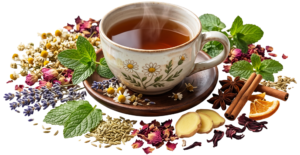
- Ginger tea
- Tulsi tea
- Lemongrass tea
- Chamomile tea
- Fennel tea
- Cumin water
- Ajwain water
- Cinnamon infusion
- Ginger and tulsi tea
- Coriander and fennel infusion
Because most herbal infusions do not naturally contain caffeine, they can be an alternative to morning coffee or caffeinated tea for people who prefer a gentler beverage.
However, not every herbal drink is suitable for every person. Herbs are biologically active, and some can interact with medicines or cause side effects. “Natural” does not automatically mean “safe for everyone.”
Why Drink Herbal Tea in the Morning?
The morning is often when people make their first food and beverage choices of the day.
A cup of herbal tea can become a simple bridge between waking up and starting the day’s routine.
From an Ayurvedic perspective, morning routines are traditionally associated with Dinacharya, or daily practices designed to support regularity, cleanliness, mindful eating and balanced living. Concepts such as Agni—the traditional idea of digestive fire—and Ahara, meaning food and nourishment, have an important place in Ayurvedic thought.
Modern nutrition does not measure “Agni” in the same way, so it is better understood as a traditional wellness concept rather than a medical measurement.
The practical lesson is still relevant: how you begin your day can influence the choices you make throughout it.
1. May Support a Comfortable Digestive Start
One of the most popular reasons people choose morning herbal tea is digestion.
Ginger, fennel, cumin and ajwain have long been used traditionally after meals or as warm infusions. Ginger, in particular, has been extensively studied for nausea and gastrointestinal discomfort, although much of the research involves supplements rather than an ordinary cup of tea.
A warm herbal infusion may also feel soothing simply because it is warm, light and easy to consume.
Try:
Ginger + Tulsi Tea
- 2–3 thin slices of fresh ginger
- A few fresh tulsi leaves, or a suitable amount of dried tulsi
- 1 cup hot water
- Optional: a small amount of lemon for taste
Steep for several minutes and drink warm.
If ginger causes heartburn or stomach irritation, reduce the quantity or choose another herb. Ginger can cause abdominal discomfort or heartburn in some people.
2. Helps You Start the Day With Hydration
After several hours of sleep, many people wake up ready for a drink.
Plain water remains an excellent choice, but some people find warm herbal infusions more enjoyable. When a beverage tastes pleasant, it can make a morning hydration routine easier to maintain.
This does not mean herbal tea “flushes toxins” from the body.
Your liver, kidneys, lungs, skin and gastrointestinal system already perform complex processes involved in waste removal and metabolism. A herbal tea should not be marketed as a liver cleanser or miracle detox.
Instead, think of it as a nourishing beverage that can be part of your daily hydration routine.
That distinction matters.
3. Can Be a Better Alternative to Sugary Morning Drinks
Consider what your morning beverage contains.
A heavily sweetened tea, flavored coffee, soft drink or packaged beverage can add considerable sugar to the diet.
A plain herbal infusion generally contains very little energy unless you add sugar, honey, milk or other ingredients.
Replacing a sugar-heavy drink with unsweetened herbal tea may therefore be a simple lifestyle change.
The benefit is not that the herb “burns fat.” Rather, the overall beverage choice may help reduce unnecessary added sugar.
This is one of the most realistic ways to think about morning herbal tea benefits.
4. Ginger May Offer Digestive Comfort
Ginger has a long history of use in traditional medicine and cooking across Asia and other parts of the world. Modern research has particularly examined ginger for nausea and vomiting.
A warm ginger infusion can therefore be a practical morning beverage for someone who enjoys its naturally spicy aroma.
But more is not necessarily better.
Concentrated ginger supplements are different from a mild homemade tea. People taking medicines should also consider possible herb-drug interactions and discuss regular herbal use with a healthcare professional when appropriate.
5. Fennel, Cumin and Ajwain Fit Traditional Digestive Practices
In Indian kitchens, fennel, cumin and ajwain are not simply “medicinal herbs.” They are everyday culinary ingredients.
That is an important part of traditional food culture.
A simple digestive-style infusion
You can prepare:
Cumin + Fennel Water
- ½ teaspoon cumin seeds
- ½ teaspoon fennel seeds
- 1½ cups water
Simmer gently for several minutes, strain and drink warm.
Another option is a lighter cumin + fennel + ajwain infusion, using smaller quantities of each.
There is no universally established medical dose for such homemade drinks. The goal is a mild food-style infusion rather than a concentrated herbal medicine.
6. May Create a Calm Morning Ritual
Health is not only about nutrients.
The way we begin our day can also affect how we experience it.
Preparing herbal tea, sitting quietly for five minutes and drinking it without scrolling through a phone can become a simple mindfulness practice.
Chamomile is a good example. It has traditionally been used for relaxation and sleep, and preliminary research has explored its possible role in anxiety. However, the clinical evidence remains inconclusive, particularly for insomnia.
So rather than saying:
“Chamomile tea cures stress.”
A more responsible statement is:
“Chamomile tea can be part of a calming evening or morning ritual for people who enjoy its flavor and aroma.”
That is both practical and honest.
7. Cinnamon Adds Aroma Without Needing Much Sugar
Cinnamon has been used in traditional cuisines and wellness practices across several cultures.
Its naturally sweet-smelling flavor can make an herbal infusion enjoyable without adding much sugar.
You can make:
Simple Cinnamon Infusion
- 1 small cinnamon stick
- 1 cup water
- Simmer gently for several minutes
- Strain and drink warm
However, cinnamon should not be presented as a proven treatment for diabetes, cholesterol or weight loss. Research on cinnamon supplementation and blood sugar has produced mixed findings, and the evidence is not strong enough to recommend cinnamon as a replacement for diabetes treatment.
For regular culinary use, moderation is sensible. Cassia cinnamon contains coumarin, which can be problematic in high amounts, particularly for people with liver concerns.
8. May Help You Build a More Mindful Morning Routine
Perhaps the biggest benefit is not inside the cup.
It is the routine around the cup.
Imagine this:
You wake up.
You drink some water.
You prepare a simple herbal infusion.
You sit near a window.
You take a few slow breaths.
You avoid checking your phone for a few minutes.
Then you begin your day.
That is very different from drinking a highly sweetened beverage while rushing through messages.
Ayurvedic traditions have long emphasized daily rhythm, mindful eating and appropriate lifestyle habits. These principles can be adapted to modern life without turning every traditional practice into a medical claim.
Does Morning Herbal Tea Boost Metabolism and Burn Fat?
This is one of the most common claims surrounding herbal tea.
A warm drink can certainly make you feel warm and refreshed, but that does not mean it significantly increases fat burning.
There is no reason to describe ordinary herbal tea as a fat-burning treatment.
If someone loses weight while drinking herbal tea, the more likely explanation may be the overall lifestyle surrounding it—for example:
- Drinking fewer sugary beverages
- Eating balanced meals
- Walking regularly
- Sleeping adequately
- Controlling portion sizes
- Maintaining a consistent routine
So enjoy your herbal tea, but don’t expect one cup to do the work of a healthy lifestyle.
Does Herbal Tea Detox the Body?
The word “detox” is widely used in wellness marketing.
But the human body already has sophisticated systems for processing and eliminating waste.
Therefore, it is more accurate to say:
Herbal tea can support healthy hydration and may provide plant compounds, aroma and digestive comfort depending on the ingredients.
It should not be described as a drink that removes accumulated toxins from the liver overnight.
This is especially important for Vaarso Organic because responsible natural wellness should be based on both traditional wisdom and honest communication.
What Is the Nutritional Value of Herbal Tea?
The nutritional value depends entirely on what is used.
Most simple herbal infusions are relatively low in calories, especially when consumed without sugar.
They may contain varying amounts of:
- Plant polyphenols
- Volatile aromatic compounds
- Small amounts of minerals
- Natural plant compounds
- Flavor compounds
- Antioxidant compounds
But the nutritional contribution of a cup of herbal tea should not be exaggerated.
A tea made from a few leaves or spices is not nutritionally equivalent to eating vegetables, fruits, nuts, seeds, legumes or a balanced meal.
Think of herbal tea as a supportive beverage—not a complete nutritional source.
Best Herbal Teas to Drink in the Morning
There is no single “best” herbal tea for everyone.
Your choice can depend on taste, digestion, caffeine preference, climate, routine and individual tolerance.
1. Ginger + Tulsi Tea
A warming, aromatic combination suitable for people who enjoy spicy herbal flavors.
2. Lemongrass Tea
Light, refreshing and naturally citrusy.
3. Fennel Tea
Mild and naturally sweet-tasting, traditionally enjoyed after meals and as an infusion.
4. Cumin Water
A simple traditional drink prepared from cumin seeds and water.
5. Cumin + Fennel + Ajwain Water
A stronger traditional digestive-style combination. Start with a mild preparation rather than making it highly concentrated.
6. Cinnamon Infusion
Warm, fragrant and naturally sweet-smelling.
7. Tulsi + Cinnamon + Clove
A warming combination that many people enjoy during colder weather.
8. Chamomile Tea
A gentle floral infusion that can be used as part of a relaxing routine, although evidence for specific medical benefits remains limited.
How to Use Herbal Tea in Your Morning Routine
There is no requirement to drink herbal tea immediately after opening your eyes.
A practical routine could look like this:
Step 1: Wake Naturally
Give yourself a few minutes rather than immediately reaching for your phone.
Step 2: Hydrate
Drink plain water if you feel thirsty.
Step 3: Choose Your Herbal Infusion
Select one simple herbal tea rather than mixing many herbs unnecessarily.
Step 4: Keep It Mild
A stronger tea is not automatically better.
Step 5: Drink Slowly
Treat the tea as a small mindful pause rather than something to finish quickly.
Step 6: Eat a Balanced Breakfast When Hungry
Herbal tea should not replace proper nutrition.
A healthy breakfast may include combinations of whole grains, fruit, vegetables, yogurt or other protein-rich foods, nuts, seeds or other foods suitable for your dietary pattern.
Should You Drink Herbal Tea on an Empty Stomach?
Not necessarily.
Some people enjoy herbal tea before breakfast, while others experience acidity, nausea or stomach discomfort when consuming certain herbs without food.
Ginger, for example, can cause heartburn or abdominal discomfort in some individuals.
If you have a sensitive stomach, start with a mild infusion and observe how your body responds.
There is no universal rule that herbal tea must be consumed on an empty stomach to provide benefits.
Who Should Be Careful With Herbal Tea?
Herbal tea is usually a food-style beverage when prepared mildly, but concentrated herbal products require greater caution.
Speak with a healthcare professional before regularly using medicinal-strength herbal preparations if you: 
- Are pregnant or breastfeeding
- Take prescription medicines
- Have liver or kidney disease
- Have diabetes
- Take blood-thinning medication
- Have significant allergies
- Are preparing for surgery
- Have a chronic medical condition
Herbs and medicines can interact, and the evidence about some combinations is limited.
Chamomile, for example, can cause allergic reactions in some people, especially those allergic to ragweed or related plants, and interactions with certain medicines have been reported.
Ayurveda and the Morning Cup
One of the beautiful ideas we can take from Ayurveda is that wellness does not always have to be complicated.
Dinacharya encourages attention to daily rhythm. 
Ahara reminds us that food is part of health.
Agni represents the traditional Ayurvedic understanding of digestive capacity.
Prakriti recognizes individual differences.
These ideas can be interpreted in a modern, practical way.
One person may enjoy ginger.
Another may prefer fennel.
Someone else may find chamomile more suitable.
There is no need to force one recipe on everyone.
This is also where the traditional phrase “Ayurveda is not only medicine; it is an art of living” becomes meaningful.
The real goal is not to find one magical morning drink.
It is to create a lifestyle in which nourishing food, adequate sleep, movement, hydration, relaxation and mindful habits become normal parts of everyday life.
Benefits, Uses, Nutrition & How to Use Herbal Tea — At a Glance
| Aspect | Practical Understanding |
|---|---|
| Benefits | Hydration, warmth, enjoyable morning ritual and possible digestive or calming comfort depending on the herb |
| Uses | Morning beverage, caffeine-free alternative, mindful routine and culinary herbal infusion |
| Nutrition | Generally low-calorie when unsweetened; contains plant compounds depending on ingredients |
| How to Use | Prepare a mild infusion, drink warm and avoid excessive sugar |
| Best Approach | Choose one or two herbs according to taste and individual tolerance |
| What to Avoid | Miracle detox, fat-burning or disease-cure claims |
Final Thoughts: Let Your Morning Begin Naturally
A healthy morning does not need to begin with an expensive supplement, complicated detox program or fashionable wellness challenge.
Sometimes, it can begin with something much simpler.
A cup of warm herbal tea.
Ginger and tulsi.
Fennel and cumin.
Lemongrass.
Cinnamon.
Chamomile.
Choose what suits you, prepare it simply and enjoy it mindfully.
The real value of morning herbal tea comes when it becomes part of a larger lifestyle—balanced food, movement, adequate sleep, hydration and time to slow down.
Traditional Ayurvedic wisdom gives us many ideas for creating such routines, while modern research reminds us to remain realistic about what herbs can and cannot do. Some herbs have promising evidence for particular uses, while others remain supported mainly by traditional experience.
At Vaarso Organic, this balance between traditional wisdom and responsible modern wellness is at the heart of our philosophy.
Better mornings do not require perfection. They require consistency.
And sometimes, a warm cup of herbal tea can be a beautiful place to begin.
Frequently Asked Questions (FAQs)
1. What are the benefits of drinking herbal tea in the morning?
Morning herbal tea can provide hydration, warmth and a pleasant caffeine-free beverage option. Depending on the ingredients, it may also provide digestive comfort or help create a calming morning ritual.
2. Is herbal tea good on an empty stomach?
Some people tolerate it well, while others may experience acidity or stomach discomfort. There is no universal requirement to drink herbal tea on an empty stomach.
3. Which herbal tea is best in the morning?
There is no single best option. Ginger-tulsi, fennel, cumin, lemongrass, cinnamon and other mild herbal infusions can all be enjoyed according to personal taste and tolerance.
4. Does herbal tea burn belly fat?
No single herbal tea should be considered a belly-fat-burning treatment. Weight management depends on overall dietary intake, physical activity, sleep and other lifestyle factors.
5. Does herbal tea detox the liver?
Herbal tea should not be described as a liver detox or cleanser. The liver and other organs naturally perform waste-processing functions. Herbal tea can simply be part of a healthy beverage routine.
6. Can ginger tea help digestion?
Ginger has traditionally been used for digestive discomfort, and research has particularly examined its potential role in nausea. However, ginger can cause heartburn or abdominal discomfort in some people.
7. Can cinnamon tea control blood sugar?
Research on cinnamon and blood sugar has produced mixed results. Cinnamon should not replace prescribed diabetes medication or medical care.
8. Is chamomile tea good for stress?
Chamomile is traditionally associated with relaxation. Some preliminary research suggests possible benefits for anxiety, but the evidence is not conclusive.
9. Can herbal tea replace breakfast?
No. Herbal tea is a beverage, not a nutritionally complete meal. If your body needs food in the morning, choose a balanced breakfast appropriate for your dietary needs.
10. Can I drink herbal tea every day?
Many mild food-style herbal teas can be incorporated into a routine, but suitability depends on the herb and the individual. Concentrated herbal supplements require more caution.
11. Is herbal tea healthier than coffee?
That depends on the person and the beverage. Many herbal teas are naturally caffeine-free, which can be useful for people who want to reduce caffeine. Coffee can also fit into a healthy diet for many people.
12. Can I mix many herbs together?
You can, but more herbs do not automatically mean more benefits. Keeping combinations simple makes it easier to understand what agrees with your body and reduces unnecessary exposure to multiple active ingredients.
13. Can people with diabetes drink herbal tea?
Unsweetened herbal tea can be a low-calorie beverage choice, but people with diabetes should be cautious about medicinal herbal products and possible interactions with medicines. Cinnamon and other supplements should not be used as substitutes for diabetes treatment.
14. Is herbal tea suitable for everyone?
No. Pregnancy, breastfeeding, allergies, chronic diseases and medications can change what is appropriate. Check with a healthcare professional when you are unsure.
15. What is the Ayurvedic view of morning herbal tea?
Ayurveda emphasizes daily routine, appropriate food, digestion and individual constitution. Different herbs may traditionally be selected according to the person and context rather than using one beverage as a universal remedy.